By
By 
NCC, REA Partner to Power Telecom Infrastructure with Renewable Energy, Accelerate Rural Connectivity
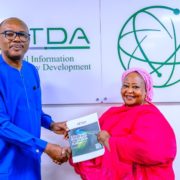
In a landmark move to bridge Nigeria’s digital and energy access gaps simultaneously, the Nigerian Communications Commission (NCC) and the Rural Electrification Agency (REA) have signed a strategic Memorandum of Understanding (MoU) to power telecommunications infrastructure using renewable energy across the country.
RELATED: Nigeria’s rural Internet access stalls at 23%, alarming regulators
The partnership is expected to reduce operators’ dependence on diesel-powered base stations, lower operating costs, expand broadband coverage to underserved communities, and accelerate Nigeria’s transition towards a greener and more resilient digital economy.
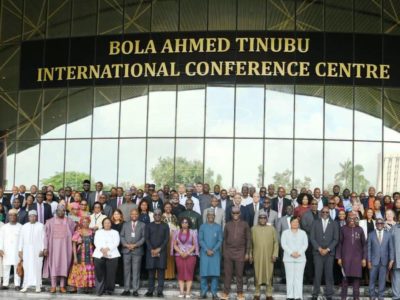
The agreement was signed during the NCC-REA Stakeholder Forum held in Abuja, marking one of the country’s most significant cross-sector collaborations between the telecommunications and energy industries.


A New Model for Digital and Energy Infrastructure
Under the agreement, telecommunications base stations located within the reach of existing and planned renewable mini-grids will be connected to reliable clean energy instead of relying on costly diesel generators.
The collaboration will also enable both agencies to jointly plan future infrastructure deployment by integrating their geospatial data, ensuring that communities lacking electricity and broadband are served through coordinated investments rather than isolated projects.
The initiative aligns with Nigeria’s broader digital transformation agenda by recognising that affordable electricity and reliable internet connectivity are mutually dependent pillars of national development.
NCC: Broadband and Electricity Must Grow Together
Speaking at the signing ceremony, the Executive Vice Chairman of the NCC, Dr. Aminu Maida, represented by the Executive Commissioner, Technical Services, Abraham Oshadami, said broadband expansion cannot succeed without reliable electricity.
According to him, millions of Nigerians remain excluded from digital opportunities because the same communities without broadband infrastructure are also without stable electricity.
“Many of the communities still waiting for broadband access are the same communities still waiting for stable power. Solving both challenges together is more efficient, sustainable and affordable than addressing them separately,” he said.
Maida noted that the partnership represents a major shift in how telecommunications infrastructure will be deployed in Nigeria, with collaboration replacing isolated institutional planning.
Shared Data to Accelerate Rural Connectivity
One of the key outcomes of the partnership is the creation of an integrated national planning framework.

Under the arrangement:
- REA will provide geospatial information on existing, newly completed and planned electrification projects.
- NCC will share data relating to existing telecommunications infrastructure and future Universal Service Provision Fund (USPF) broadband projects.
- Both agencies will jointly identify communities where electricity and connectivity can be deployed simultaneously.
According to Maida, working from a unified national infrastructure map will eliminate duplication, reduce deployment costs and improve project efficiency.
The agencies will also explore opportunities for co-locating telecom infrastructure on renewable energy facilities while enabling telecom towers and fibre repeater stations to draw affordable electricity from REA mini-grid projects.
Diesel Costs Hindering Broadband Expansion
The Executive Director, Technical Services at REA, Umar Abdullahi, said Nigeria’s broadband expansion has been significantly constrained by rising diesel prices.
According to him, telecommunications infrastructure requires uninterrupted electricity, and in many parts of the country, diesel generators remain the only available power source.
He explained that the increasing cost of diesel has made extending mobile coverage into rural communities commercially unattractive for operators.
“Nigeria’s digital economy rests on a physical foundation, and that foundation is power,” Abdullahi said.
He noted that renewable mini-grids now offer a cleaner, cheaper and more predictable alternative capable of transforming telecom infrastructure economics.
Telecom Towers Become Anchor Customers for Mini-Grids
REA described telecommunications towers as ideal “anchor loads” capable of improving the commercial viability of renewable energy projects.
Unlike many consumers whose electricity demand fluctuates, telecom sites require stable power around the clock, making them dependable customers for renewable mini-grid operators.
According to Abdullahi, combining telecom infrastructure with renewable energy projects creates mutual value.
“A telecommunications tower is a near-perfect anchor load—steady, twenty-four hours a day, creditworthy and contractually reliable. A mini-grid is a cheaper, cleaner and more predictable source of power than diesel generators.”
This model is expected to stimulate greater private investment in off-grid renewable energy while supporting nationwide telecommunications expansion.
Priority Sites Already Identified
Technical teams from both agencies have already completed detailed infrastructure mapping and proximity analysis.
Using telecom tower locations alongside REA’s renewable mini-grid database, officials have identified priority locations where existing or planned renewable energy projects can immediately support telecommunications infrastructure.
According to Abdullahi, several diesel-powered telecom sites have already been selected for migration to renewable energy.
He added that the collaboration has moved beyond planning into implementation.
“There are towers currently relying on diesel that we are moving to renewable mini-grids. This will lower operating costs while expanding network coverage for Nigerians.”
Digital Dashboard to Track Implementation
To ensure transparency and effective execution, both agencies have developed a digital monitoring dashboard that will oversee implementation nationwide.
Special Adviser (Technical) to the NCC Executive Vice Chairman, Dr. Umar Sani-Abdullahi, disclosed that infrastructure assessments, field inspections and implementation planning have already been completed.
The dashboard will enable both agencies to monitor deployment progress, evaluate project performance and coordinate future investments.
Immediate Benefits for Rural Communities
Officials said communities located close to existing renewable mini-grids and telecom base stations are expected to benefit almost immediately.
According to Oshadami, future broadband rollout projects will also be designed jointly with electrification programmes, reducing deployment costs while improving service quality.
He explained that communities previously excluded from broadband due to unreliable electricity would now receive both services through integrated infrastructure planning.
Why the Partnership Matters
Industry analysts say the NCC-REA collaboration could fundamentally reshape Nigeria’s digital infrastructure landscape.
For Telecommunications Operators
- Lower dependence on expensive diesel generators.
- Reduced operating expenditure (OPEX).
- Improved network reliability.
- Faster expansion into commercially underserved communities.
For Rural Communities
- Improved mobile network coverage.
- Faster broadband access.
- Increased access to digital services including education, healthcare and financial inclusion.
- Better opportunities for local businesses and entrepreneurs.
For Renewable Energy Developers
- Stable anchor customers that improve mini-grid profitability.
- Increased investment attractiveness.
- Faster expansion of rural renewable energy infrastructure.
For Government
- Coordinated infrastructure planning.
- Better utilisation of public investments.
- Accelerated progress toward Nigeria’s broadband penetration targets.
- Stronger implementation of national digital economy and energy transition strategies.
For Nigeria’s Economy
The partnership supports multiple national priorities, including digital inclusion, renewable energy adoption, rural development, climate resilience, and economic diversification.
By integrating broadband expansion with clean energy deployment, Nigeria stands to reduce infrastructure costs. It will at the same time unlock new opportunities for innovation, investment, job creation and inclusive economic growth.
Towards a Sustainable Digital Future
The NCC-REA agreement represents a significant evolution in infrastructure planning by recognising that universal connectivity cannot be achieved without reliable and affordable electricity.
Nigeria continues to pursue nationwide broadband penetration, renewable energy adoption, and comprehensive digital transformation. Within this evolving landscape, the partnership presents a scalable model for integrating critical infrastructure. This model is designed to bridge systems across multiple sectors, fostering synergy and accelerating national development goals.
If successfully implemented, it could significantly lower the cost of network expansion, and improve rural connectivity. Ultimately, it will strengthen the country’s position as one of Africa’s leading digital economies.