By
By 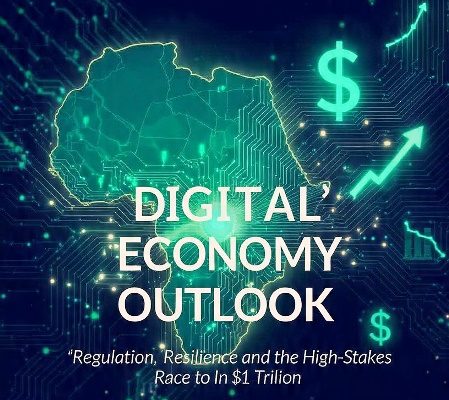
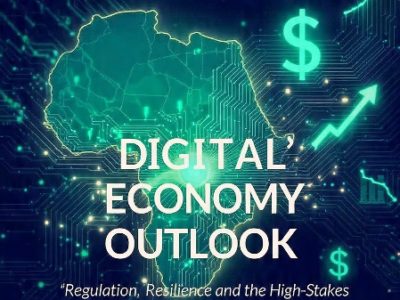
Nigeria’s digital economy has crossed a decisive threshold. By Q2 2026, digital activities account for nearly 20% of GDP, with revenues projected to exceed $18.3 billion this year—almost double their 2021 size. Telecoms, fintech, data platforms, and digital services are now central to growth, investment, and job creation.
But scale changes everything. As the sector matures, a hard truth is clear: innovation without structure is no longer enough. Nigeria’s digital economy has outgrown the fragmented policies and overlapping mandates that guided its early rise. What it now needs is a coherent legislative backbone equal to its economic weight.
A System Strained by Fragmentation
Key regulators are active—but disconnected. NITDA is shaping AI and cloud policy. NDPC is enforcing data protection. NCC is resetting telecom regulation. FCCPC is policing digital markets. Each mandate is valid. Together, they create regulatory friction, uncertainty, and rising compliance costs for startups and investors navigating multiple, sometimes conflicting rules.


This is not coordination. It is congestion.
Why a Digital Economy Act Matters
Nigeria does not need more agencies—it needs alignment. A comprehensive Digital Economy Act would harmonise mandates, reduce duplication, and provide a single statutory framework for the sector. Critically, it would:
- Anchor AI, data governance, competition, and telecoms within one national digital framework
- Simplify compliance for businesses and investors
- Codify digital rights, consumer protection, and platform accountability
- Provide legal backing for critical digital infrastructure protection
Clear rules do not stifle innovation—they unlock scale.
A Narrow Window for Reform
The NCC’s review of the 2000 National Telecommunications Policy is a rare opportunity. That policy predates smartphones, fintech, and platform economies. Its successor must go beyond telecoms and recognise connectivity as the foundation of a broader digital economy.
The proposed National Digital Economy and E-Governance Bill is a step forward. But only if backed by political will and disciplined implementation. Laws without enforcement are symbolism, not strategy.
The Stakes Are Structural
Nigeria’s $1 trillion economy ambition will not be achieved by energy and talent alone. Digital could deliver up to 25% of GDP within five years, but only with regulatory clarity, investor confidence, and institutional trust.
In a data-driven economy, trust is capital.

The Bottom Line
Nigeria’s digital economy has proven its potential. What it lacks is a legal architecture that matches its ambition. The race to $1 trillion will not be won by innovation alone. But by the quality of the laws and institutions that allow innovation to scale, safely and sustainably.
- IT Edge News.Africa will continue to track this journey, interrogate policy, and amplify the voices shaping Nigeria’s digital future.