By
By 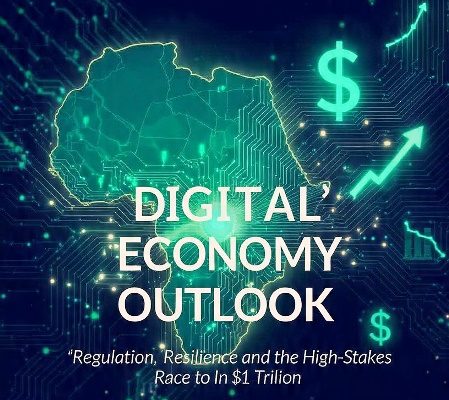
IT Edge News.Africa Report — Nigeria’s Digital Economy Outlook: Q2 2026 Snapshot
Overview: From Rapid Growth to Regulated Maturity
Nigeria’s digital economy has entered a decisive phase in Q2 2026—shifting from rapid expansion to structured consolidation. According to sector estimates aligned with National Bureau of Statistics (NBS) indicators, digital activities now account for approximately 20% of national GDP, underpinned by telecommunications, fintech, digital services, and data-driven platforms. Revenue projections place the sector on track to generate over $18.3 billion by the end of 2026, nearly doubling its estimated size in 2021.
This acceleration is now being shaped less by unchecked innovation and more by regulatory direction, infrastructure resilience, cybersecurity enforcement, and data protection accountability—marking a transition into a more complex, sophisticated, and policy-driven digital economy.


A New Order in Banking
Nigeria’s financial sector is undergoing a structural reset in 2026, driven by aggressive recapitalisation and far-reaching CBN reforms. Tier-1 banks may still lead in assets, but Tier-2 and digital-first institutions are rapidly emerging as the new champions of profitability, innovation, and investor returns.
Q2 2026 Defining Forces: Regulation Meets Scale
Three forces define Nigeria’s digital economy outlook in Q2 2026:
Regulatory Tightening Across Digital Markets
Regulators are asserting firmer oversight as digital platforms deepen their economic and social footprint.
- National Information Technology Development Agency (NITDA) is advancing its Strategic Roadmap and Action Plan (SRAP 2.0), positioning itself to guide AI governance, cloud sovereignty, and digital public infrastructure.
- Nigeria Data Protection Commission (NDPC) is intensifying enforcement of the Nigeria Data Protection Act (NDPA) 2023, moving organisations from voluntary compliance to strict accountability.
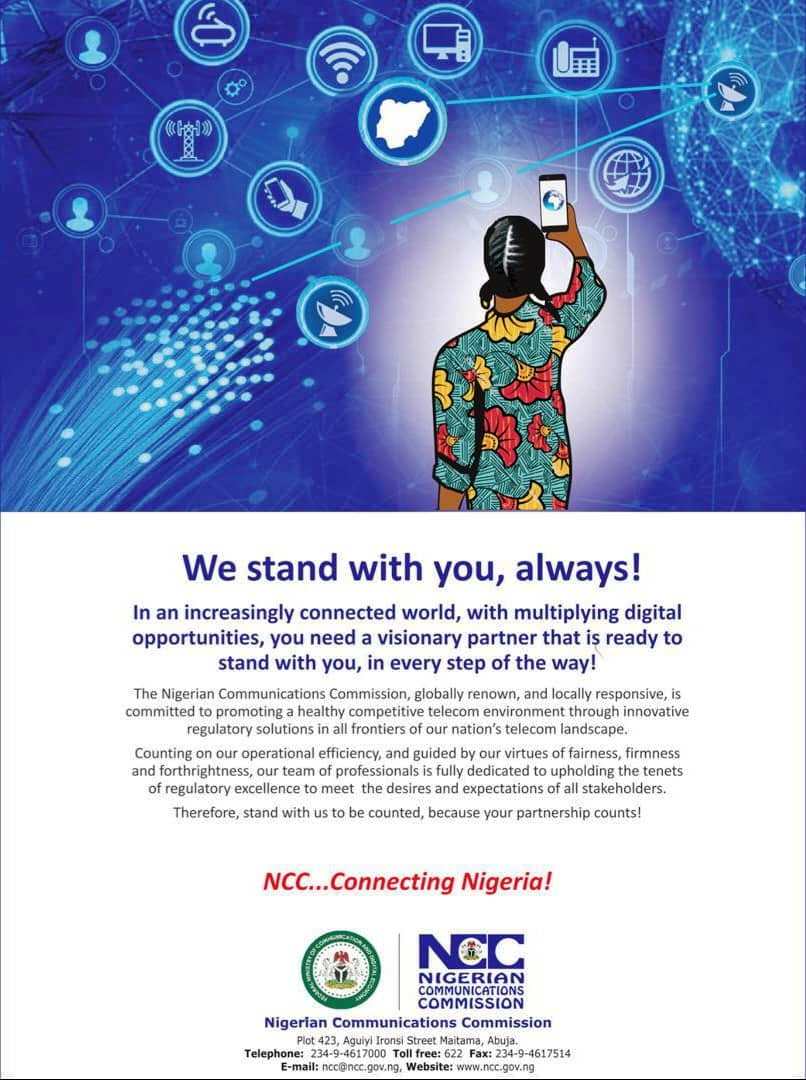
- Nigerian Communications Commission (NCC) is executing the most comprehensive telecom policy overhaul since 2000, responding to network quality, infrastructure sabotage, and rising consumer complaints.
Together, these regulators are shaping a governance-first digital economy, where trust, safety, and compliance are becoming investment prerequisites.
Core Digital Economy Pillars Driving Growth
Nigeria’s digital economy remains anchored on several high-impact sectors:
Telecommunications: The Digital Backbone
Telecoms continue to provide the foundational infrastructure for digital growth, with sector output estimated at ₦8 trillion annually. Rising data consumption, 5G rollout, satellite broadband initiatives, and fibre expansion are increasing pressure on regulators to protect infrastructure and enforce quality-of-service standards.
In Q2 2026:

- The NCC mandated compensation for over 75 million subscribers affected by poor network quality.
- Operators were directed to simplify tariff structures for transparency.
- Renewed calls intensified for telecom networks to be designated Critical National Infrastructure.
Fintech and Digital Payments: Scale Meets Scrutiny
Nigeria remains Africa’s leading fintech hub, with digital payments, agency banking, and mobile money driving financial inclusion.
However, regulatory attention has expanded to previously under-regulated segments, including:
- Airtime credit and data advance services, now estimated between ₦300 billion and ₦400 billion annually, with some projections stretching higher.
- Approximately 40 million Nigerians rely on these micro-credit services, elevating them from fringe products to systemic digital infrastructure.
Q2 2026 saw:
- Regulatory intervention by the FCCPC under DEON lending rules.
- Temporary service suspensions by telecom operators.
- A federal move to localise the market, licensing indigenous fintechs and reducing capital flight.
- Industry calls for the NCC to assume clearer jurisdictional leadership to avoid regulatory overlap.
Data Protection, Cybersecurity and Trust Deficit
As data becomes the currency of Nigeria’s digital economy, privacy breaches, cyber threats, and weak governance frameworks are emerging as material risks.
NDPC’s Expanding Role
The NDPC is repositioning Nigeria from awareness to enforcement:
- Training and certifying over 4,000 Data Protection Officers (DPOs) in collaboration with NIMC.
- Rolling out Technical and Organisational Measures (TOMs) audits across MDAs.
- Leading continental discussions on data sovereignty and cross-border data governance.
Compliance failures now carry penalties of up to ₦10 million or 2% of annual gross revenue, reinforcing accountability across sectors from fintech to healthcare.
NITDA and the Push for a Digital Economy Act
As digital activities cut across finance, telecoms, healthcare, AI, and e-government, pressure is mounting for a comprehensive Digital Economy Act to harmonise Nigeria’s fragmented regulatory landscape.
The proposed National Digital Economy and E-Governance Bill—expected to advance further—would:
- Empower NITDA with AI risk classification authority.
- Mandate algorithmic transparency and auditability.
- Establish clearer coordination across regulators to reduce compliance bottlenecks for startups and investors.
NCC’s Policy Reset and Infrastructure Protection Mandate
In Q2 2026, the NCC intensified efforts to modernise Nigeria’s telecom governance:
- Reviewing the 2000 National Telecommunications Policy to align with digital economy realities.
- Implementing the Spectrum Roadmap (2026–2030) to lower connectivity costs and boost broadband penetration.
- Addressing fibre vandalism, access denial, and infrastructure sabotage that threaten service reliability.
With over 23 million Nigerians still underserved, digital inclusion remains both an economic and political imperative.
Outlook: Regulation as the New Growth Currency
Nigeria’s digital economy is no longer driven by innovation alone. Regulatory clarity, infrastructure security, data protection, and consumer trust are now central to sustaining growth and attracting long-term investment.
As Nigeria targets a $1 trillion GDP economy, the digital sector’s role as a stabilising pillar has never been more pronounced. The challenge for Q2 2026 and beyond is clear: align innovation with regulation, scale with safety, and growth with accountability.
Olusegun Oruame – Editor Lead @ IT Edge News.Africa