By
By 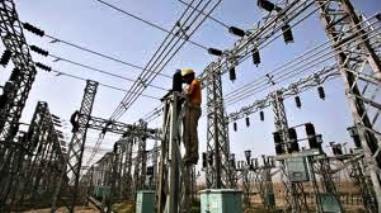
Nigeria’s push toward smart manufacturing and Industry 4.0 is facing a major setback due to the country’s persistent electricity challenges, with experts warning that inconsistent power supply is undermining automation, efficiency, and competitiveness in the industrial sector.
RELATED: Lagos State Electricity Law 2024: A game-changer for ICT and industrial growth
Modern manufacturing systems depend on uninterrupted, high-quality electricity to power automation, sensors, robotics, and real-time data platforms. However, Nigeria’s unstable grid continues to fall short of these requirements, slowing the adoption of advanced industrial technologies.
Power Instability Raises Cost of Smart Manufacturing
Industry experts note that frequent power outages force manufacturers to rely heavily on diesel generators and other alternative energy sources, significantly driving up production costs. In some cases, energy accounts for as much as 40 percent of total operating expenses.


Speaking in Abuja, renewable energy engineer Orebiyi Godfrey explained that the high cost of self-generated power erodes the efficiency gains and return on investment expected from smart manufacturing systems.
“Smart factories are built around automation and real-time data, all of which require stable electricity. Without that foundation, the benefits of Industry 4.0 cannot be fully realised,” he said.
How Poor Power Supply Disrupts Industry 4.0
Experts identify several ways unreliable electricity is hindering smart manufacturing adoption in Nigeria:
- Disruption of Sensitive Technologies: Automated machinery, sensors, and data systems require continuous power. Frequent outages result in equipment faults, production errors, and data loss.
- Rising Operational Expenditure (OPEX): Generator-powered electricity can cost three to four times more than grid supply, diverting funds away from technology investment.
- Limited Scalability for SMEs: Small and medium enterprises struggle to scale operations as captive power generation becomes prohibitively expensive, trapping firms at low production levels.
- Higher Cost of Local Production: Manufacturers factor generator costs into pricing, making locally produced goods less competitive compared to imports from countries with reliable power supply.
Structural Challenges Persist (2024–2026)
Nigeria’s energy challenges remain structural and long-term:
- Grid Instability: The national grid recorded multiple collapses in 2024 and early 2025, disrupting industrial operations nationwide.
- Limits of Renewable Power: Solar energy, while promising, cannot yet support 24/7 fully automated factories without extensive storage systems.
- High Capital Requirements: The cost of importing advanced machinery, combined with forex volatility, further restricts Industry 4.0 adoption.
Hybrid Energy Models Emerge as Practical Solution
Godfrey identified solar energy as a viable support option for industrial operations, particularly during daytime production cycles. However, he cautioned that solar alone cannot meet the continuous energy needs of smart factories.
To address this gap, experts recommend hybrid energy systems that combine grid electricity, solar power, battery storage, and backup generators. While more reliable, these systems require significant capital investment and technical expertise, often beyond the reach of smaller manufacturers.
Policy Support Needed to Unlock Smart Manufacturing
Experts stress that targeted government intervention is essential to accelerate adoption of smart manufacturing technologies. Recommended measures include:
- Tax incentives for energy-efficient industrial equipment
- Affordable financing for clean and hybrid energy solutions
- Public-private partnerships to support industrial power infrastructure
- Incentives for energy-efficient machinery capable of reducing consumption by 20–30 percent
While smart manufacturing can improve efficiency and reduce defects by up to 50 percent, experts agree that Nigeria’s energy infrastructure must be strengthened to unlock these gains at scale.

Outlook: Power Infrastructure as the Missing Link
As Nigeria seeks to modernise its industrial base, reliable electricity remains the critical enabler. Without significant improvements in power infrastructure and energy policy support, experts warn that the country risks falling behind in the global shift toward smart manufacturing and digital industrialisation.