 By
By 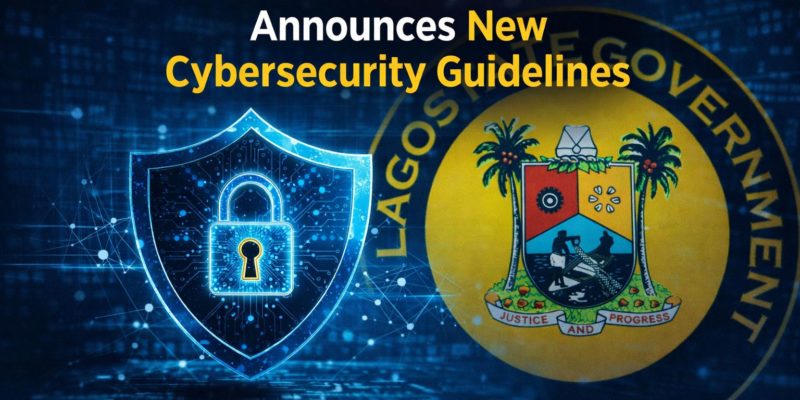
By Nana Theresa Timothy
The Lagos State Government has announced a comprehensive set of cybersecurity guidelines aimed at strengthening digital safety across businesses, public institutions, and residents. The announcement, shared via the government’s official X page, marks a significant move to address rising cyber threats in one of Africa’s fastest-growing technology hubs.


As Lagos continues to position itself as a smart and globally competitive city, the new framework reflects a growing recognition that digital growth must go hand in hand with strong cybersecurity systems.
Why the Guidelines Matter Now
The release comes at a critical time. With rapid digital transformation across Nigeria, cyber threats have become more frequent and sophisticated.
According to estimates by the National Information Technology Development Agency (NITDA), Nigeria loses more than $500 million annually to cybercrime. This staggering figure highlights the urgent need for coordinated action, especially in Lagos, which hosts thousands of startups, enterprises, and digital platforms.
As Africa’s leading tech ecosystem, Lagos faces unique risks. Increased reliance on digital infrastructure, cloud systems, and online transactions has expanded the attack surface for cybercriminals. The newly released guidelines aim to address these risks head-on.
A Practical Framework for All Stakeholders
Unlike rigid regulatory policies, the Lagos cybersecurity guidelines are designed as a practical and flexible framework.
They provide clear, scalable recommendations tailored to:
- Small businesses
- Medium and large enterprises
- Ministries, Departments, and Agencies (MDAs)
The document outlines actionable steps that organisations can adopt to strengthen their security posture without requiring highly complex or expensive systems.
Importantly, the guidelines are not mandatory regulations. Instead, they serve as tools to empower organisations with the knowledge and structure needed to protect their digital assets.
Aligned with National Cybersecurity Policies
To ensure consistency and effectiveness, the guidelines align with key national frameworks, including:
- The Cybercrime Act (2024)
- The Nigeria Data Protection Act (2023)
- The National Cybersecurity Policy and Strategy (2021)
This alignment ensures that organisations adopting the guidelines remain compliant with broader national cybersecurity objectives while strengthening their internal systems.
Building a SMART and Secure Lagos
The Lagos State Government emphasised that its vision of becoming a SMART city goes beyond digital innovation. It also requires a secure environment where businesses and citizens can operate with confidence.
As digital services expand ranging from financial transactions to government platforms the risks associated with cyberattacks also increase.
The guidelines acknowledge this reality, noting that technological advancement often brings new vulnerabilities. Without proper safeguards, these vulnerabilities can undermine economic growth, disrupt services, and erode public trust.
By introducing this framework, Lagos aims to strike a balance between innovation and security.
Driving Trust, Investment, and Growth
Cybersecurity is no longer just a technical issue it is a key factor in economic development.
A secure digital environment encourages:
- Investor confidence
- Business growth
- Innovation across sectors
The Lagos State Government reiterated its commitment to creating a digital ecosystem where organisations, from startups to multinational corporations can operate safely.
Officials noted that strengthening cybersecurity will help Lagos maintain its reputation as a leading destination for technology investment in Africa.
Experts Behind the Framework
The development of the guidelines involved key stakeholders and industry experts.
The government acknowledged the role of the Lagos State Cybersecurity Advisory Council, led by Fene Osakwe, whose technical expertise helped shape the framework.
Recognition was also given to the Honourable Commissioner for the Ministry of Innovation, Science and Technology, Tubosun Alake, whose leadership and support were instrumental in driving the initiative.
Their combined efforts reflect a collaborative approach that blends policy, technical knowledge, and real-world application.
A Response to Growing Cyber Threats
The guidelines arrive amid increasing concerns about cyberattacks targeting both public and private systems in Nigeria.
Recent incidents involving financial institutions and government platforms have exposed vulnerabilities in digital infrastructure. These breaches have highlighted the need for stronger preventive measures rather than reactive responses.
By providing clear guidance, Lagos aims to shift the focus from damage control to proactive security.
What the Guidelines Emphasise
While the full document is available online, the core focus includes:
- Strengthening data protection practices
- Improving system security and monitoring
- Encouraging regular updates and risk assessments
- Promoting cybersecurity awareness among staff and users
- Enhancing collaboration between public and private sectors
The emphasis is on building a culture of cybersecurity, where protection becomes a shared responsibility rather than a specialised function.
A Living Document for a Changing Landscape
Cyber threats continue to evolve, and the Lagos State Government acknowledges that no single framework can remain static.
Officials confirmed that the guidelines will be continuously updated to address emerging risks and new technologies. This ensures that the framework remains relevant in a rapidly changing digital landscape.
The government also highlighted the importance of ongoing collaboration between stakeholders to strengthen the state’s cybersecurity resilience.
Positioning Lagos as a Global Digital Leader
Lagos has long been recognised as a major driver of innovation in Africa. With a thriving startup ecosystem and increasing global attention, the city plays a central role in shaping the continent’s digital future. However, maintaining this position requires more than innovation, it requires trust.
By prioritising cybersecurity, Lagos is sending a clear message: digital growth must be secure, sustainable, and resilient.
A Necessary Step Forward
The release of the cybersecurity guidelines marks a significant milestone in Lagos’ digital transformation journey.
It reflects a broader shift in thinking, from viewing cybersecurity as an afterthought to recognising it as a foundational pillar of development. For businesses, the message is clear: protecting digital assets is no longer optional. For government, the responsibility is even greater: to build systems that citizens and investors can trust.
As Lagos continues to evolve into a smart city, one thing is certain, its success will depend not just on how fast it grows, but on how well it protects that growth.