 By
By 
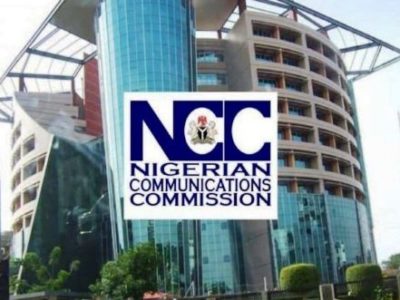
The House of Representatives has approved a total budget of ₦479.5 billion for the Nigerian Communications Commission (NCC) for the 2026 financial year. The approval marks a significant step in Nigeria’s ongoing efforts to strengthen its telecommunications sector, expand digital infrastructure, and improve regulatory oversight of the country’s fast-growing communications industry.
RELATED: NCC, CBN sign MoU to strengthen consumer protection and combat digital fraud
The budget was approved during plenary on Tuesday after lawmakers considered and adopted the report of the House Committee on Communications. The report provided a detailed breakdown of the NCC’s projected revenue and planned expenditure for the financial year ending 31 December 2026.


This development highlights the federal government’s continued focus on leveraging the telecommunications sector as a major driver of economic growth, digital inclusion, and national development.
Legislative Approval and Budget Overview
The approval followed the presentation of the report by the Chairman of the House Committee on Communications, Peter Akpatason, who outlined the NCC’s financial projections and spending plans.
According to the report, the total approved expenditure stands at ₦479,508,260,000, sourced entirely from the commission’s internally generated revenue. These revenues come from key regulatory streams such as:
- Licensing fees
- Spectrum fees
- Annual operating levies
- Other telecommunications regulatory charges
This structure reinforces the NCC’s self-funded operational model, where the commission largely sustains its activities through industry-generated income rather than direct federal allocations.
NCC 2026 Revenue Projections
The NCC’s projected revenue base of ₦479.51 billion is expected to come from several major income streams within the telecommunications ecosystem.
A significant portion will be derived from:
- ₦250 billion from annual operating levies imposed on telecom operators
- ₦192.89 billion from spectrum fees paid for the use of radio frequencies
Other expected revenue sources include:

- ₦13.96 billion from type-approval fees for telecom equipment
- ₦11.42 billion from numbering plan charges
- ₦8.99 billion from administrative charges
- ₦1.49 billion from licensing fees
- ₦750 million from sundry income
These figures reflect the continued expansion of Nigeria’s telecom sector, driven by mobile connectivity, broadband services, fintech integration, and increasing data consumption across the country.
Breakdown of Recurrent Expenditure
Out of the total approved budget, ₦124.44 billion has been allocated for recurrent expenditure. This category covers the day-to-day running costs of the commission, including staff salaries, administrative operations, and regulatory activities.
The breakdown includes:
- ₦38.53 billion for salaries and wages
- ₦29.97 billion for other personnel-related costs
- ₦28.45 billion for operational expenses
- ₦11.53 billion for administrative costs
- ₦7.23 billion for travel-related expenses
- ₦6.93 billion for spectrum-related operational costs
This allocation ensures that the NCC maintains its regulatory capacity, enforces compliance across telecom operators, and continues to manage Nigeria’s communication infrastructure effectively.
Capital Expenditure and Infrastructure Investment
For capital projects, the NCC has been allocated ₦26.78 billion. This portion of the budget is aimed at strengthening infrastructure, improving service delivery, and supporting internal development initiatives.
The capital expenditure breakdown includes:
- ₦23.39 billion for internal projects
- ₦3.39 billion for consultancy services
These investments are essential for modernizing regulatory systems, improving monitoring capabilities, and enhancing the commission’s operational efficiency.
In a sector that evolves rapidly with technology, capital investment plays a key role in ensuring that regulatory institutions remain up-to-date and capable of addressing emerging challenges.
Special Projects and Digital Transformation Initiatives
A major highlight of the 2026 NCC budget is the allocation of ₦32.01 billion for special projects, many of which are targeted at expanding Nigeria’s digital ecosystem and improving telecom service delivery nationwide.
Key allocations include:
- ₦6.92 billion for emergency communications centres
- ₦2.31 billion for GSM network quality-of-service monitoring
- ₦7.74 billion for the completion of ongoing intervention projects
- ₦10.79 billion for strategic intervention programmes in schools
- ₦2.02 billion for digital skills acquisition initiatives
- ₦2.23 billion for subscriber database management systems
These initiatives reflect the NCC’s broader mission to improve connectivity, enhance service quality, and promote digital literacy across Nigeria.
The investment in education-related digital programmes also signals a long-term strategy to equip young Nigerians with skills needed in the global digital economy.
Universal Service Provision Fund (USPF) Allocation
As part of its commitment to bridging the digital divide, the NCC has allocated ₦20 billion to the Universal Service Provision Fund (USPF).
The USPF plays a critical role in expanding telecommunications services to underserved and rural communities across Nigeria. Through this fund, the government deploys essential infrastructure such as base stations, internet connectivity, and communication tools to areas that commercial operators often overlook due to low profitability.
In addition, this allocation reinforces the government’s drive toward inclusive digital access. It ensures that both urban and rural populations benefit from reliable, modern communication services, helping to close the connectivity gap across the country.
Statutory Transfer to the Federal Government
In addition to operational and developmental spending, a substantial ₦276.28 billion has been earmarked for transfer to the Federal Government.
This amount represents surplus revenue generated by the NCC after covering its operational and project costs. It is classified as statutory revenue contribution, meaning it forms part of the government’s broader fiscal resources.
Such transfers highlight the NCC’s dual role as both a regulatory agency and a significant revenue-generating institution for the Nigerian government.
Implications for Nigeria’s Telecom Sector
The approval of the NCC’s 2026 budget carries several important implications for Nigeria’s telecommunications landscape.
First, it reinforces the government’s recognition of the telecom sector as a key driver of economic development. As demand for data, mobile services, and digital platforms continues to rise, the sector increasingly contributes to Nigeria’s GDP growth.
Second, the allocation for digital infrastructure and education reflects a deliberate push toward long-term digital transformation. Through targeted programs in schools, skills acquisition, and broadband expansion, Nigeria actively invests in building a digitally skilled and competitive population.
Third, the focus on quality-of-service monitoring and emergency communication systems shows a stronger regulatory commitment to improving user experience. It also enhances network reliability across the country, ensuring better service delivery for consumers nationwide.
Conclusion
The House of Representatives’ approval of the ₦479.5 billion NCC budget for 2026 marks a major milestone in Nigeria’s telecommunications development agenda. This decision signals strong progress in the country’s drive to modernize its digital infrastructure. It also highlights increased investment in key areas such as infrastructure, digital education, regulatory operations, and rural connectivity, which together promote both growth and inclusion.
In addition, Nigeria continues to expand its digital economy, and the NCC plays a central role in shaping the future of communications. The commission actively enforces fair regulation while also driving nationwide connectivity across urban and rural areas.
Therefore, the 2026 budget goes beyond supporting routine operations. Instead, it strengthens Nigeria’s foundation for a more connected, efficient, and digitally empowered economy.