By
By 
Introduction: A New Dawn for Nigeria’s Creative Economy
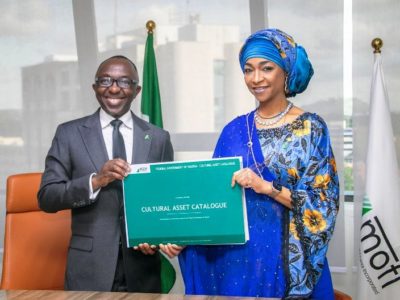
In a historic move to transform the nation’s creative and cultural sectors, the Ministry of Art, Culture, Tourism and Creative Economy (FMACCE) has signed a strategic Memorandum of Understanding (MoU) with the Ministry of Finance Incorporated (MOFI).
RELATED: NITDA deepens digital support for Nigeria’s $9bn creative economy, targets global competitiveness
The partnership aims to systematically catalogue, value, and securitize the Federal Government’s vast tangible and intangible assets—from paintings and heritage sites to copyrights and traditional knowledge—turning them into powerful engines for economic diversification and sustainable growth. The signing ceremony took place at the Bank of Industry House, marking a pivotal step toward activating Nigeria’s dormant cultural wealth.
Monetizing National Treasures: From Uncatalogued Art to Economic Powerhouses
Dr. Armstrong Ume Takang, Managing Director and Chief Executive Officer of MOFI, emphasized the immense financial potential lying idle within Nigeria’s cultural repositories.


He noted that while treasures like the Enwonwu painting ‘Tutu’ fetched £1.2 million at a London auction, much of the National collection remains uncatalogued and undervalued.
“These assets will be cataloged, valued, and securitized to generate new income streams for the government and create investment opportunities for Nigerian citizens,” Dr. Takang stated.
He framed the MoU as a clarion call to awaken the “sleeping giants” of creativity, ensuring that arts, festivals, tourism brands, and digital content finally step into the spotlight as significant drivers of economic transformation.
A Presidential Mandate: Building a Legacy for Future Generations
Responding to the partnership, the Minister of Art, Culture, Tourism and Creative Economy, Barrister Hannatu Musa Musawa, reaffirmed that the initiative aligns perfectly with President Bola Ahmed Tinubu’s directive to think outside the box and secure a lasting legacy.
“The real untapped wealth and the future of Nigeria lies within its cultural heritage,” Musawa declared.
She emphasized that the administration is committed to building a sustainable industry that will outlive the current government, providing a robust structure where Nigerian creatives and the government can generate commensurate income for the true worth of their talents and assets.
Four Pillars of the Cultural Asset Transformation Initiative
The groundbreaking collaboration is structured around four key objectives designed to reshape the nation’s economic landscape:
- Generate New Income Streams for the Federal Government through asset optimization.
- Create Investment Opportunities for Nigerian citizens, democratizing access to cultural wealth.
- Enhance Cultural Heritage Preservation by directly linking historical conservation to economic viability.
- Position Nigeria as a Pioneer in cultural asset securitization across the African continent, setting a benchmark for others to follow.
Africa’s Blueprint for Heritage-Driven Growth
By bridging the gap between finance and culture, this MOFI-FMACCE alliance signals a strategic shift in how Nigeria views its heritage.
Beyond preserving history, the initiative actively engineers a future where cultural assets contribute tangibly to the national GDP, fostering innovation, tourism, and pride while creating a replicable model for cultural monetization in Africa.