By
By 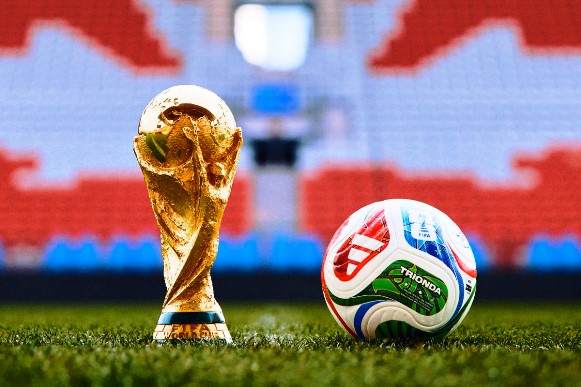
TrafficGuard, a leading digital ad verification and fraud prevention platform, has released a report, ‘The House Won the World Cup. So Did the Bots’, estimating that more than $100 million in betting advertising spend was consumed by invalid traffic and non-incremental clicks during the 2026 FIFA World Cup.
RELATED: FIFA World Cup 2026: How heavy AI dependence is redefining football, from smart balls to digital referees
The tournament generated more than $50 billion in wagers and over $4.5 billion in sportsbook revenue according to public data, and betting operators surged advertising spend to compete for new players. TrafficGuard’s analysis suggests a significant share of that investment went to bots, fake clicks and existing customers navigating back to their accounts through paid ads, draining budgets intended to attract new bettors.
“Operators increased advertising spend creating non-incremental traffic”
The report combines publicly reported market data with TrafficGuard’s aggregated anonymised analysis of more than $200 million in Google Search advertising across more than 100 sports betting operators during the tournament. It shows that operators increased advertising spend rapidly to capitalise on record betting demand, creating greater exposure to invalid and non-incremental traffic.


TrafficGuard’s anonymous examination found that Google advertising spend increased by 60.2% during the tournament compared with the previous three months, with the largest advertisers increasing daily spend by as much as 126% to compete for new players.
“The World Cup triggered the biggest acquisition spending spree in betting history, and a significant share of it never had a chance of acquiring incremental users. Operators paid for bots that will never place a bet, and paid again every time an existing customer used a paid ad as a shortcut to log in. That’s budget meant for new players, consumed at the most expensive moment in the betting calendar,” said Mathew Ratty, CEO of TrafficGuard.
“Waste from bots where budget is spent on clicks with no real person behind them”
Across detection trials with sports betting operators, TrafficGuard consistently identifies around 22% of acquisition spend delivering no new player value. That waste comes from two sources: invalid traffic such as bots, where budget is spent on clicks with no real person behind them, and non-incremental traffic from existing players using paid ads as a gateway back to their accounts.
Applying that benchmark to wider tournament advertising activity, the report estimates $30 million to $50 million was lost through paid search alone. The figure rises past $100 million once affiliate and social channels are included, with affiliate losses driven not by invalid clicks but by misattributed commissions, where fraudulent partners claim payouts for players they never actually delivered.
“Invalid traffic on paid channels can be filtered before budget is consumed”
The report highlights that these two problems demand different defences. Invalid traffic on paid channels can be filtered before budget is consumed, while affiliate fraud requires verification of the full customer journey to ensure commissions reflect genuine player acquisition.
“Major tournaments will always drive record acquisition spend, and record spend will always attract invalid traffic,” said Ratty. “The operators best placed for the next World Cup or Super Bowl are those who can separate genuine new players from bots and from existing customers navigating through paid ads, before the budget is gone rather than after.”
The report also found significant regional differences in advertising activity as operators competed for players throughout the tournament.

Key findings
- Search advertising spend increased by 60.2%.
- The largest advertisers increased spend by up to 126%.
- Latin America recorded the fastest growth at 99%.
- Other regions also recorded accelerated growth, with Asia Pacific growing by 74.4% and Europe by 50%.
- Paid search losses were estimated at $30 million to $50 million.
The findings show that higher traffic volumes during major sporting events do not necessarily translate into more new players. The report highlights the importance of identifying invalid and non-incremental activity while campaigns are live, before acquisition budgets are consumed.
The full report, The House Won the World Cup. So Did the Bots, is available at: https://www.trafficguard.ai/guides/world-cup-2026-sports-betting-report