By
By 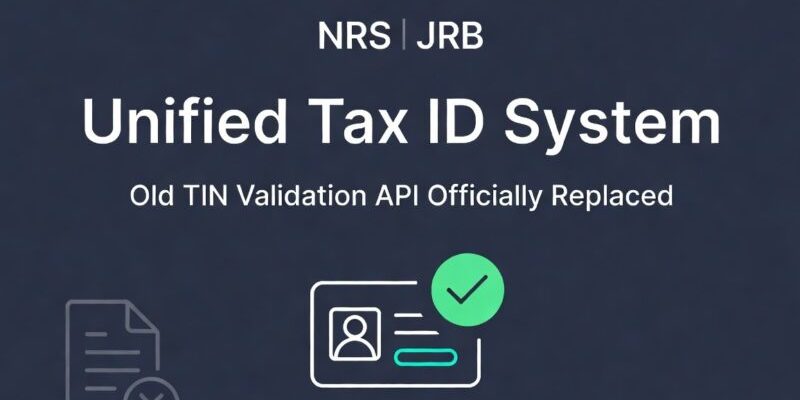
New Framework Integrates NIN and CAC Numbers
Nigeria has officially phased out the old Taxpayer Identification Number (TIN) system, replacing it with a unified Tax Identification (Tax ID) framework designed to modernise and streamline national tax administration.
RELATED: MTN Nigeria remits ₦878.7bn in taxes for 2025, deepens ESG and network investment drive
Under the new system, existing national identification databases are fully integrated to create a single, harmonised identity for all taxable individuals and businesses across the federation.
According to a joint public notice issued by the Nigeria Revenue Service (NRS) and the Joint Revenue Board (JRB), the unified Tax ID replaces the previous TIN framework. It will now serve as the sole identifier for taxpayers engaging with both federal and sub-national tax authorities.


“This initiative forms part of ongoing efforts to strengthen tax administration, enhance transparency, and improve service delivery across the nation’s tax system,” the notice stated.
How the New Tax ID Works
The unified Tax ID consolidates taxpayer records, eliminates duplication, and improves the management of tax-related information across government institutions.
Key applications include:
- Simplified taxpayer identification nationwide
- Improved data sharing across tax authorities
- Enhanced compliance monitoring and service delivery
What It Means for Individuals and Businesses
The new framework automatically assigns Tax IDs based on existing national records:
- Individuals: Your National Identification Number (NIN) now automatically serves as your official Tax ID. No separate application or physical tax card is required.
- Businesses: Your Corporate Affairs Commission (CAC) registration number now functions as your unified Tax ID.
Mandatory Use and Exemptions
Tax authorities clarified the scope of mandatory compliance under the new regime:
- Mandatory Usage: A valid Tax ID is required to access financial services, including opening or operating bank accounts, processing insurance transactions, securing government contracts, and running a registered business.
- Who Is Exempt: Non-taxable individuals—such as students, retirees, and unemployed persons—are not required to hold a Tax ID.
- Pre-existing TINs: Older TINs remain legally valid and recognised within the new system.
How to Retrieve or Verify Your Tax ID
Taxpayers are not expected to undergo fresh registration in most cases.
- Individuals can retrieve or verify their 13-digit Tax ID (NIN) by dialing *346# on their mobile phones.
- Authorities also confirmed that taxpayers will be able to retrieve their identifiers via a dedicated online portal for validation and verification services.
No Immediate Sanctions for Non-Compliance
Officials stressed that the Tax ID is mandatory for taxable persons carrying out regulated transactions. But there will be no immediate sanctions, penalties, or automatic deductions for non-compliance during the transition period.
The focus, they said, is on education, system stabilisation, and gradual onboarding.

Part of Broader Fiscal Reforms
The unified Tax ID reform follows the recent restructuring of the Federal Inland Revenue Service (FIRS) into the Nigeria Revenue Service (NRS) and the Joint Tax Board into the Joint Revenue Board earlier in 2026. These changes form part of broader fiscal and institutional reforms that took effect in January 2026, They are aimed at strengthening revenue mobilisation and public-sector efficiency.
Tax authorities have advised individuals and corporate entities to consult official NRS and JRB communication channels for further information on validation services, technical onboarding, and corporate record management. These channels remain the authoritative sources for guidance and updates regarding taxpayer obligations and compliance procedures.