By
By 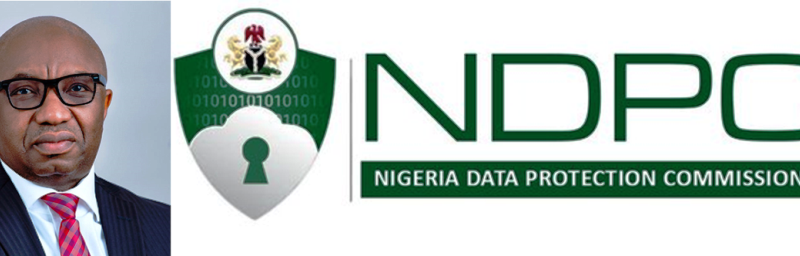
Institutional Focus – IT Edge News.Africa Q2 2026 Digital Economy Report
Nigeria’s Data Regulator Enters a New Enforcement Era
In the second quarter of 2026, the Nigeria Data Protection Commission (NDPC) firmly repositioned Nigeria’s data governance framework from privacy awareness to full-scale enforcement, reflecting the growing centrality of data to national development.
RELATED: Q2 Reports – Galaxy Backbone at 20: Powering Nigeria’s shift from infrastructure to digital sovereignty
Led by its innovative National Commissioner and CEO, Dr. Vincent Olatunji, the Commission recorded one of its most impactful quarters since the enactment of the Nigeria Data Protection Act (NDPA) 2023—strengthening digital trust, securing public infrastructure, and aligning Nigeria with global data governance standards.


A:LSO READ: MOFI in Q2 2026: Unlocking national asset value for Nigeria’s digital economy
Building Nigeria’s Data Protection Workforce at Scale
A major Q2 highlight was NDPC’s unprecedented human capital drive in partnership with the National Identity Management Commission (NIMC).
- Over 4,000 Data Protection Officers (DPOs trained): Public sector personnel were enrolled through the NDPC Virtual Privacy Academy, significantly boosting institutional data-handling capacity.
- Protecting national identity infrastructure: The initiative directly strengthens safeguards around the National Identification Number (NIN) database, which contains sensitive data of over 120 million Nigerians.
- Positioning Nigeria as a privacy talent hub: Parallel DPO certification programmes in Abuja and Lagos addressed the global shortage of certified privacy professionals.
This large-scale workforce development signals Nigeria’s ambition to lead Africa’s emerging data economy.
Mandatory TOMs Audits Across MDAs
To secure public digital infrastructure, the NDPC rolled out Technical and Organisational Measures (TOMs) audits across Ministries, Departments and Agencies (MDAs).
- Hands-on technical drills: IT administrators underwent live simulations to test resilience against cyber threats.
- Mandatory system upgrades: Agencies were compelled to overhaul legacy systems handling citizens’ data.
- Top-level government buy-in: Collaboration with the Office of the Head of the Civil Service ensured Permanent Secretaries and agency heads were directly involved.
This marks a shift toward proactive data governance within Nigeria’s e-government framework.
Enforcement Takes Centre Stage as Penalties Begin to Bite
Q2 2026 also marked the end of regulatory leniency. Backed by the General Application and Implementation Directive (GAID), the NDPC moved decisively into enforcement mode.
- ₦7.2 billion generated from compliance fees, registrations, and penalties.
- High-impact sanctions: Non-compliant entities now face fines of up to ₦10 million or 2% of annual gross revenue.
- High-profile investigations: Formal probes were launched into data breaches involving major platforms, including Remita and Sterling Bank.
- Compliance deadlines enforced: Extended 2025 Compliance Audit Returns (CARs) closed on May 30, 2026, followed by immediate sanctions for defaulters.
Data protection compliance has now become a material corporate and financial risk.
Reducing Compliance Bottlenecks for Corporates and Big Tech
While tightening enforcement, the NDPC also streamlined compliance pathways for large enterprises and digital platforms.
- Cross-sector MoUs: Partnerships with the Bureau of Public Procurement and the Chartered Institute of Project Management of Nigeria embedded privacy into project lifecycles.
- Sub-national harmonisation: A landmark agreement with the Nigeria Governors’ Forum aligned data standards across all 36 states.
- Digital sovereignty measures: Mandatory adoption of .ng domains for compliant organisations strengthened national data oversight.
These measures reduce regulatory friction while maintaining firm control over data governance.
Nigeria Emerges as Africa’s Data Governance Reference Point
In Q2 2026, Nigeria assumed a continental leadership role in data sovereignty and cross-border governance.
- Continental coordination: NDPC played a central role at the Network of Africa Data Protection Authorities (NADPA) AGM in Abidjan.
- Cross-regional peer exchange: In collaboration with the World Bank and Smart Africa, Nigeria hosted regulators from nine African countries to pilot frameworks for cross-border data flows under AfCFTA.
Nigeria is increasingly exporting a “Nigerian model” of data regulation across Africa.
Data Protection as an Economic Asset
Beyond regulation, NDPC’s Q2 performance underscores data protection as an economic growth lever:
- 23,000 jobs created across Nigeria’s data ecosystem.
- Enhanced investor confidence through predictable enforcement and sovereign data controls.
- Future-proofing innovation: Introduction of AI System Impact Assessments ensures ethical deployment of advanced data-processing technologies.
Outlook: Securing Trust in Nigeria’s Digital Economy
By Q2 2026, the Nigeria Data Protection Commission had decisively transformed data privacy from a compliance checkbox into a strategic national asset.
Through enforcement, workforce development, and continental leadership, the NDPC is anchoring trust, investment, and innovation in Nigeria’s fast-expanding digital economy.