By
By 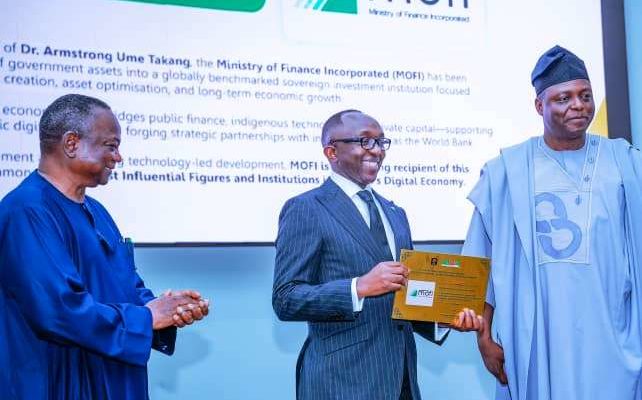
By Dayo Fadairo and Hassan U. Ahmed
At WACC 2026, Ministry of Finance Incorporated outlines an asset-led strategy to unlock broadband, jobs and digital productivity on Nigeria’s path to a $1 trillion economy


MOFI Charts a New Growth Path Through Digital Productivity
Nigeria’s next major growth frontier lies in digital productivity, and the Ministry of Finance Incorporated (MOFI) is positioning itself at the centre of this transition.
RELATED: NDPC calls for stronger data protection accountability at WACC 2026
In a bold strategic push, MOFI has mapped a roadmap to transform idle federal assets into active digital infrastructure. The goal: create jobs, cut internet costs, and bring millions of unserved Nigerians into the formal digital economy.
ALSO READ: WACC 2026: APC outlines bold digital economy blueprint to drive Nigeria’s $1 trillion ambition
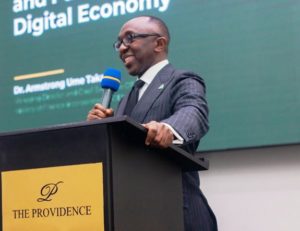
The strategy was announced by Dr. Armstrong Takang, Managing Director and Chief Executive Officer of MOFI, at the 15th West Africa Convergence Conference (WACC) 2026, where MOFI served as a strategic partner.
Turning Public Assets into Digital Infrastructure
Presenting a paper titled “Mobilising Federal Assets, Capital and Partnerships for Nigeria’s Digital Economy,” Dr. Takang explained how state-owned commercial assets are being repositioned to support President Bola Ahmed Tinubu’s Renewed Hope Agenda.
MOFI’s strategic approach separates regulatory oversight from commercial asset ownership, aligning with international public wealth management standards. This enables the deployment of federal assets as drivers of economic productivity and inclusion. Crucially, it positions them for sustainable, long-term revenue generation.
“Diversification beyond oil now depends on how effectively our existing public assets are made to work. The digital economy is where idle federal infrastructure can be converted into productivity, revenue and inclusion,” Takang said.
Closing the Digital Inclusion Gap
A core pillar of MOFI’s strategy is bridging Nigeria’s digital divide. According to Takang, nearly 33 million Nigerians remain completely offline, limiting access to education, remote work, digital finance and e-government services.

MOFI’s infrastructure mobilisation agenda prioritises broadband expansion and cost reduction. These efforts are designed to unlock broader participation in the digital economy. The strategic focus remains on integrating underserved communities into the digital mainstream.
Flagship Projects Driving National Impact
MOFI is backing several high-impact initiatives that underscore its strategic importance to Nigeria’s digital economy:
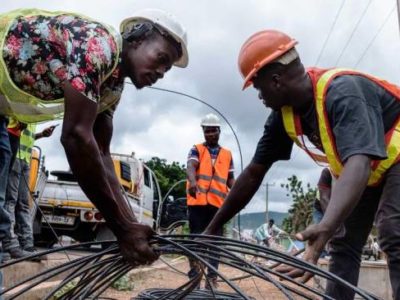
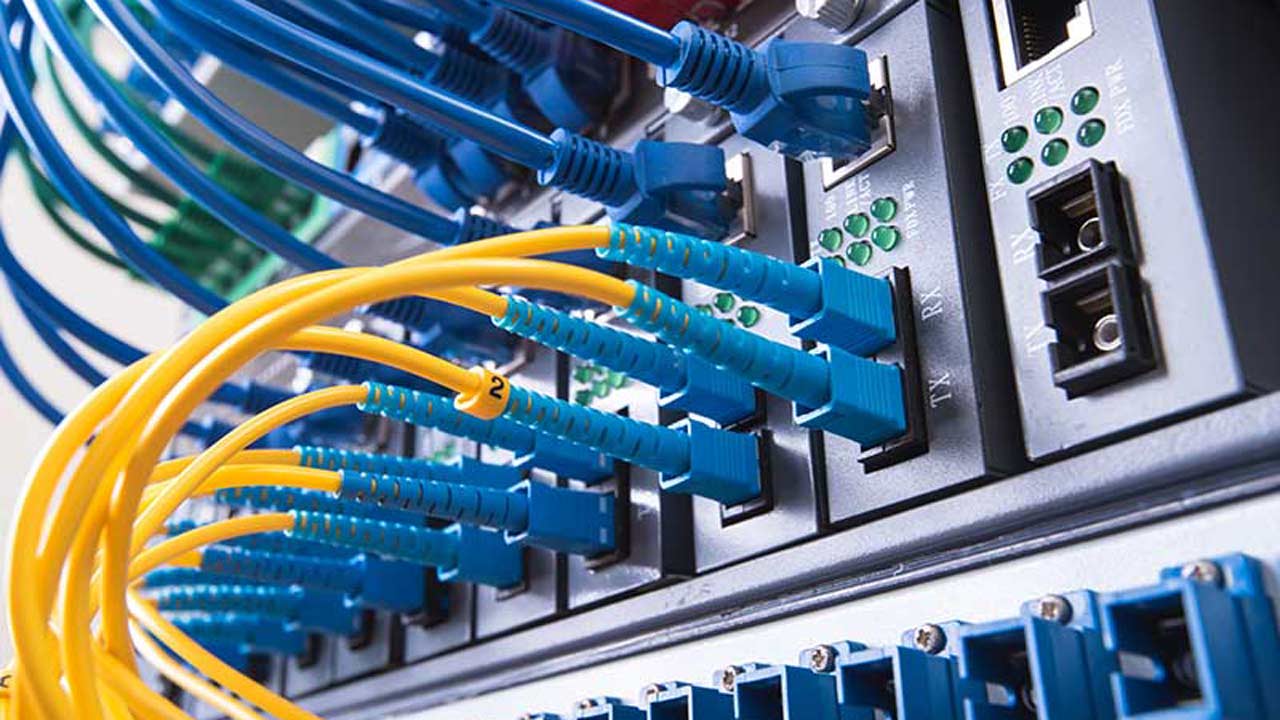
- Project BRIDGE: A Public-Private Partnership to deploy a 90,000-kilometre national fibre backbone, requiring an estimated $2 billion in capital. The project is expected to dramatically scale broadband availability and reduce data costs for households and small businesses.
- Project 774: In collaboration with NIGCOMSAT and Galaxy Backbone, MOFI is extending reliable internet connectivity to all 774 Local Government Secretariats, improving grassroots service delivery and access to public information.
- AI as a Growth Engine: Following the launch of Nigeria’s National AI Strategy, MOFI is prioritising investments that position artificial intelligence as a driver of job creation, skills development and public sector efficiency.
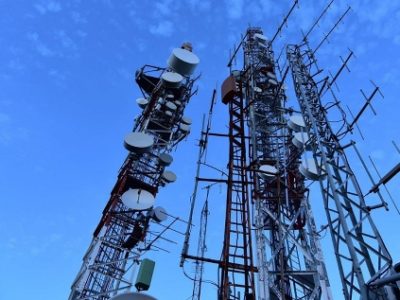
- Critical National Assets Protection: By designating telecom infrastructure as critical national assets, the government is safeguarding networks from vandalism—ensuring more reliable connectivity and improved quality of service for citizens.
Digital Infrastructure as a National Productivity Asset
Takang highlighted a fundamental policy shift under the Renewed Hope Agenda:
- Digital infrastructure is now treated as a national productivity asset, not a sectoral cost
- Digital skills are central to employment for Nigeria’s youthful population
- Digital platforms are being engineered to transform service delivery across trade, finance, health and enterprise
“To build a productive, inclusive and globally competitive economy, digital technology remains one of Nigeria’s strongest platforms,” he said.
MOFI’s Strategic Role: Bridging Public Assets and Private Capital
WACC 2026 further reinforced MOFI’s unique position within Nigeria’s digital transformation architecture.
In his keynote address, APC National Chairman Professor Nentawe Yilwatda described MOFI as a critical bridge between public assets and private capital.
“MOFI sits at the intersection of national assets and long-term investment capital. Its mandate uniquely positions it to unlock value, structure investment opportunities and attract capital into strategic digital infrastructure,” Yilwatda noted.
He added that MOFI could catalyse sovereign-backed digital infrastructure funds to drive national growth.
The agency is also positioned to support data centre expansion, scale fibre investments, and accelerate AI computing infrastructure. Together, these efforts would transform digital infrastructure into a viable, investable asset class.
National Recognition for Digital Economy Leadership
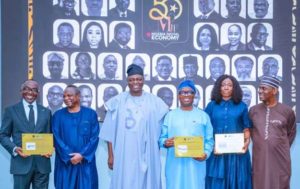
In recognition of its growing influence, MOFI—under Dr. Takang’s leadership—was named among the 50 Most Influential Figures in Nigeria’s Digital Economy (Institutional Category) at WACC 2026.
The award was presented by Professor Nentawe Yilwatda, underscoring MOFI’s rising profile as a strategic investment catalyst rather than a regulator or operator.
WACC 2026: Where Policy, Capital and Technology Align
According to WACC 2026 Committee Chairman, Sola Afolabi, the conference has evolved into a national policy platform where politics, capital and technology are deliberately aligned.
“At its core, WACC is about governance in the digital age—where political intent meets economic reality, and technology is treated as national infrastructure,” he said.
Laying the Foundation for a $1 Trillion Economy
ICT now contributes between 18 and 19 per cent of Nigeria’s GDP. The government has set an ambitious target of 22 per cent by 2027. MOFI’s asset mobilisation strategy provides the structural backbone to achieve this growth sustainably.
Nigeria’s ambition to become a $1 trillion economy demands strategic asset mobilisation. MOFI’s role in converting national wealth into productive digital infrastructure may prove decisive in achieving this goal.
Ultimately, this approach aims to ensure that economic growth translates into shared prosperity for every Nigerian.