By
By 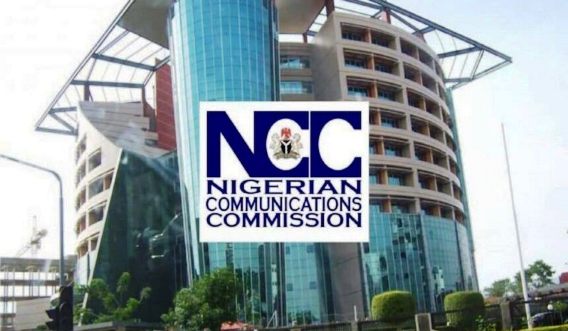
The Nigerian Communications Commission (NCC) has unveiled a new package of incentives designed to stimulate local manufacturing of smartphones, tablets, and telecommunications equipment—an initiative expected to significantly lower device costs and expand phone ownership across Nigeria.
RELATED: NCC’s unrelenting battle to protect consumers against fake mobile devices
The move aligns with Nigeria’s broader digital inclusion and industrialisation agenda, targeting one of the biggest barriers to digital participation: the high cost of smartphones.
Lower Costs, Greater Access to Phones
Speaking on the initiative, Idris Ibikunle Olorunnimbe, Chairman of the NCC Governing Board, said the Commission is taking a more proactive role in enabling device manufacturing within Nigeria.


He explained that policy measures such as tax holidays, streamlined customs processes, and regulatory support would reduce production costs, making smartphones and related devices more affordable for millions of Nigerians.
“Regulation and market integrity are what make a market affordable in the first place. A phone is only truly cheap if it is genuine, safe, connects properly, and comes with a warranty the buyer can trust,” Olorunnimbe said.
Why Local Manufacturing Matters for Phone Ownership
Despite improvements in network coverage, smartphone affordability remains a major constraint to digital adoption in Nigeria. Import-dependent supply chains expose devices to foreign exchange volatility, import duties, and logistics costs—factors that ultimately inflate retail prices.
By encouraging domestic production, the NCC aims to:
- Reduce device prices through lower import dependence
- Improve availability of entry-level and mid-range smartphones
- Create jobs and build local technical capacity
- Increase long-term device ownership, especially among low-income users
According to the NCC, cheaper devices will complement ongoing investments in broadband and mobile infrastructure, ensuring that connectivity translates into real usage.
Flexible Financing to Replace One-Off Purchases
Olorunnimbe also called for a rethink of how Nigerians acquire phones, urging stakeholders to move beyond the traditional model of outright, one-time payments.
“Retire the assumption that a Nigerian must buy a phone outright, in one payment, on the day. That is not how it works in many other markets,” he said.
Industry analysts say device financing, leasing, and instalment payment models—combined with locally manufactured devices—could dramatically increase smartphone penetration and accelerate digital inclusion.
Industry Backs the NCC Strategy
The Association of Licensed Telecommunications Operators of Nigeria (ALTON) has welcomed the NCC’s move, describing it as a practical pathway to wider broadband adoption.

ALTON Chairman Gbenga Adebayo said local smartphone production, combined with innovative financing options, would help close Nigeria’s digital inclusion gap.
He added that Nigeria must transition from being largely a consumer of imported technology to becoming a designer and manufacturer of digital products, noting that the country’s large market size and youthful population provide a strong foundation for world-class manufacturing.
“Our ambition should go beyond assembling imported components. Nigeria has the scale and talent to build real manufacturing depth,” Adebayo said.
Devices Linked to Education and Government Services
As part of the broader strategy, the NCC plans to integrate locally manufactured smartphones, routers, and MiFi devices into its digital inclusion programmes.
According to Olorunnimbe, the devices will feature:
- Built-in access to zero-rated educational platforms under the NCC’s education programme
- Direct links to government digital services, including civic registration, tax systems, and e-health platforms
The goal is to ensure that phone ownership translates into tangible benefits—better education access, easier interaction with government services, and increased economic participation.
A Step Toward a Self-Reliant Digital Economy
The NCC said the initiative reflects its commitment to indigenous technology development while supporting Nigeria’s push toward a more inclusive, affordable, and self-reliant digital economy.
By lowering device costs and expanding ownership, stakeholders believe the policy could unlock millions of new users, deepen broadband usage, and strengthen Nigeria’s position as Africa’s largest digital market.