 By
By 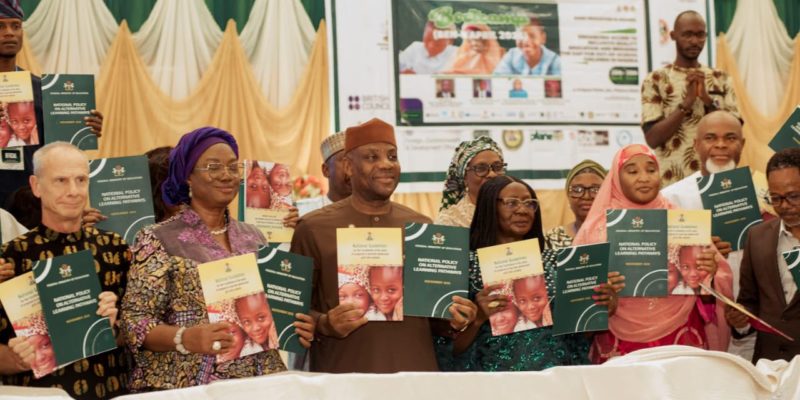
The Federal Ministry of Education has stepped up efforts to tackle Nigeria’s out-of-school children crisis, unveiling a data-driven strategy backed by technology, national collaboration, and targeted investments aimed at returning millions of children to learning.
RELATED: NITDA and Education Ministry launch digital literacy initiative in Nigeria
The Ministry disclosed this in a press release issued on Tuesday and shared via its official X handle, highlighting a renewed push to expand access to education, improve retention, and strengthen learning outcomes across the country.


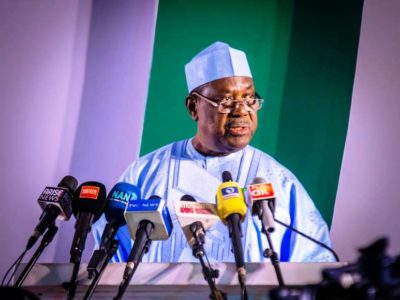
The announcement came during the 2026 Basic Education in Nigeria Bootcamp held in Jos, where policymakers, educators, and development partners gathered to design practical solutions to one of the country’s most persistent education challenges.
A Data-First Approach to Education Reform
At the centre of the Federal Government’s strategy lies a strong emphasis on data specifically, the ability to identify, track, and support every child within the education system.
The Honourable Minister of Education, Maruf Tunji Alausa, stressed that meaningful reform cannot happen without reliable information.
He explained that the government now prioritises credible data systems that make it easier to locate out-of-school children and deploy targeted interventions that address their specific barriers to education.
“Effective reform depends on identifying out-of-school children and deploying targeted interventions,” the Minister said.
This shift marks a departure from broad, one-size-fits-all policies toward more precise, evidence-based decision-making.
Expanding Digital Infrastructure in Education
To support this transformation, the Ministry is expanding the National Education Management Information System (NEMIS)—a centralised digital platform designed to collect and manage education data nationwide.
Alongside NEMIS, the government has introduced the Learner Identification Number (LIN), a unique identifier assigned to each student. The system enables authorities to track enrolment, attendance, and progression throughout a child’s academic journey.

Officials say these tools will help reduce data gaps, eliminate duplication, and ensure that interventions reach the right beneficiaries.
The initiative also aligns with global best practices, where digital identity systems play a critical role in improving service delivery in education and other public sectors.
Mapping Millions of Children Back to School
Early results from the government’s data-driven approach show promising progress.
According to the Ministry, the 2025/2026 Annual School Census has already captured data for more than two million learners across Nigeria. In addition, nearly one million out-of-school children have been identified and mapped for reintegration into the formal education system.
This mapping exercise provides a clearer picture of where vulnerable children live, the barriers they face, and the type of support required to bring them back into classrooms.
Education stakeholders at the bootcamp described the development as a critical step toward closing Nigeria’s education gap.
Investments Target Infrastructure and Teachers
Beyond data systems, the Federal Government continues to back its reforms with significant financial investment.
The Ministry confirmed that more than ₦106 billion has been allocated through the Universal Basic Education Commission (UBEC) grants to support basic education programmes nationwide.
In addition, ₦22 billion has been invested in teacher training, benefiting approximately 978,000 educators. Officials believe that strengthening teacher capacity will directly improve classroom delivery and learning outcomes.
Infrastructure development also forms a key part of the intervention. Over 10,000 classrooms have undergone renovation, while 7.8 million textbooks have been distributed to schools across the country.
These measures aim to create a more conducive learning environment while addressing longstanding gaps in education resources.
Collaboration Drives National Response
The Jos bootcamp served as a platform for collaboration among federal and state governments, education experts, and development partners.
Participants worked on practical strategies to improve access, reduce dropout rates, and enhance the quality of foundational learning.
The Ministry emphasised that solving Nigeria’s out-of-school children crisis requires coordinated action across all levels of government and society.
Officials noted that while federal policies provide direction, state and local governments play a crucial role in implementation, particularly in reaching underserved communities.
Innovation as a Catalyst for Inclusion
The integration of digital tools such as NEMIS and LIN reflects a broader push to use innovation as a catalyst for inclusive education.
By leveraging technology, the government aims to build a system that not only tracks students but also identifies risks early—such as absenteeism or potential dropout—and responds proactively.
This approach allows policymakers to move from reactive interventions to preventive strategies, ensuring that children remain in school once enrolled.
Experts say this model could significantly reduce the number of children who fall through the cracks of the education system.
Addressing a National Challenge
Nigeria has one of the highest numbers of out-of-school children globally, a challenge driven by factors such as poverty, insecurity, cultural barriers, and inadequate infrastructure.
The Federal Government’s renewed focus on data and innovation signals a recognition that traditional approaches alone cannot solve the problem.
Instead, officials are adopting a more integrated strategy that combines:
- Data systems for visibility
- Investments for capacity building
- Partnerships for effective implementation
This multi-layered approach aims to deliver sustainable results rather than short-term gains.
Commitment to Long-Term Reform
The Ministry reaffirmed its commitment to building an education system that is inclusive, equitable, and capable of delivering quality learning for all Nigerian children.
In the statement signed by Boriowo Folasade, Director of Press and Public Relations, the government stressed that sustained investment and coordinated national action remain essential to achieving this goal.
Officials also highlighted the importance of maintaining momentum, noting that education reform requires continuous effort, monitoring, and adaptation.
Looking Ahead
As Nigeria continues to grapple with its education challenges, the government’s data-driven strategy offers a new pathway toward measurable progress.
By combining technology, funding, and collaboration, the Federal Ministry of Education aims to not only return children to classrooms but also ensure they receive meaningful, quality education.
For millions of Nigerian children currently outside the school system, the success of this initiative could determine their access to opportunity and ultimately shape the country’s future workforce and economic growth.
With systems now in place to track, identify, and support learners, the focus shifts to execution. The coming months will reveal how effectively these policies translate into real change on the ground.
For now, the message from the Federal Government remains clear: no child should remain invisible, and no child should be left behind.