 By
By 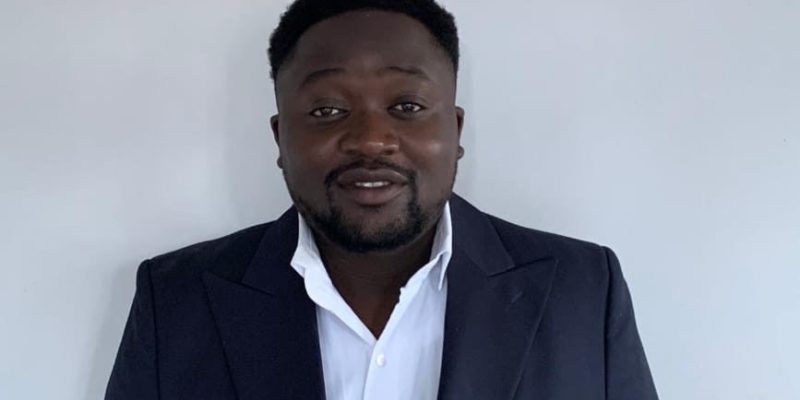
In an exclusive interview with ITEdgeNews, Nana Theresa Timothy speaks with Samson Nuhu Mccarthy, Founder of Elenii Shepherd, about how a childhood friendship inspired him to build an AI-powered platform that is transforming the lives of visually impaired people across Nigeria. From creating offline accessibility tools to launching the country’s first incubation programme for visually impaired entrepreneurs, Samson shares his vision for inclusive innovation, the challenges facing persons with disabilities, and why technology must work for everyone.
RELATED: Kenya launches AI for Disability Project at Connected Africa Summit 2026 to bridge digital divide
What is the inspiration behind Elenii Shepherd?
The inspiration came from someone very close to me. I grew up with a childhood friend named James, who is visually impaired. Throughout our lives together, I watched him struggle with everyday activities that many people take for granted. Even when he never complained, you could feel the weight of those challenges.

About three years ago, I started asking myself a simple question: What can I do to improve the lives of people like James? That question became the foundation of Elenii Shepherd.
We began by visiting schools for the blind, universities, and communities where visually impaired people live. We wanted to understand their real problems instead of making assumptions.
The feedback was consistent. Many of them lacked access to affordable assistive technologies. They also struggled with financial inclusion, entrepreneurship opportunities, and support from government programmes. Most of them felt forgotten.
That research completely changed our direction. We initially wanted to build an AI application, but we quickly realised that accessibility goes beyond technology. Today, Elenii Shepherd has grown into an ecosystem focused on improving the lives of visually impaired people through technology, entrepreneurship, partnerships, and capacity building.
How has the solution evolved since you started?
One of the biggest discoveries during our research was that internet connectivity remains a major challenge, especially for visually impaired people living in rural communities.
We realised there was little value in creating an AI solution that required constant internet access. So we built an offline AI application that works without data connectivity. That decision made our solution more practical because it allows users to access assistance wherever they are.

However, we also realised technology alone wouldn’t solve every problem. Many visually impaired individuals wanted economic independence more than anything else. That’s why we expanded beyond AI and began building programmes that support entrepreneurship and financial empowerment.
Can you tell us about your partnership with Queen’s University in Canada?
Recently, we entered into a partnership with the Dunin-Deshpande Queen’s Innovation Centre (DDQIC) at Queen’s University in Canada.
The organisation has supported entrepreneurship projects across Africa for years, particularly through the Mastercard Foundation Scholars Program. I pitched the idea of creating entrepreneurship opportunities specifically for visually impaired individuals in Nigeria, and they believed in the vision.
Today, visually impaired Nigerians are participating in an entrepreneurship incubation programme supported through this partnership. Thousands applied for the programme, while only a small number of visually impaired participants were selected for the pilot phase.
The programme is already running successfully, and participants receive training, mentorship, financial support, and opportunities to compete for funding at the end of the programme.
You also mentioned another programme specifically for visually impaired entrepreneurs. What is it about?
Yes. While the Queen’s University programme is excellent, it has limitations because it mainly targets university students. Many visually impaired people never had the opportunity to attend university, but they possess valuable skills and entrepreneurial potential.
That gap inspired us to create Nigeria’s first dedicated six-month incubation programme exclusively for visually impaired entrepreneurs. The programme will begin in August and will initially serve participants from Plateau State, Benue State, and the Federal Capital Territory.
Unlike traditional accelerator programmes, educational qualifications won’t determine eligibility. If someone has skills, determination, and the willingness to build a business, they can participate.
Our goal is to remove barriers that have prevented visually impaired people from accessing entrepreneurship support for years. As the programme grows, we hope to scale it across Nigeria and eventually support hundreds of visually impaired entrepreneurs.
Beyond software, are you developing any hardware solutions?
Absolutely, During our research, we discovered another major challenge. Many visually impaired people cannot afford smartphones or digital devices. That meant even our offline AI application wouldn’t reach everyone.
So we began developing an affordable wearable device powered by ultrasonic sensors. The device helps users detect obstacles and navigate their environment safely without depending on internet connectivity.
We’ve completed the printed circuit board (PCB) design and have already submitted it to manufacturers in China for production.
Our current prototype works, but it’s built with exposed wiring. The next phase focuses on producing a compact, affordable version that people can easily use every day. Once manufacturing is complete, we’ll have a commercially viable product capable of reaching thousands of visually impaired individuals.
How would you describe the core problem Elenii Shepherd is solving?
The challenges are broader than accessibility alone. We’re solving three interconnected problems.
First, we’re improving access to assistive technology. Second, we’re making entrepreneurship opportunities accessible to visually impaired individuals. Third, we’re helping people achieve greater independence through technology. Many existing accessibility platforms focus only on navigation or visual assistance.
Our approach combines AI, entrepreneurship training, business development, accessibility tools, and offline technology into one ecosystem. We aren’t simply building another accessibility application. We’re creating opportunities that enable visually impaired people to participate fully in society.
How does your solution differ from existing accessibility platforms like Be My Eyes?
Platforms like Be My Eyes have done remarkable work. Their model connects visually impaired users with volunteers who provide assistance through live video calls.
Our solution takes a different approach. We combine AI-powered accessibility with entrepreneurship education, business incubation, offline functionality, and locally relevant support.
Rather than relying entirely on volunteers, we’re building tools that help users become more independent while also creating economic opportunities. That’s what makes our platform unique.
What is your assessment of government support for persons with disabilities?
The government has made efforts, and I acknowledge that. However, those efforts rarely reach the people who need them most. Support often appears during commemorative events like the International Day of Persons with Disabilities, but meaningful interventions throughout the year remain limited. Many visually impaired communities still lack basic support systems. One example that continues to concern me is a vocational school for the blind that has remained non-functional for years because of something as basic as food.
The infrastructure exists. The staff are available. The workshops are there. Yet students cannot continue learning because feeding has become an obstacle. That should never happen. It shows that implementation remains one of our biggest challenges. Policies exist, but without proper execution, they make little difference in people’s daily lives.
What message would you like policymakers and stakeholders to hear?
Disability inclusion should never become an occasional conversation. It should become part of national development planning. Technology companies, governments, investors, and development partners all have roles to play. Innovation should not leave anyone behind.
When we invest in accessible technology and entrepreneurship for persons with disabilities, we’re not offering charity. We’re creating opportunities for talented people to contribute meaningfully to society. That’s the future we’re building at Elenii Shepherd, and we’re committed to making it a reality.