By
By 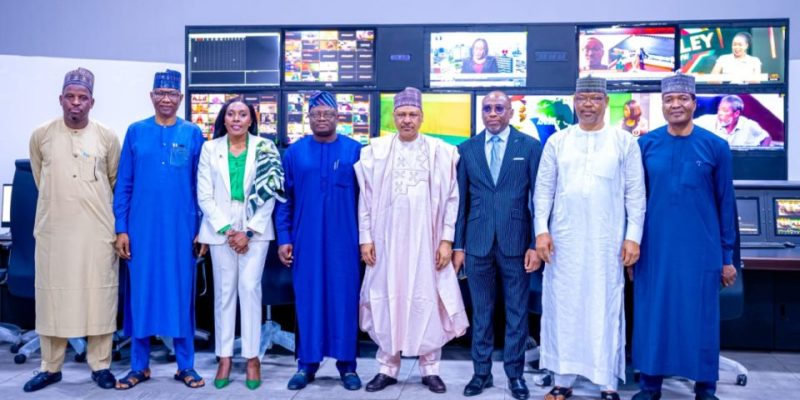
Nigeria Completes Shift from Analogue to Digital Broadcasting
The Federal Government of Nigeria has announced June 17, 2026, as the official launch date for its nationwide Digital Switchover (DSO) platform. Branded FreeTV, it marks the country’s full transition from analogue to digital television broadcasting.
RELATED: Funds paucity threatens Nigeria’s digital switchover plans
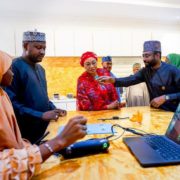
The announcement was made by the Minister of Information and National Orientation, Mohammed Idris, during a tour of facilities operated by Nigerian Communications Satellite Limited (NIGCOMSAT) in Abuja. The rollout ends years of phased trials and delays that slowed Nigeria’s migration to digital broadcasting.
RELATED: Nigeria’s digital switchover: A new era for broadcasting
Key Features of the FreeTV Platform
The FreeTV platform is designed to deliver wide-reaching, affordable access to digital television services across the country.
- Over 100 Free Channels: Nigerians will have access to news, sports, education, culture, and entertainment channels without monthly subscription fees.
- Transition to HD Broadcasting: Television signals will move from standard definition (SD) to high-definition (HD), offering clearer picture quality.
- Hybrid Satellite and Mobile Access: The service is powered by NIGCOMSAT satellite infrastructure and will also be accessible via the FreeTV mobile application.
- Unencrypted Access: Unlike earlier DSO models that relied on costly encrypted set-top boxes, the government has absorbed major infrastructure costs to ensure unencrypted and affordable access.
Industry Transformation and Market Impact
Beyond improved viewing quality, FreeTV is expected to reshape Nigeria’s broadcast and advertising landscape.
- Audience Measurement System: Built-in analytics will provide real-time data on viewing habits, enabling broadcasters and advertisers to make evidence-based programming and investment decisions.
- Decentralised Content Production: The National Broadcasting Commission (NBC) is establishing six regional production studios, allowing local content creators to operate without relocating to Lagos or Abuja.
- Multilingual Support: A national call centre will provide customer support in English, Hausa, Yoruba, Igbo, and Pidgin to improve user experience nationwide.
Government Hails Reform of Broadcast Sector
Speaking after the facility tour, Idris described the DSO rollout as a major reform in Nigeria’s broadcast industry. The rollout aligns with President Bola Tinubu’s broader agenda to modernise key sectors of the economy.
He noted that Nigerians had waited for years for the analogue-to-digital transition, stressing that the process is now complete and ready for commissioning.
According to the minister, FreeTV will introduce scientific audience measurement tools. These were absent in earlier DSO attempts, giving advertisers clearer insights into what Nigerians watch across different demographics.
Boost for Competition, Content and Viewership
Idris said the new digital system would deliver clearer, free television services’ It will also encourage healthy competition among broadcasters and content producers. He added that increased competition would drive better programming, expand viewership, and accelerate content growth across the industry.
He further disclosed that the platform would migrate fully to HD broadcasting shortly after launch, reinforcing Nigeria’s move toward modern broadcast standards.
Collaboration Drives Successful Rollout
The minister credited the successful rollout to collaboration between NIGCOMSAT, the NBC, the Ministry of Communications, and the Ministry of Information and National Orientation. He also commended President Tinubu for providing the political backing and resources required to finally achieve the long-delayed digital switchover.
“With this launch, the digital switchover is no longer an aspiration—it is now a reality,” Idris said