By
By 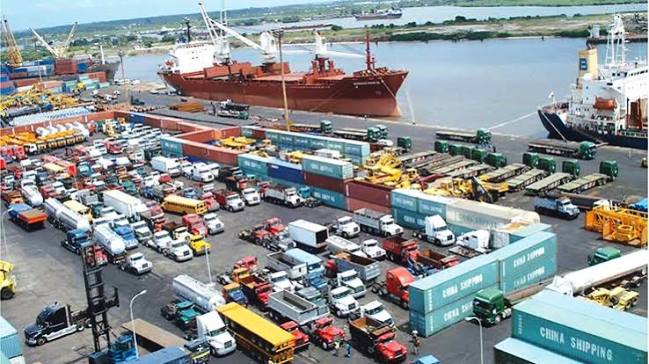
The Nigeria Customs Service (NCS) is accelerating the digital transformation of cargo clearance and border trade through B’Odogwu, its indigenous Unified Customs Management System (UCMS) designed to replace the legacy Nigeria Integrated Customs Information System (NICIS II).
RELATED: Nigerian government approves $18m and N3.25b for procurement of port scanners
The platform is aimed at creating a fully automated, paperless customs environment that connects key stakeholders across the import and export ecosystem while reducing delays, manual intervention and opportunities for operational bottlenecks.
B’Odogwu began with a pilot at the Port & Terminal Multiservices Limited (PTML) Command in October 2024 before being progressively deployed across major commands, including Apapa, Tin Can Island, Kirikiri Lighter Terminal (KLT) and Lekki.


B’Odogwu: Nigeria Customs’ Indigenous Digital Platform
B’Odogwu is the NCS’s home-grown digital platform for modernising customs administration and facilitating international trade.
The name combines “B”, representing Border, with “Odogwu”, an Igbo expression associated with strength, resilience and efficiency.
The system was introduced to address operational challenges associated with the former NICIS II platform and to move customs documentation and cargo clearance towards an integrated digital process.
Its central objective is to enable cargo to move through the clearance process in hours rather than days while providing traders, customs agents and regulatory agencies with greater visibility over transactions.
From NICIS II to an Integrated Customs Management System
The transition from NICIS II to B’Odogwu represents a significant shift in the way the NCS manages customs processes.
Rather than relying heavily on fragmented processes and manual documentation, the UCMS brings critical trade procedures into a unified digital environment.
The platform is designed to connect the NCS with key institutions and stakeholders, including the Central Bank of Nigeria (CBN), commercial banks, Federal Inland Revenue Service (FIRS), National Agency for Food and Drug Administration and Control (NAFDAC), and Standards Organisation of Nigeria (SON).
This integration is intended to reduce duplication, improve information sharing and make customs transactions more transparent.
Digitising Customs Documentation
One of B’Odogwu’s major capabilities is the digital management of key customs documentation and procedures.
The system supports processes including:
- Form M processing;
- Pre-Arrival Assessment Report (PAAR);
- Single Goods Declaration (SGD);
- Manifest transmission;
- Electronic cargo tracking; and
- Automated risk management.
The platform also incorporates non-intrusive inspection technologies, allowing customs authorities to improve cargo monitoring without relying solely on physical examination.
Another important feature is automated customs valuation. The system is designed to obtain official exchange-rate information transmitted by the CBN and incorporate it into customs valuation processes.
B’Odogwu Targets Faster Cargo Clearance
For importers and licensed clearing agents, one of the major expected benefits of the digital customs platform is a reduction in cargo clearance time.
The system is designed to bring clearance turnaround down to between two and eight hours at ports where it is fully deployed, potentially reducing demurrage costs and improving the predictability of cargo movement.
By bringing documentation, payments and clearance information into a digital environment, traders can also obtain greater visibility into the status of their transactions.
The reduction of physical interaction between traders and customs officials is another important objective, as it is expected to improve transparency and reduce opportunities for unnecessary delays and corrupt practices.
Real-Time Visibility for Traders and Customs
B’Odogwu also provides digital tracking capabilities intended to give traders and agents better visibility throughout the clearance process.
Instead of depending extensively on physical documentation and repeated visits to customs offices, users can track key stages of their transactions electronically.
The system’s integration with financial institutions and regulatory agencies is similarly designed to facilitate faster verification of payments, documentation and regulatory requirements.
For the NCS, the availability of integrated data can strengthen risk management and enable customs officials to focus attention on transactions requiring closer scrutiny.
B’Odogwu Rollout Across Nigerian Ports
Following the initial PTML pilot in October 2024, B’Odogwu has been expanded to several major maritime commands.
The deployment covers:
- Apapa;
- Tin Can Island;
- PTML;
- Lekki;
- Kirikiri Lighter Terminal; and
- Port Harcourt Area II.
The progressive rollout reflects the NCS’s broader strategy of moving customs administration towards a digitally enabled national trade environment.
Traders, licensed clearing agents and participating government agencies can access the NCS’s digital customs operations through the official Nigeria Customs Service Trade Portal.
Digital Customs and Nigeria’s Trade Facilitation Agenda
The deployment of B’Odogwu comes as Nigeria seeks to improve the efficiency of its ports, reduce the cost of international trade and strengthen its competitiveness within regional and global markets.
For businesses, faster customs processing can translate into lower logistics costs, reduced demurrage exposure and greater certainty in supply-chain planning.
For government, the digitalisation of customs processes provides an opportunity to strengthen revenue administration, improve compliance and build a more reliable database for trade intelligence and economic planning.
The broader significance of B’Odogwu therefore extends beyond replacing an old customs platform. It represents an attempt to build a more integrated digital infrastructure for Nigeria’s border management and trade ecosystem.