By
By 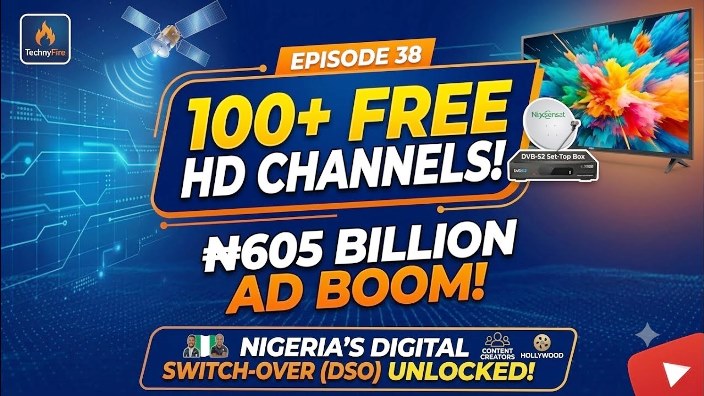
By Stephen Kwande
The Digital Switch Over (DSO) represents one of the most transformative shifts in broadcasting and media consumption. It refers to the migration from analog television transmission to digital broadcasting, a process that unlocks new opportunities for advertisers, broadcasters, and audiences alike.
RELATED: Africa must treat digital broadcasting as economic infrastructure, not just regulation — NBC DG
Beyond being a technological upgrade, the DSO is a powerful tool for reshaping how advertising is delivered, measured, and monetized in the modern media landscape.
DSO comes with limitless ability to expand the reach of advertisements
One of the most significant advantages of the DSO is its ability to expand the reach of advertisements. Digital broadcasting allows for more channels to be transmitted within the same frequency spectrum, meaning audiences have access to a wider variety of content.
For advertisers, this translates into more platforms to showcase their products and services. Unlike analog systems, where limited channels restricted advertising opportunities, digital broadcasting creates a diverse ecosystem where brands can target niche audiences while still maintaining mass-market visibility.
Digital broadcasting brings tools enabling advertisers to tailor campaigns to specifics
Digital broadcasting introduces advanced features such as Electronic Program Guides (EPGs) and interactive services. These tools enable advertisers to tailor their campaigns to specific demographics, interests, and viewing habits. For instance, a sports brand can place ads during live football broadcasts, while a food company can target cooking shows. This level of precision ensures that advertising budgets are used more efficiently, maximizing return on investment and reducing wastage.
The DSO also improves the quality of advertisements. Digital signals provide clearer images, better sound, and high-definition broadcasts, which enhance the overall viewing experience. Advertisements presented in high quality are more engaging and memorable, increasing their impact on consumers.
Furthermore, digital platforms support interactive advertising, where viewers can respond directly to ads by clicking for more information, participating in polls, or even making purchases. This interactivity transforms advertising from a passive experience into an active engagement tool.
For advertisers, digital broadcasting reduces costs associated with traditional analog advertising. The ability to run multiple campaigns across different channels simultaneously, coupled with advanced analytics, ensures that resources are allocated more effectively.
New innovation in advertising formats
Moreover, the DSO encourages innovation in advertising formats. Brands can experiment with short-form ads, sponsored content, or even personalized messages delivered through set-top boxes. These innovations create fresh ways to connect with audiences and differentiate brands in competitive markets.
Another critical benefit of the DSO is the availability of real-time data. Digital platforms can track audience behavior, measure ad performance, and provide detailed analytics on reach and engagement. Advertisers can use this data to refine their strategies, identify trends, and respond quickly to consumer preferences. This data-driven approach ensures that advertising campaigns remain relevant and impactful in a rapidly changing media environment.
Democratization of advertising opportunities
The DSO also democratizes advertising by creating opportunities for small and medium-sized enterprises (SMEs) and local content producers. With more channels available, local businesses can affordably advertise to their communities, fostering economic growth and cultural representation. This inclusivity strengthens the advertising ecosystem by ensuring that both multinational corporations and local entrepreneurs can benefit from digital broadcasting.
While the DSO offers immense opportunities, it also presents challenges. Advertisers must adapt to new technologies, invest in digital-ready content, and navigate regulatory frameworks governing digital broadcasting.
Additionally, audience fragmentation across multiple channels requires advertisers to develop cohesive strategies that maintain brand consistency. However, these challenges are outweighed by the long-term benefits of digital advertising, which include greater efficiency, creativity, and audience engagement.
Conclusion
The Digital Switch Over is more than a technological milestone; it is a catalyst for innovation in advertising. By expanding reach, improving targeting, enhancing quality, and providing data-driven insights, the DSO empowers advertisers to connect with audiences in more meaningful ways.
As broadcasters and advertisers embrace this digital future, the advertising industry will evolve into a more dynamic, inclusive, and impactful force in shaping consumer behavior and driving economic growth.
Kwande is the Head, Corporate Affairs Division. He can be reached via text on only (08097106400)