By
By 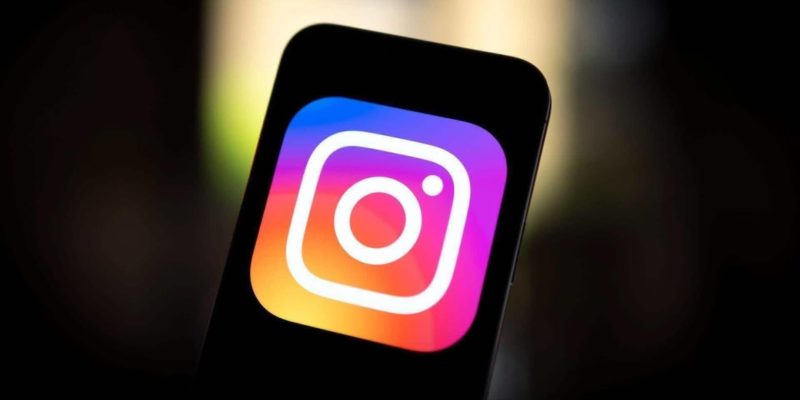
As Meta Eyes Streaming, Filmmakers Warn Visibility Without Fair Pay Isn’t the Real Win
Reports over the past 24 hours suggest that Instagram, owned by Meta, is preparing an aggressive expansion into long-form video, episodic content, and television-based viewing—signalling a potential move to compete more directly with traditional streaming platforms such as Netflix.
RELATED: YouTube vs Cinema: How Monica 2 and Behind the Scenes redefined Nollywood’s viewership and revenue models
Industry insiders say the strategy could see Instagram-hosted series and longer-form videos optimised for TV screens, blurring the line between social media and conventional streaming.
On the surface, the development promises new exposure for creators. But industry stakeholders argue that visibility alone does not solve the most pressing problem facing filmmakers today.
The Real Issue: Monetisation, Not Distribution
According to Flixora, the focus on Instagram’s streaming ambitions misses a deeper industry concern—how filmmakers actually earn sustainable income from their work.
Martins Osuofia, CEO of Flixora, questioned the logic of a social media platform repositioning itself as a film streaming service without first addressing the economics of filmmaking.
He noted that independent filmmakers often invest months or years developing projects—covering production, equipment, crew, locations, post-production, and marketing—only to receive a fraction of the value generated once their content gains traction online.
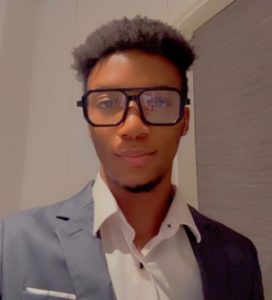
Chukwuemeka Martins Osuofia
“Platforms grow, advertisers grow, shareholders grow—but many filmmakers are still struggling to build sustainable careers,” Osuofia said.
He stressed that film production is both an art and a business, fundamentally different from short-form, engagement-driven social media content.
Questions Filmmakers Are Asking
Flixora argues that filmmakers should look beyond the headlines and demand clarity on critical issues, including:
- How will filmmakers be paid on long-form Instagram content?
- What percentage of revenue will creators actually receive?
- Will monetisation be available immediately or only after reaching thresholds?
- How many followers are required before earnings become meaningful?
- Who retains ownership of intellectual property?
- Will creators own their audience relationships, or will platforms control them?
So far, these questions remain largely unanswered.

Creators Want Ownership, Transparency, and Sustainable Revenue
Osuofia emphasized that creators are increasingly rejecting monetisation systems that disproportionately reward platforms over producers.
“Filmmakers want ownership, transparency, and a realistic pathway to earning a living from their work,” he said.
According to him, simply offering another upload destination does not address the economic realities of filmmaking or the long-term sustainability of creative careers.
Flixora’s Creator-First Vision
Flixora positions itself as an alternative model—one built around creators rather than algorithms.
“Our mission is simple. To give filmmakers and video creators a platform where they can distribute globally, monetise fairly, and retain ownership of their content,” Osuofia explained.
He welcomed competition in the streaming space but cautioned creators against confusing expanded distribution with meaningful empowerment.
“The future belongs to platforms that align their success with the success of creators—ownership over dependence, monetisation over visibility alone,” he said.
What This Means for the Industry
As Instagram explores longer-form content and TV-based viewing, the debate highlights a growing divide between platform growth strategies and creator expectations.
While new distribution channels may expand audiences, industry leaders warn that without transparent revenue models and creator ownership, the shift risks repeating the same imbalance that has long plagued digital content creation.
For filmmakers, the message is clear: the future of streaming will not be defined by who hosts the content—but by who controls it, who earns from it, and who ultimately shapes the creative economy.