By
By 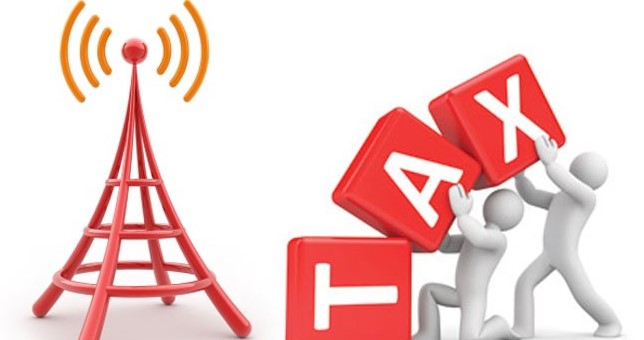
IMF Recommends New Taxes on Fuel and Telecoms
The International Monetary Fund has formally advised the Federal Government of Nigeria to extend Value Added Tax (VAT) to petroleum products and introduce excise duties on telecommunications services as part of broader fiscal reforms.
RELATED: ALTON faults proposed telecom tax; says tax will jeopardize broadband target
The recommendation is contained in the Fund’s 2026 Article IV Consultation Report on Nigeria.
It is aimed at addressing the country’s widening revenue shortfall and creating sustainable fiscal space to support public development. The details of the proposal were highlighted in a media report:
IMF 2026 Article IV Consultation Report on Nigeria


Key Fiscal Proposals in the IMF Report
According to the IMF, Nigeria will require additional tax policy measures over the medium term, despite recent reforms to its tax administration framework. The key recommendations include:
- Fuel Taxation: Extend the standard VAT rate to petrol and diesel products, which currently enjoy exemptions.
- Telecom Excise Duties: Introduce a specific excise tax on mobile voice calls, data services, and internet usage.
- VAT Rate Increase: Raise Nigeria’s baseline VAT rate above the current 7.5 per cent.
- Exemption Reviews: Rationalise tax expenditures by removing VAT exemptions in extractive industries and reassessing selected customs duty waivers.
The IMF estimates that these combined measures could generate additional revenues equivalent to 3.9 per cent of Nigeria’s Gross Domestic Product (GDP). This projection is based on implementation over a three-year period.
Public Backlash and Cost-of-Living Concerns
The proposals have already triggered strong reactions from consumer groups and sector stakeholders:
- Consumer Resistance: The National Association of Telecom Subscribers of Nigeria (NATCOMS) and several economic analysts argue that Nigerians are already overburdened by taxes.
- Rising Living Costs: Critics warn that taxing fuel and telecom services would increase transportation costs, food prices, and data tariffs, deepening economic hardship for the estimated 63 per cent of Nigerians living below the national poverty line.
- Sectoral Pressures: Telecom operators caution that additional levies would be passed on to consumers, given existing challenges such as multiple taxation, high energy costs, foreign exchange pressures, and infrastructure deficits.
IMF Warns on Timing and Social Protection
While maintaining the need for fiscal expansion, the IMF acknowledged Nigeria’s fragile socio-economic environment and advised caution in implementation.
“Further tax policy changes will likely be needed—such as increasing the VAT rate, extending VAT to fuel products, rationalising tax expenditures, and introducing telecom excises—to complement administrative gains,” the Fund noted.
However, it stressed that reforms must be carefully sequenced:
“The timing of reforms must consider the poverty and food insecurity situation and ensure that the cash transfer system is in place and fully funded.”
A History of Resistance to Telecom Taxes
Nigeria’s telecom sector has repeatedly resisted new taxes. A previous attempt by the Federal Government to impose a five per cent excise duty on telecom services was suspended and later scrapped following widespread opposition.
Industry bodies have consistently warned that additional taxes could undermine decades of progress in ICT adoption.

A Renewed National Debate Looms
With fuel prices and telecom costs remaining politically sensitive, the IMF’s recommendations are expected to spark renewed national debate. According to the Fund, broader taxation is essential for Nigeria’s long-term fiscal health.
Yet gaining public buy-in will likely require the government to strike a delicate balance. That balance must weigh revenue generation against social protection measures and overall economic stability.