By
By 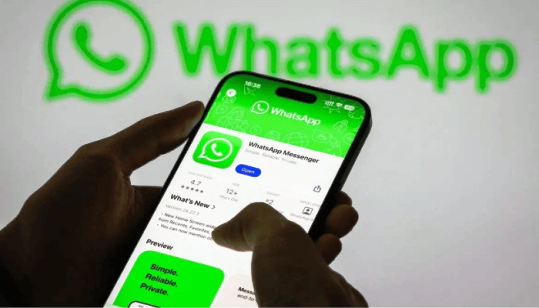
Attackers can now weaponise the trust we place in legitimate social media links.
RELATED: DDoS attacks in MENA spike 163% as for-profit hackers target retail and gaming, StormWall reports
A malicious URL can be disguised within an Instagram Reel invitation sent over WhatsApp. When a victim taps the innocent-looking video preview, their device is forced to load compromised websites and execute harmful scripts. This single interaction can lead to session hijacking, leveraging security flaws tracked as CVE-2026-23866 and CVE-2026-23863.
What is the Vulnerability
- The Exploit Mechanism: WhatsApp creates an automated “rich preview” with a thumbnail and playback link when an Instagram Reel is shared.
- The Vulnerability: Attackers manipulate shared link metadata to redirect “Play” or “View” button actions to malicious, attacker-controlled URLs.
- The Threat: When the victim taps the preview, the application executes the malicious URL. This can lead to:
- In-App Browser Exploitation: Silently triggering drive-by downloads of spyware or banking trojans.
- Credential Phishing: Redirecting the user to a highly convincing spoofed login page (e.g., Google, Microsoft, or bank portals) to steal credentials.
- Session Hijacking: Stealing active session tokens to compromise the user’s WhatsApp or Instagram account.
How to Safeguard Your Devices
- Immediate Patch Management (Critical): Meta has released urgent patches to correct how links are validated before rendering. Ensure all personal and corporate mobile devices immediately update WhatsApp and Instagram to their latest versions via the official Google Play Store or Apple App Store.
- Behavioural Adjustments for Users: Verify links even from trusted contacts and only click previews with links starting exactly with https://www.instagram.com/ or https://instagram.com/ and no suspicious characters. Also, use WhatsApp’s “Report” tool for suspicious links, then delete the conversation.
- Use Mobile Device Management (MDM) Solution: To enforce strict application update policies across corporate-owned or BYOD (Bring Your Own Device) smartphones to ensure security patches are applied immediately.
Courtesy: CIL Support