By
By 
By Osasome C.O
ALTON Raises Alarm Over Multiple Taxation and Infrastructure Vandalism
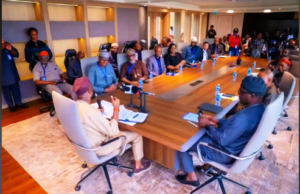
The Association of Licensed Telecoms Operators of Nigeria (ALTON) has called for urgent action to end multiple taxation and the persistent vandalisation of fibre optic infrastructure, warning that both issues continue to impose severe operational and financial burdens on the telecommunications sector.
RELATED: Reducing Right of Way (RoW) fee is good but will not end telecom industry turmoils
The appeal was made during a strategic visit by ALTON to the Chairman of the Board of the Nigerian Communications Commission (NCC), Idris Ibikunle Olorunnimbe. The ALTON delegation was led by its Chairman, Gbenga Adebayo.
Commendation for Resolving USSD Debt Crisis
During the engagement, ALTON commended the NCC for its decisive role in enforcing the settlement of long-standing Unstructured Supplementary Service Data (USSD) debts owed by banks and other service users. The association also praised the Commission for approving cost-reflective adjustments to call and data tariffs, a move it described as critical to the sector’s survival.
Adebayo noted that when the NCC’s Executive Vice Chairman, Aminu Maida, assumed office, he inherited deep-rooted industry challenges, chief among them the USSD debt crisis.
“One of the most difficult challenges was the USSD debt burden, which grew over four years to nearly ₦300 billion. It became a systemic risk to both the telecom sector and the digital financial ecosystem,” Adebayo said.
He added:
“Through firm leadership, structured engagement and decisive coordination, this issue has now been fully resolved. There is no outstanding USSD debt, and the ecosystem has completely migrated to end-user billing.”
Tariff Review Credited With Saving the Sector
ALTON further highlighted that telecom operators endured over 13 years of static pricing despite inflation, currency volatility, rising energy costs, and aging infrastructure.
According to Adebayo, tariffs had fallen far below cost, leading to reduced investments and strained networks, with service rationing becoming a real possibility. He said the approval of cost-reflective tariff adjustments last year was a turning point.
“That decision did not just adjust prices; it saved the industry from collapse. Operators are gradually returning to profitability, networks are stabilising, and capital expenditure planning has resumed.”
ALTON also commended the Honourable Minister of Communications, Innovation and Digital Economy, Bodun Tijani, alongside the NCC leadership, for presenting a compelling case that ensured the tariff review was approved.
Call for Harmonised Taxation and Protection of Critical Infrastructure
While acknowledging improvements in foreign exchange stability and inflation management, ALTON warned that excessive sub-national taxes and levies remain a major threat to sector sustainability.
Adebayo lamented enforcement practices such as telecom site shutdowns, noting that they directly undermine quality of service and national connectivity.
“Operators continue to face excessive and overlapping taxes from multiple agencies. A harmonised national telecom taxation framework is essential for broadband expansion and digital inclusion.”
Push for Stronger Stakeholder Engagement
Beyond legislation, ALTON urged the NCC Board to intensify executive-level advocacy with key stakeholders to protect telecom investments and infrastructure. The association specifically called for engagement with the Nigeria Governors’ Forum to harmonise Right of Way charges and sub-national taxation.
Other stakeholders ALTON identified for structured engagement include the National Economic Council (NEC) to integrate telecom infrastructure into state planning, federal and state ministries of works for fibre mapping and damage compensation frameworks, and the Office of the National Security Adviser (ONSA) to strengthen Critical National Information Infrastructure (CNII) enforcement.