By
By 
For over two decades, the West Africa Convergence Conference (WACC) has remained one of Nigeria’s most enduring and influential platforms for shaping national conversations at the intersection of technology, policy, investment and governance. On Thursday, June 25, 2026, that legacy continues as the 15th WACC convenes alongside the 50 Most Influential Figures in Nigeria’s Digital Economy at the Providence Hotel, Ikeja GRA, Lagos.
RELATED: WACC 2026 converges Nigeria’s policy, politics and technology leaders to shape the post-2027 digital economy
More than an annual gathering, WACC has evolved into a national institution—one that consistently bridges government policy with private-sector innovation, and political vision with technological execution. At a time when Nigeria is preparing for a new political and economic cycle (2027–2031), WACC 2026 is positioned as a strategic forum for defining how digital innovation will drive inclusive growth, competitiveness and national resilience. According to Chairman of WACC 2026 Committee, Dr. Sola Afolabi, the conference remains critical to shaping dialogue on digital transformation and economic development.
Setting the Agenda for Nigeria’s Next Digital Era
WACC 2026 brings together a high-level collegiate of policymakers, regulators, technology leaders, investors, state governments and ecosystem builders to interrogate how digital transformation can power Nigeria’s development agenda in the years ahead.

The keynote and headline Policy Colloquium will be delivered by Prof Nentawe Yilwatda, National Chairman of the All Progressives Congress (APC), under the theme:
“Leveraging Technology for Development in Nigeria, 2027–2031: Delivering the Renewed Hope Agenda.”
A respected academic, digital systems engineer and policymaker, Prof. Yilwatda brings over two decades of hands-on experience in large-scale ICT and digital transformation projects. He has described WACC as a timely, non-partisan platform for aligning political leadership, policy intent and technological capability ahead of the post-2027 dispensation.
Investment, Assets and the Digital Economy
A major highlight of WACC 2026 is the strong focus on investment, partnerships and capital mobilisation for the digital economy. Leading this conversation is Ministry of Finance Incorporated (MOFI), with its Managing Director/CEO, Dr. Armstrong Ume Takang, headlining discussions on innovation-led investment frameworks.
MOFI’s participation underscores its repositioning as an active catalyst for digital infrastructure financing, public–private partnerships, and technology-enabled growth. From backing indigenous fintech innovation to integrating government-owned digital assets such as Galaxy Backbone, MOFI’s engagement reflects the growing convergence of public finance and digital transformation.
Regulators Framing Trust, Security and Compliance
Trust and regulation remain foundational to a sustainable digital economy. WACC 2026 will feature Executive Regulatory Addresses from Nigeria’s leading digital regulators.
Nigeria Data Protection Commission (NDPC), led by Vincent Olatunji, will examine the transition “From Awareness to Accountability” in data protection—particularly as Nigeria navigates AI adoption, digital identity and election-year data risks.

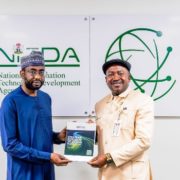
Similarly, National Information Technology Development Agency (NITDA), under Kashifu Inuwa Abdullahi, will outline priorities around digital infrastructure, talent development, innovation-driven regulation and public–private collaboration—areas critical to both economic growth and democratic resilience.
Operators, Infrastructure and the Digital Backbone
From the operators’ perspective, WACC 2026 will spotlight the infrastructure powering Nigeria’s digital economy. Digital Realty Nigeria, represented by its Managing Director Ikechukwu Nnamani, will lead discussions on the strategic role of data centres in scaling digital services, attracting global capital and enabling local content hosting. Aishat Lewis, CEO of Arise Fund, leads a strategic dialogue on talent funding, job creation, and offshore capital as catalysts for scalable employment. Dr. Yele Okeremi, CEO of PFS Ltd, offers an incisive perspective on the convergence of digital payments, telecoms, and financial services as Nigeria’s next frontier of economic integration.
Honouring the Architects of Nigeria’s Digital Economy
A defining feature of WACC is its celebration of excellence. The 50 Most Influential Figures in Nigeria’s Digital Economy honours individuals and institutions driving innovation, capacity building and sector-wide growth. Often described as the digital economy’s “Oscars,” the awards recognise those laying the foundations for Nigeria’s digital future across policy, infrastructure, entrepreneurship and regulation.
According to Olusegun Oruame, CEO of Knowhow Media International, the awards are not just about recognition, but about inspiring the next generation of digital pathfinders and reinforcing collaboration between political leadership, regulators and the private sector.
Why WACC 2026 Matters Now
With ICT contributing over 18% of Nigeria’s GDP and global studies showing the digital economy’s potential to add tens of billions of dollars to national output in the coming decade, WACC 2026 arrives at a pivotal moment. As Nigeria approaches the 2027 elections, decisions made around technology, regulation and investment will shape economic outcomes for years to come.
WACC 2026 stands once again as the forum where technology, policy and politics converge—setting direction, building consensus and honouring those leading Nigeria’s digital transformation across sectors.