By
By 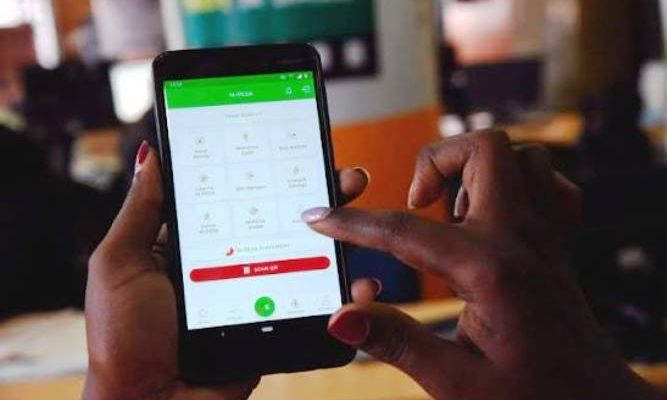
Blockchain-powered initiative targets faster, cheaper remittances and cross-border commerce across Africa
Global payments leader Visa has partnered with M-PESA Africa and pan-African digital payments network Onafriq to launch a live stablecoin payments pilot in the Democratic Republic of the Congo (DRC), marking another significant milestone in Africa’s rapidly evolving digital payments landscape.
RELATED: Why regulators remain cautious as Stablecoins gain traction in Africa’s digital payments push
The pilot programme leverages U.S. dollar-pegged stablecoins to settle cross-border mobile money transactions in the background, enabling faster and more cost-effective international payments while maintaining the familiar mobile money experience for users.
The initiative focuses on cross-border mobile wallet top-ups, international business transactions and remittances—areas where high transaction costs and settlement delays continue to constrain financial inclusion and intra-African trade.


The launch reinforces growing industry confidence that blockchain-powered payment infrastructure can complement traditional financial systems by improving efficiency without disrupting customer experiences.
Transforming Cross-Border Payments Behind the Scenes
Unlike conventional cryptocurrency payment systems, the pilot keeps the customer interface unchanged.
Consumers continue using their M-PESA wallets as they normally would, while merchants receive payments in their local currencies. The innovation occurs in the payment infrastructure, where stablecoins are used to settle transactions almost instantly through Visa’s Visa Pay Payments-as-a-Service platform.
This approach eliminates the need for users to understand or directly interact with digital assets, allowing blockchain technology to operate invisibly while improving payment speed and efficiency.
Pilot Targets High-Impact Payment Use Cases
The programme will initially support several strategic payment scenarios, including:
- Cross-border mobile wallet top-ups
- International business-to-business (B2B) payments
- Consumer remittances
- Cross-border merchant settlements
These use cases address some of Africa’s most persistent payment challenges, particularly the high cost and slow processing times associated with international money transfers.
Addressing Africa’s Costly Remittance Challenge
The pilot comes as financial institutions seek innovative ways to reduce the cost of sending money across borders.
According to the World Bank, the average cost of remittances to Sub-Saharan Africa remains close to 8 percent of the transfer value, making it one of the world’s most expensive remittance corridors.
Traditional international transfers often pass through multiple correspondent banks and payment intermediaries, increasing both costs and settlement times.
By using stablecoins as the settlement layer, the new payment model aims to reduce processing costs significantly while enabling near real-time transaction settlement.
The initiative could provide meaningful savings for millions of African families and businesses that depend on cross-border payments.
Stablecoins Gain Momentum in Global Payments
The DRC pilot reflects the growing role of stablecoins in mainstream financial services.
Unlike highly volatile cryptocurrencies, stablecoins maintain a fixed value by being pegged to established currencies such as the U.S. dollar, making them more suitable for commercial payments and international settlements.
Visa has steadily expanded its blockchain strategy in recent years, including previous collaborations with African cryptocurrency exchange Yellow Card to explore stablecoin-based treasury management and cross-border settlements.
The latest partnership demonstrates how stablecoins are increasingly being integrated into regulated payment ecosystems rather than operating solely within cryptocurrency markets.
Why the Democratic Republic of the Congo?
The Democratic Republic of the Congo presents a compelling environment for testing innovative payment technologies.
While mobile money adoption has accelerated significantly, formal banking penetration remains relatively low, with only about 30 percent of adults having access to traditional banking services.
Mobile financial platforms therefore play a critical role in expanding financial inclusion, making the country an ideal location to demonstrate how blockchain-enabled settlement can improve payment efficiency without requiring customers to change their behaviour.
The pilot also aligns with broader efforts to strengthen digital commerce across Central and East Africa.
Balancing Innovation with Regulatory Oversight
The introduction of U.S. dollar-backed stablecoins into one of Africa’s most dollarised economies also raises important regulatory considerations.
The Central Bank of Congo has been pursuing policies aimed at encouraging greater use of the Congolese franc while gradually reducing dependence on the U.S. dollar.
Although stablecoins in this pilot operate primarily as a settlement mechanism rather than a consumer-facing currency, regulators will likely monitor their impact on monetary policy, financial stability and digital payments governance.
The initiative underscores the growing need for regulatory frameworks that balance financial innovation with consumer protection and macroeconomic stability.
A New Chapter for Africa’s Digital Payments Ecosystem
The collaboration between Visa, M-PESA Africa and Onafriq illustrates how traditional payment networks, mobile money providers and blockchain technology are increasingly converging to modernise Africa’s financial infrastructure.
Rather than replacing existing payment systems, the pilot demonstrates how stablecoin technology can enhance established mobile money platforms by delivering faster settlement, lower transaction costs and greater efficiency for cross-border payments.
As Africa’s digital economy expands and demand for affordable international payment solutions continues to rise, stablecoin-enabled settlement could become an important component of the continent’s next generation of financial infrastructure.