By
By 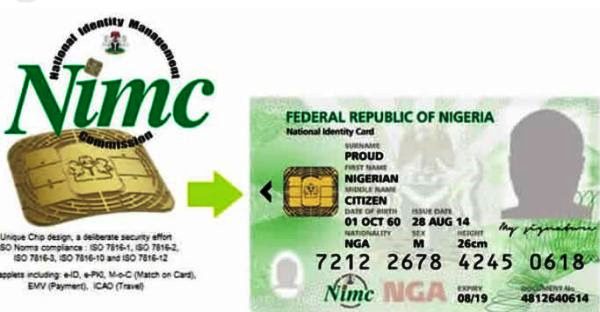
New NIMC Act Positions National Identity Database as Foundation for Better Governance, Financial Inclusion and Citizen-Centric Service Delivery
Nigeria has reached another major milestone in its digital transformation journey as the National Identity Management Commission (NIMC) announced that more than 136 million Nigerians and legal residents have now been enrolled into the National Identity Database (NIDB).
RELATED: Tinubu signs NIMC Act 2026, repositions digital identity as backbone of Nigeria’s digital economy
The achievement represents an increase of over 12 million new enrolments within eight months, significantly expanding the country’s trusted digital identity ecosystem as implementation begins under the newly enacted NIMC Act 2026.
Director-General of NIMC, Engr. Abisoye Coker-Odusote, disclosed the milestone during a stakeholder engagement with the Federal Ministry of Budget and Economic Planning, describing the expanded database as a critical national asset for improving governance, economic planning and inclusive digital service delivery.


The development comes as Nigeria accelerates implementation of the new identity law designed to establish a unified national identity framework under the principle of “One Person, One Identity.”
New NIMC Act Ushers in a New Era of Digital Identity Governance
According to a statement signed by NIMC’s Head of Corporate Communications, Kayode Adegoke, the new legislation repeals the National Identity Management Commission Act of 2007, replacing it with a more comprehensive legal framework that aligns Nigeria’s identity ecosystem with global digital identity standards.
The new Act officially positions the National Identification Number (NIN) as Nigeria’s single foundational identity credential while empowering NIMC to serve as the country’s Root Certificate Authority for digital identity.
Beyond identity management, the Commission now has expanded responsibilities covering:
- Digital identity credentials
- Cybersecurity governance
- Identity verification infrastructure
- Data protection
- Secure digital authentication
The reforms are expected to simplify identity verification across government and private sector platforms while reducing duplication across multiple identity databases.
136 Million Verified Identities Strengthen National Planning
The expanding identity database is expected to significantly improve evidence-based policymaking and national planning.
With over 136 million verified identities, government institutions can now generate more reliable demographic data to support:
- National development planning
- Budget preparation
- Infrastructure allocation
- Healthcare planning
- Education policy
- Labour market analysis
- Population-based resource distribution
A more comprehensive identity database also enables government to better understand population trends and improve the targeting of public investments.
Citizen Benefits Extend Beyond Identification
The growing National Identity Database is expected to deliver tangible economic and social benefits to millions of Nigerians.
A unified digital identity system makes it easier for citizens to access:
- Financial services and banking
- Digital payment platforms
- Government social intervention programmes
- Healthcare services
- Pension administration
- Tax services
- Passport and immigration services
- SIM registration
- Credit and lending platforms
By eliminating multiple identity systems, government agencies can also reduce fraud, improve efficiency and provide faster public services.
Supporting Financial Inclusion and Nigeria’s Digital Economy
The strengthened identity infrastructure is expected to accelerate Nigeria’s digital economy ambitions.
Identity verification remains one of the biggest enablers of:
- Digital banking
- Fintech innovation
- Electronic Know-Your-Customer (e-KYC)
- Mobile money adoption
- Digital lending
- E-commerce
- Cross-border digital transactions
With millions more Nigerians now possessing verified digital identities, financial institutions can onboard customers more efficiently while reducing identity fraud and compliance costs.
Minister Calls for One Trusted National Identity System
Minister of Budget and Economic Planning, Senator Abubakar Atiku Bagudu, described the new legislation as a significant step toward building a secure, efficient and inclusive national identity ecosystem.
According to him, the success of the law will ultimately depend on effective implementation and closer collaboration among federal, state and local governments.
He stressed that the National Identification Number should become Nigeria’s universally accepted identity standard, replacing fragmented identity systems currently maintained by different public institutions.
Bagudu noted that a harmonised identity framework would strengthen governance, improve service delivery and enhance the efficient allocation of national resources.
Expanded Identity Infrastructure Supports Better Governance
The “One Person, One Identity” framework is designed to eliminate duplicate records across government institutions while strengthening transparency and accountability.
By establishing a single trusted identity source, government agencies will be able to:
- Improve programme monitoring
- Reduce identity fraud
- Enhance tax administration
- Strengthen election and civic databases
- Improve beneficiary verification
- Deliver public services more efficiently
The initiative also supports Nigeria’s broader digital public infrastructure agenda.
Nigeria Aligns with Global Digital Identity Trends
Nigeria joins a growing number of countries investing heavily in secure digital identity systems as the foundation for digital economies.
Across the world, governments increasingly rely on integrated identity platforms to improve public administration, expand financial inclusion, support digital commerce and strengthen cybersecurity.
With more than 136 million registered identities, Nigeria continues to build one of Africa’s largest digital identity ecosystems, positioning the National Identification Number as the cornerstone of future digital government services.
A Strategic Milestone for Nigeria’s Digital Future
The latest enrolment figures underscore the growing importance of digital identity as national infrastructure rather than merely a registration exercise.
As implementation of the new NIMC Act gathers momentum, the expanded National Identity Database is expected to improve planning accuracy, strengthen economic governance, widen financial inclusion, and enable more efficient delivery of public services.
By combining trusted digital identities with stronger cybersecurity, data governance and digital credentials, Nigeria is laying the foundation for a more connected, inclusive and data-driven digital economy.