By
By 
NITDA Transfers PKI to NIMC to Strengthen Nigeria’s Digital Identity Ecosystem
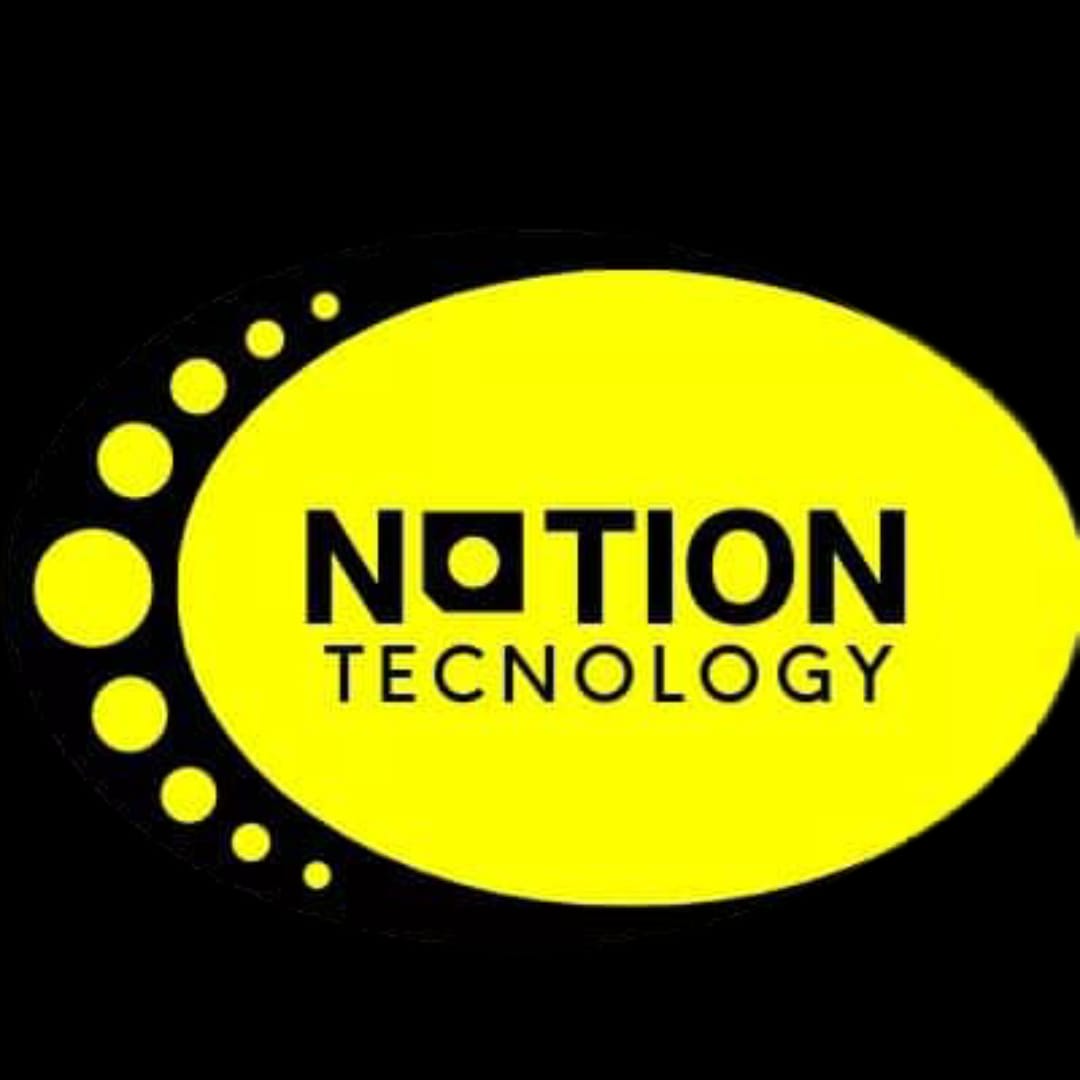
The National Information Technology Development Agency (NITDA) has formally transferred its Public Key Infrastructure (PKI) framework to the National Identity Management Commission (NIMC), marking a significant milestone in Nigeria’s drive to build a secure, interoperable and globally trusted digital identity ecosystem.
RELATED: NITDA and FUET partner to advance digital education and innovation
The handover, which includes technology assets, operational capabilities and technical support, is expected to strengthen the security architecture underpinning Nigeria’s digital identity programme while accelerating the delivery of trusted digital public services.
The transfer also reinforces the Federal Government’s broader Digital Public Infrastructure (DPI) strategy by providing the cryptographic trust framework required for secure digital identity verification, authentication and electronic transactions.

PKI to Serve as the Trust Layer for Nigeria’s Digital Identity
Speaking during the formal handover ceremony at NITDA’s Corporate Headquarters in Abuja, the Director General of NITDA, Kashifu Inuwa Abdullahi, described the transfer as a demonstration of inter-agency collaboration aimed at accelerating Nigeria’s digital transformation agenda.
He explained that NITDA has invested significantly in developing Public Key Infrastructure and other Digital Public Infrastructure components and would continue working closely with NIMC to ensure a seamless transition.
According to Abdullahi, the Agency remains committed to supporting government institutions deploying technology to improve governance, service delivery and economic development.
“NITDA has done extensive foundational work around Public Key Infrastructure and Digital Public Infrastructure. We will continue to work hand in hand with NIMC to ensure a seamless transition and support the successful implementation of this critical national asset,” he said.
Why Public Key Infrastructure Matters
Public Key Infrastructure is a globally recognised security framework that enables the creation, management, authentication and verification of digital identities through encrypted digital certificates.
As the foundation of trusted digital ecosystems, PKI secures electronic communications, digital signatures, online transactions and identity verification by ensuring that users, institutions and systems can securely exchange information with confidence.
Industry experts regard PKI as one of the essential trust frameworks required to support digital government services, financial technology, e-commerce, healthcare, cybersecurity and cross-border digital transactions.
Its adoption will significantly enhance Nigeria’s capacity to deliver secure digital public services while protecting citizens’ identities and sensitive information.
Supporting the New NIMC Act and Digital Identity Reform
The handover aligns with the recently enacted National Identity Management Commission (NIMC) Act, signed into law by President Bola Ahmed Tinubu, which modernises Nigeria’s legal framework for digital identity management.
The updated legislation provides the foundation for harmonising identity databases across government institutions while positioning the National Identification Number (NIN) as the primary credential for identity verification, authentication and access to public services.
By integrating PKI into the national identity architecture, Nigeria is expected to strengthen digital trust, improve interoperability among government platforms and enhance secure service delivery across both public and private sectors.
NITDA Reaffirms Commitment to Digital Public Infrastructure
Beyond the PKI transfer, Abdullahi reiterated NITDA’s broader commitment to driving nationwide technology adoption and strengthening Nigeria’s Digital Public Infrastructure ecosystem.
He noted that the Agency’s mandate extends beyond regulation to fostering innovation, enabling collaboration and ensuring that digital technologies remain accessible and beneficial to all Nigerians.
According to him, Digital Public Infrastructure has become as important to national development as physical infrastructure, serving as the digital foundation upon which modern economies operate.
He stressed that Nigeria must continue investing in secure, reliable and inclusive digital platforms capable of supporting innovation, digital commerce, financial inclusion and public sector efficiency.
NIMC: New Law Ushers in Modern Digital Identity Era
Speaking during the ceremony, the Director General and Chief Executive Officer of NIMC, Engr. (Dr.) Abisoye Coker-Odusote, expressed appreciation to NITDA for its support and described the newly enacted NIMC Act as a transformational milestone for Nigeria’s identity management ecosystem.
She explained that the legislation replaces the Commission’s nearly two-decade-old legal framework established in 2007 and creates the legal basis for transitioning from a conventional identity database to a modern digital identity ecosystem.
According to her, the reform introduces a structured approach that prioritises interoperability, security and efficiency across government and private sector platforms.
From Identity Cards to Secure Digital Credentials
Coker-Odusote said Nigeria is gradually moving away from traditional card-based identity systems towards secure digital credentials anchored on the principle of “One Person, One Identity.”
The approach provides every Nigerian with a unique, verifiable and secure digital identity capable of supporting access to government services, financial services and digital transactions.
She noted that the updated legal framework provides the necessary backing for deploying Public Key Infrastructure and other trust services required to secure digital interactions.
To maintain public confidence and safeguard citizens’ personal information, she added that the migration to the new digital identity ecosystem will be implemented in carefully managed phases.
Partnership to Accelerate Nigeria’s Digital Economy
Both agencies reaffirmed their commitment to sustained collaboration in advancing Nigeria’s digital transformation agenda.
Under the arrangement, NIMC will continue managing the country’s foundational digital identity infrastructure, while NITDA will focus on ecosystem development, digital regulation, technology adoption and innovation support.
The collaboration represents another important step towards building a trusted digital ecosystem capable of supporting e-government, digital commerce, financial inclusion and a secure digital economy.
As Nigeria accelerates implementation of Digital Public Infrastructure initiatives, stronger institutional collaboration between agencies such as NITDA and NIMC is expected to enhance cybersecurity, improve public service delivery and strengthen citizens’ confidence in digital government platforms.