By
By 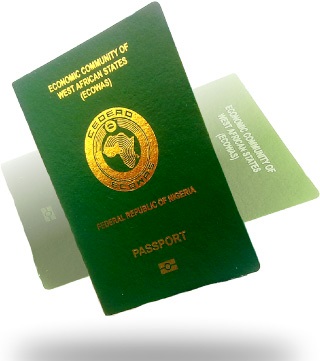
ICAO Public Key Directory integration enables real-time global authentication of Nigerian e-passports, reduces airport verification delays, and strengthens the country’s digital identity and border security architecture.
Nigeria has achieved a major milestone in its digital identity and border security transformation with the successful integration of its Country Signing Certificate Authorities (CSCAs) into the International Civil Aviation Organization (ICAO) Public Key Directory (PKD), significantly enhancing the global recognition and authentication of Nigerian electronic passports.
RELATED: Kenya partners with Veridos to launch next-generation ePassports with enhanced security and cultural identity
The landmark integration, completed on July 13, 2026, at ICAO Headquarters in Montreal, Canada, positions Nigeria among countries operating fully trusted biometric travel documents within the global aviation security ecosystem.


ALSO READ: UK to issue eVisas for Nigerian visitors from February 2026, ends passport stickers
The milestone was led by the Comptroller-General of the Nigeria Immigration Service (NIS), Kemi Nanna Nandap, as part of the Federal Government’s broader digital transformation agenda under the Ministry of Interior.
Major Boost for Nigerian Passport Holders
With Nigeria’s Country Signing Certificate Authorities now fully embedded within the ICAO Public Key Directory, border control authorities across ICAO member states can instantly verify the authenticity of Nigerian e-passports through a secure digital trust framework.
The development is expected to significantly reduce authentication challenges previously experienced by some Nigerian travellers at international airports, where immigration systems occasionally struggled to validate the cryptographic security features embedded in Nigerian biometric passports.
By establishing a globally trusted verification chain, Nigerian passport holders are expected to enjoy:
- Faster immigration clearance at international airports
- Reduced manual inspections and secondary screenings
- Improved compatibility with automated e-Gates and biometric border control systems
- Enhanced international acceptance of Nigerian travel documents
The integration effectively creates a secure digital “chain of trust” that enables participating countries to authenticate Nigerian electronic passports in real time.
Strengthening Nigeria’s Digital Border Security
Confirming the development, the Nigeria Immigration Service described the integration as a significant advancement in its ongoing digital transformation programme.
In a statement issued in Abuja by the Service Public Relations Officer, Deputy Comptroller of Immigration (DCI) Akinsola Akinlabi, the Service explained that the exercise was specifically designed to resolve passive authentication issues encountered by Nigerian passport holders at selected international border control points.

According to Akinlabi, integrating Nigeria’s Country Signing Certificate Authorities into ICAO’s Public Key Directory establishes a trusted international verification infrastructure for all Nigerian electronic travel documents.
“With the completion of the process, Nigerian passports can now be authenticated seamlessly by border control systems across all member states of the ICAO Public Key Directory,” he said.
He noted that the achievement would substantially improve the credibility, integrity and international acceptance of Nigerian passports while delivering a smoother travel experience for citizens.
Advancing Secure Digital Identity Management
Beyond facilitating international travel, the integration reinforces Nigeria’s commitment to secure digital identity management and global border security cooperation.
The Nigeria Immigration Service described the development as another strategic step towards strengthening the country’s immigration technology infrastructure through internationally recognised standards.
According to the Service, the initiative aligns with the Renewed Hope Agenda of President Bola Ahmed Tinubu’s administration, which prioritises digital public service delivery, enhanced national security and improved citizen services.
The successful deployment also reflects the Ministry of Interior’s ongoing efforts to modernise Nigeria’s immigration management systems through technology-driven reforms.
Supporting Global Interoperability
The NIS said the integration will further promote interoperability between Nigeria’s passport infrastructure and international border management systems, ensuring that Nigerian travel documents can be securely recognised across participating countries.
According to the Service, synchronising Nigeria’s passport authentication framework with ICAO’s global Public Key Directory strengthens international confidence in the country’s travel documents while improving cooperation among global immigration authorities.
The enhanced interoperability is also expected to support wider adoption of automated border control technologies, reducing processing times and improving security at ports of entry worldwide.
Enhancing Nigeria’s Global Passport Reputation
The Nigeria Immigration Service believes the successful integration will improve the international reputation of Nigerian passports by aligning them with global aviation security standards.
By eliminating verification bottlenecks and enabling trusted digital authentication, Nigeria joins an expanding network of countries leveraging Public Key Infrastructure (PKI) to combat passport fraud, identity theft and document forgery.
The Service reaffirmed its commitment to continuously adopting global best practices and emerging technologies to strengthen the integrity, security and international recognition of Nigerian travel documents.
Officials expressed confidence that the milestone would boost international confidence in Nigeria’s passport system while supporting safer, faster and more secure cross-border travel for millions of Nigerians.
A Strategic Milestone in Nigeria’s Digital Transformation
The integration of Nigeria’s passport authentication infrastructure into ICAO’s Public Key Directory represents more than a technological upgrade. It marks another important step in the country’s broader digital identity journey, where secure digital credentials are becoming increasingly central to public service delivery, international mobility and national security.
As governments worldwide deepen investment in trusted digital identity ecosystems, Nigeria’s successful integration demonstrates its commitment to meeting global standards while delivering safer, smarter and more efficient travel experiences for its citizens.