By
By 
₦300bn USSD Debt Finally Resolved
Banks and telecommunications operators in Nigeria have resolved a four-year dispute over nearly ₦300 billion owed for Unstructured Supplementary Service Data (USSD) services, with the outstanding liabilities now fully settled.
RELATED: USSD billing change begins today: Nigerians to pay ₦6.98 per session via airtime under new model
The resolution was confirmed by the Association of Licensed Telecommunications Operators of Nigeria (ALTON), marking a major breakthrough for Nigeria’s telecom and digital finance ecosystem.
NCC’s Intervention Ends Prolonged Industry Standoff
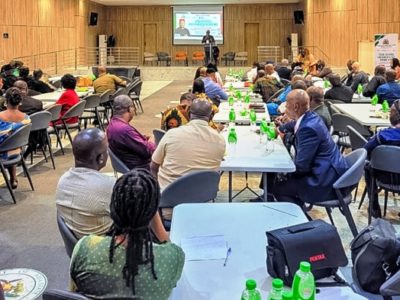
Speaking during an official visit to the Nigerian Communications Commission (NCC), ALTON Chairman Gbenga Adebayo credited the Commission’s leadership with bringing the crisis to a close.
The visit was hosted by NCC Board Chairman Idris Olorunnimbe, while Adebayo highlighted the role played by the NCC’s Executive Vice Chairman, Aminu Maida.
According to Adebayo, the USSD debt—accumulated over four years—had grown into a systemic risk for the telecom sector and Nigeria’s digital financial services landscape. He said firm leadership, structured engagement, and decisive coordination by the NCC were instrumental in resolving the impasse.
From Bank–Telco Disputes to End-User Billing
The USSD debt had long been a source of tension between telecom operators and Deposit Money Banks (DMBs). At its peak, liabilities owed to operators—including MTN and Airtel—were estimated at between ₦250 billion and ₦300 billion.
In January 2025, the NCC ordered mobile network operators to disconnect the USSD codes of nine financial institutions over unpaid debts, warning that the codes could be reassigned if obligations remained unsettled. This action followed earlier, unsuccessful interventions involving the Central Bank of Nigeria (CBN).
Shift to End-User Billing Model
A turning point came in mid-2025 with the introduction of the End-User Billing (EUB) model. Under this framework, USSD charges were moved from bank-led billing to direct deductions from customers’ mobile airtime.
The NCC, working with the CBN, designed the EUB system to standardise charges, improve transparency, and reduce disputes. USSD sessions are now billed at ₦6.98 for up to 120 seconds, with user consent required before each session. Banks no longer bill customers for USSD usage, while safeguards prevent double billing.
Migration to the new billing model took place between June 3 and 18, 2025, after partial repayments of about ₦171 billion. By February 19, 2026, banks had fully cleared the remaining debt, cementing the transition.
Impact on Telecoms and Digital Finance
The resolution restores financial certainty for telecom operators and strengthens the sustainability of USSD-based services, which remain critical for financial inclusion—especially among unbanked and underbanked Nigerians.
While concerns remain about the impact of airtime deductions on low-income users, the NCC maintains that user consent, session notifications, and opt-in or opt-out provisions offer greater transparency and control.
Industry stakeholders describe the settlement as a milestone that stabilises Nigeria’s telecom sector and reinforces confidence in the country’s digital financial infrastructure.