By
By 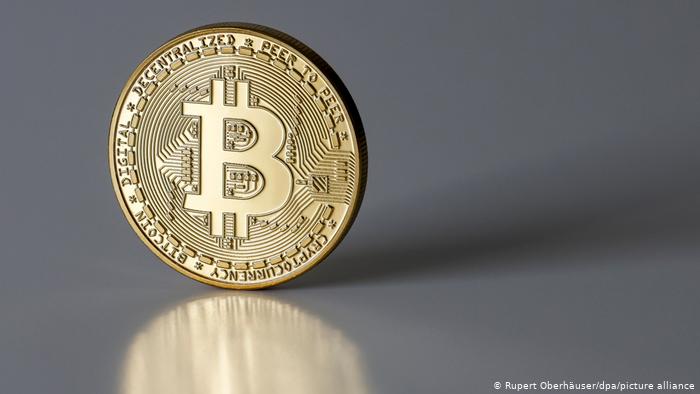
Quantum computing is moving faster than expected, and crypto isn’t keeping up. New TechGaged.com research, based on qLABS data, shows a clear divide in readiness, with Bitcoin ranking as the most vulnerable blockchain and Cardano emerging as the safest.
RELATED: Expert insights: What will be the first “killer application” for quantum computing?
The findings come from the qLABS Quantum Vulnerability Index (qLVI), which ranks the 10 largest Layer-1 blockchains based on their exposure to quantum risks, including market-value-at-risk, historical-data exposure, and preparedness. Here’s how the top 10 blockchains rank:
Top 10 Blockchains by Quantum Vulnerability


-
Bitcoin — 8.33
-
Hyperliquid — 7.90
-
BNB Chain — 7.87
-
Dogecoin — 7.77
-
Monero — 7.37
-
TRON — 6.83
-
Ethereum — 6.80
-
XRP Ledger — 6.30
-
Solana — 6.00
-
Cardano — 5.60
Bitcoin Is the Most Exposed Network to Quantum Risk
The Quantum Vulnerability Index (qLVI) scores each blockchain from 0 to 10, showing how exposure and preparedness translate into real-world risk, and the results are striking.
Four of the 10 blockchains have no quantum roadmap at all, and the other two only acknowledge the risk without a clear plan, leaving most of the market still unprepared. Among them, Bitcoin stands out as the most exposed.
Bitcoin tops the ranking with around $1.5 trillion at risk, 17 years of exposed on-chain data, and no clear path to quantum security. Hyperliquid follows, standing out for its complete lack of preparation, while BNB Chain remains among the most exposed due to its extensive ecosystem and lack of a formal quantum-readiness roadmap.
Hyperliquid Is the Only Top-10 Blockchain With No Quantum Preparation
Bitcoin ranks highest in overall risk, but Hyperliquid stands out for a different reason; it is the least prepared blockchain in the entire index.
Although both Bitcoin and Hyperliquid lack a clear roadmap, Hyperliquid goes further, earning the maximum Migration Unpreparedness score (MU = 10), with no roadmap, no leadership acknowledgment, and no visible discussion around quantum risk.
Hyperliquid may be the extreme case, but the broader picture isn’t much better, because the gap between exposure and preparedness remains wide across the market. Chains like BNB Chain, Dogecoin, and Monero also lack clear roadmaps, while TRON acknowledges the risk but still lacks actionable plans.
Cardano Leads as the Most Quantum-Prepared Blockchain
All major blockchains rely on encryption that could eventually be broken by a quantum computer; however, only four are actively preparing for that scenario.

Cardano ranks as the most quantum-prepared network, backed by years of research and a clear long-term strategy.
Ethereum follows closely, with a public roadmap, active research, and a defined migration timeline. XRP Ledger also ranks among the leaders, with a structured plan targeting full quantum readiness by 2028, and Slana has more recently introduced a public roadmap outlining research, new wallet adoption, and migration.
“The gap between quantum exposure and actual preparedness is widening rapidly. Our findings suggest that without clear migration strategies, even the largest blockchains could face systemic vulnerabilities once quantum capabilities reach a practical scale,” said Jastra Kranjec, research PR analyst at TechGaged.
Methodology
All figures are based on TechGaged research using data from the qLABS Quantum Vulnerability Index (April 2026), which ranks the 10 largest Layer-1 blockchains based on their exposure to quantum risk. Scores range from 0 to 10, with higher values indicating greater vulnerability. The index uses a weighted model combining market value at risk, data exposure, and preparedness to assess real-world vulnerability.
Full analysis, charts, and methodology are available here for reference and coverage: https://techgaged.com/quantum-vulnerability-index/