By
By 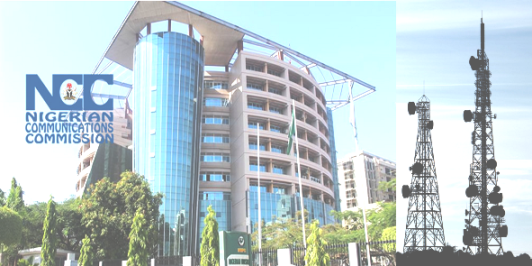
Regulator Targets Accountability in Nigeria’s Telecoms Sector
Nigeria’s telecoms regulator, the Nigerian Communications Commission (NCC), has directed mobile network operators (MNOs to automatically compensate both individual and corporate subscribers for prolonged or repeated poor network service, effective April 2026.
RELATED: NCC orders telecom operators to compensate subscribers for poor network quality
The directive covers service failures affecting voice calls, SMS, and data, and introduces an automatic compensation framework that removes the need for subscribers to submit complaints or applications.
Automatic Airtime Credits for Affected Subscribers
Under the new framework, subscribers in impacted Local Government Areas (LGAs) will receive direct airtime credits whenever network performance falls below NCC-defined Quality of Service (QoS) thresholds.
Operators are required to proactively identify affected users through network performance monitoring systems and credit eligible lines automatically. Subscribers will receive SMS notifications confirming the compensation, including details of the airtime amount and the reason for the credit.
Eligibility Conditions Explained
According to the NCC, to qualify for compensation:

- The subscriber must have experienced poor network service in an affected LGA.
- The subscriber must have made at least one outgoing, revenue-generating activity—such as a billed call, SMS, or data session—during the affected period.
Both prepaid and postpaid customers, including corporate subscribers, are covered. However, for users with multiple SIM cards, only lines that were active and billed in the impacted location will be credited.
Subscribers who switch to another operator during or after a service outage will not be eligible for compensation from the previous network.
What Qualifies — and What Does Not
Only prolonged or repeated service failures that fall below regulatory thresholds will qualify for compensation. Short-lived or quickly resolved outages are excluded, as are service disruptions that occurred before November 2025.
Exceptional circumstances—such as fibre cuts, vandalism, theft, or natural disasters—will be reviewed by the regulator before compensation is approved.
The framework applies only to Nigerian mobile network operators. Internet Service Providers (ISPs) operate under a separate compensation regime, while foreign SIMs roaming in Nigeria are excluded. Subscribers on national roaming may qualify, subject to host network assessment.

Rising Network Outages Prompt Regulatory Action
The NCC’s move comes amid persistent network disruptions across the country. In the first quarter of 2026, telecom operators recorded 577 network outages, with 361 incidents linked to fibre cuts. MTN and Backbone Connectivity reportedly accounted for about 70% of these incidents.
Despite ongoing investments by operators to upgrade infrastructure and expand coverage, fibre vandalism and right-of-way challenges continue to impact service quality nationwide.
Airtime Credits and Continued Enforcement
The airtime credits issued will have no usage restrictions and can be applied to calls, USSD services, and data subscriptions on the operator’s network.
The NCC stressed that the new directive does not replace existing consumer protection rules. Instead, it adds a direct compensation layer alongside regulations such as the Consumer Code of Practice Regulations 2024 and the Quality of Service Regulations 2024.
Operators may still face regulatory fines for severe or repeated service failures, in addition to subscriber compensation. Compliance will be closely monitored, and the commission may conduct independent audits through reputable audit firms.
Tower companies, meanwhile, are mandated to reinvest fines into infrastructure upgrades aimed at improving overall network reliability.