By
By 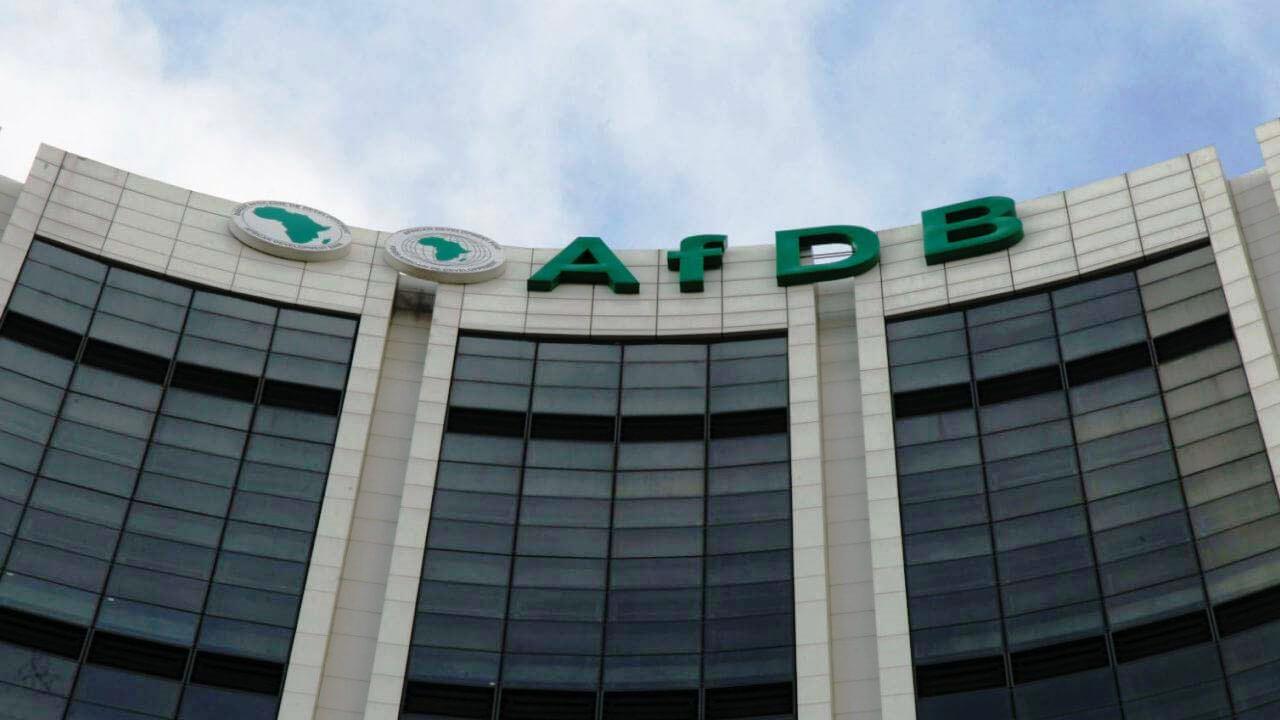
By Osasome, C.O
The Digital Value Chain Infrastructure for Boosting Employment (D-VIBE) project aims to connect all 774 local government areas to high-speed broadband, raise national broadband penetration to 70% by 2030, and transform Nigeria’s digital economy.
The African Development Bank (AfDB) Group has approved a $200 million loan to Nigeria to support a nationwide fibre-optic expansion and digital skills project aimed at boosting job creation, the bank announced on Friday.
RELATED: FG launches ₦12bn digital economy research clusters to drive evidence-based policy under Project BRIDGE
The project, known as the Digital Value Chain Infrastructure for Boosting Employment (D-VIBE) —also referred to as Project BRIDGE—seeks to deploy 90,000 kilometres of open-access fibre across the country, expanding Nigeria’s backbone network from approximately 30,000 kilometres to 120,000 kilometres.
This transformative initiative is expected to generate up to 2.8 million jobs over its lifecycle and increase national broadband penetration from 45% to approximately 70% by 2030, positioning Nigeria as a digital powerhouse in Africa.
Connecting Every Corner of Nigeria
The D-VIBE project will connect all 774 Local Government Areas to high-speed broadband, including:
- Schools and educational institutions
- Health facilities and hospitals
- Agro-industrial zones and rural communities
- Commercial hubs and urban centres
The initiative will also establish cross-border fibre links with neighbouring countries, including Benin, Cameroon, Niger, and Chad, reinforcing regional digital integration and trade connectivity.
“Nigeria has the talent, the market, and the ambition; what it has lacked is the backbone infrastructure to connect that potential to opportunity. D-VIBE changes that. From the north to the south, from farms to factories to classrooms, this investment will make high-speed connectivity a reality for every Nigerian community and give young people the tools to build their futures digitally,” said Abdul Kamara, Director General of the African Development Bank Group Nigeria Office.
Impact on Nigeria’s Digital Economy
The D-VIBE project represents a generational leap for Nigeria’s digital ecosystem. By expanding the national fibre backbone from 30,000 km to 120,000 km, the initiative will:
| Impact Area | Expected Outcome |
|---|---|
| Broadband Penetration | Increase from 45% to 70% by 2030 |
| Job Creation | Up to 2.8 million jobs over project lifecycle |
| Connectivity | All 774 LGAs connected to high-speed broadband |
| Regional Integration | Cross-border fibre links with four neighbouring countries |
| Digital Skills | Large-scale skills development programmes |
| Affordable Devices | Address demand-side barriers to digital adoption |
| Cybersecurity | Support enabling cybersecurity and market competition policies |
| Resilience | Increased use of hybrid and renewable power |
Public-Private Partnership Model
D-VIBE is structured as a public-private partnership (PPP) through a Special Purpose Vehicle (SPV) , with:
- Public ownership capped between 25% and 49%
- Private sector participation between 51% and 75%
This innovative financing model addresses critical rollout constraints, including:
- High construction costs
- Right-of-Way (RoW) expenses
- Infrastructure deployment challenges
Financing Structure: An $800 Million Sovereign Package
The African Development Bank Group is providing a $200 million loan as part of an $800 million sovereign financing package for the project, alongside contributions from other development finance institutions:
| Financing Source | Amount |
|---|---|
| African Development Bank (AfDB) | $200 million |
| World Bank | $500 million |
| European Bank for Reconstruction and Development (EBRD) | $100 million |
| European Union (EU) | €22 million (grant) |
| Multilateral Cooperation Center for Development Finance (MCDF) | $2.6 million (project preparation grant) |
| Private Sector Investment | At least $1.2 billion |
Total project financing is estimated at $2 billion.
The project is supported through a working group of development finance institutions, co-led by the Nigerian government and the African Development Bank Group, which will align design choices, technical studies, and financing.
Addressing Barriers to Digital Adoption
Beyond infrastructure, the D-VIBE project aims to address demand-side barriers to digital use through:
- Affordable devices to reduce the cost of entry for individuals and businesses
- Large-scale skills development programmes to build digital literacy and technical expertise
- Support for digital platforms in priority sectors, including agriculture, education, health, and commerce
The initiative will also support enabling cybersecurity and market competition policies, while applying criteria—including increased use of hybrid and renewable power—to build resilience and sustainability.
Strategic Alignment with National and Continental Agendas
The D-VIBE project aligns with multiple strategic frameworks:
- Nigeria’s Vision 2050
- National Development Plan
- Renewed Hope Development Plan (2026–2030)
- African Union’s Agenda 2063
- African Development Bank’s Ten-Year Strategy (2024–2033)
A Transformative Moment for Nigeria’s Digital Future
Nigeria is Africa’s most populous country and West Africa’s largest market, with the digital economy increasingly becoming a major contributor to GDP. The D-VIBE project is expected to close connectivity gaps and support productivity and job creation on an unprecedented scale.
Abdul Kamara, Director General, African Development Bank Group Nigeria Office, noted that Nigeria’s growth potential has been constrained by limited digital infrastructure. D-VIBE changes that narrative.
D-VIBE Project moves toward Implementation
With the AfDB loan approval secured, the D-VIBE project now moves toward implementation. The initiative is expected to:
- Create up to 2.8 million jobs over its lifecycle
- Raise broadband penetration from 45% to approximately 70% by 2030
- Connect all 774 LGAs to high-speed broadband
- Establish cross-border fibre links with four neighbouring countries
- Support digital skills development for millions of Nigerians
- Enable affordable device access to bridge the digital divide
- Strengthen cybersecurity and competition policies
- Promote renewable energy integration for sustainable digital infrastructure
This landmark investment positions Nigeria to become a digital hub for West Africa and the continent, unlocking economic opportunities for individuals, businesses, and communities across the nation.