By
By 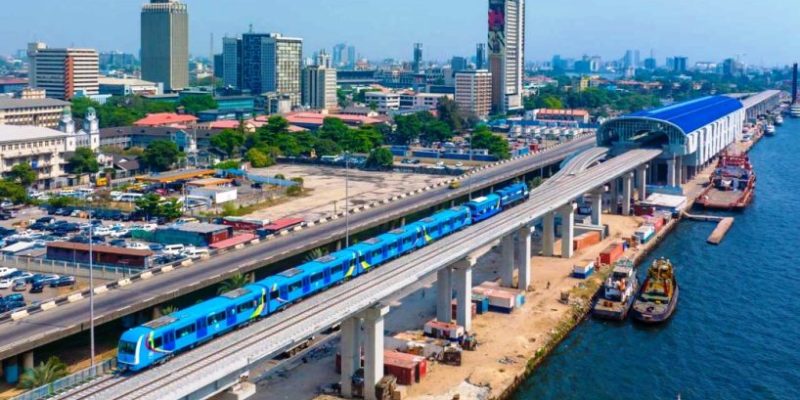
Lagos Targets Global Financial Hub Status Through LIFC
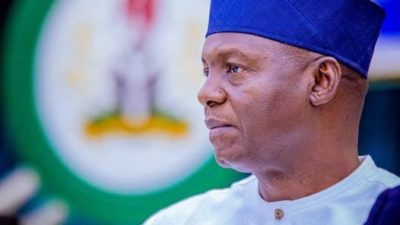
Governor Babajide Sanwo-Olu of Lagos State has called on stakeholders across the public and private sectors to sustain collaboration aimed at positioning Lagos as a leading global financial hub through the Lagos International Financial Centre (LIFC).
RELATED: Lagos to digitise telecom infrastructure approvals with new TIRS platform by Feb 2026
The governor made the call at the official launch of the LIFC Phase 1 Report in Lagos, according to a statement issued by his Special Adviser on Media and Publicity, Mr. Gboyega Akosile.
Lagos’ Strategic Advantage in Finance and Technology
Lagos remains Nigeria’s foremost hub for technology and financial services, serving as the country’s commercial nerve centre. As of 2025–2026, the city is recognised as the world’s fastest-growing tech city, with an ecosystem valued at over $15 billion and accounting for more than 70 per cent of Nigeria’s total tech investments.
Key highlights of Lagos’ economic strength include:
- Tech Ecosystem Leadership: Home to five major African tech unicorns—Interswitch, Flutterwave, Jumia, OPay, and Moniepoint—which attracted over $6 billion in foreign funding between 2019 and 2024.
- Financial Centre Status: Hosts the Nigerian Exchange (NGX) and headquarters of all major Nigerian banks, driving over 80 per cent of Nigeria’s foreign trade flows.
- Startup Concentration: Nearly 90 per cent of Nigeria’s startups operate in Lagos, making it the engine of digital innovation in West Africa.
- Growth Drivers: A vibrant fintech and logistics ecosystem powered by a young, tech-savvy population and targeted initiatives such as the LIFC.]
- Economic Impact: Lagos contributes approximately 25 per cent of Nigeria’s total GDP.
LIFC Designed to Attract Global Capital
Speaking at the event, Governor Sanwo-Olu said the LIFC project, conceived about two years ago, was designed to attract international capital, deepen Nigeria’s financial markets, and create sustainable economic opportunities.

“The foundation we are laying today is for the future of our economy, our children, and generations to come. This is not just about Lagos; it is about building an economic legacy that will transform Nigeria’s financial ecosystem,” the governor said.
As Chairman of the LIFC Council, Sanwo-Olu reaffirmed his administration’s commitment to establishing the financial centre as a strategic economic reform to enhance Nigeria’s global competitiveness.
Institutional Framework Over Personality-Driven Models
The governor stressed that the LIFC has been deliberately structured to be institutional rather than personality-driven.
“We have designed a model that involves both state and national institutions so that the project becomes institutional. It is about building a sustainable structure that will outlive any administration,” he said.
He commended EnterpriseNGR for driving the initiative and expressed appreciation to the United Kingdom Government and TheCityUK for providing technical and financial support during the project’s formative stage.
Phase 2 to Focus on Policy and Legislative Reforms
Earlier, Co-Chairman of LIFC, Mr. Aigboje Aig-Imoukhuede, described the project as a product of strong collaboration between government and the private sector to stimulate financial and economic growth.
He noted that the completion of Phase 1 marked a major milestone, while Phase 2 would focus on policy reforms, legislative frameworks, and resource mobilisation.

“The scale and impact of the Lagos International Financial Centre will go beyond the Nigerian Exchange. It will strengthen capital mobilisation, expand financial institutions, and position Nigeria as a global financial destination,” Aig-Imoukhuede said.
UK Applauds Lagos’ Financial Centre Vision
The British Deputy High Commissioner to Nigeria, Mr. Jonny Baxter, applauded the Lagos State Government and EnterpriseNGR for strengthening collaboration with federal institutions.
According to him, a well-structured international financial centre would unlock both domestic and international capital flows needed for infrastructure development, job creation, and economic growth.
“These resources will support infrastructure development, boost productive sectors, and create employment opportunities,” Baxter said.
Stakeholder Collaboration Critical to Success
Also speaking, Lagos State Commissioner for Finance, Mr. Abayomi Oluyomi, said the success of the LIFC would depend largely on sustained collaboration with investors and key stakeholders.
He expressed confidence that the LIFC would emerge as a globally competitive platform capable of transforming Lagos into a major international financial destination.
The Lagos International Financial Centre is a joint initiative of the Lagos State Government and EnterpriseNGR, designed to provide a clear strategy and implementation pathway for deepening Nigeria’s financial markets and fostering innovation.