By
By 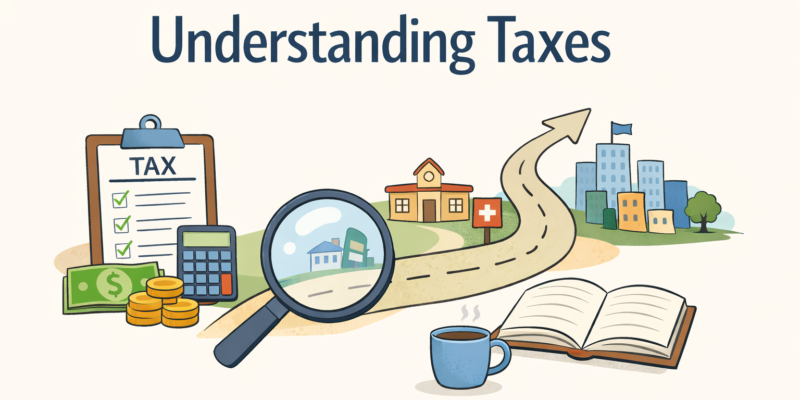
Taxes often feel like a shadow in the corner of the room always present yet not fully understood. Many people tense up at the thought of forms rates or deadlines. A calm look at how taxes function can take the edge off this anxiety and help create a more grounded view of the entire system.
RELATED: FirstBank announces SMEConnect Webinar to help small businesses navigate Nigeria’s new tax law
A broader understanding grows when information feels easy to reach. For instance through z-library people can reach a vast and diverse book collection that covers topics from basic policy to deep economic thought. When knowledge flows freely fears start to shrink and the tax world begins to look less like a maze and more like a map that anyone can follow.
Why Taxes Inspire Worry
Taxes often stir worry because they appear rigid and full of hidden twists. In truth the system follows clear rules shaped by long debates and public needs. These rules help fund roads schools and emergency services. When that purpose becomes clear taxes lose some of their mystery and take on a more human scale.
This shift works like adjusting a camera lens. At first everything feels too close and sharp. Pull back and the picture softens. A person who understands how tax brackets work sees the logic behind rising rates rather than a trap waiting to spring. That insight often brings peace of mind. Now the next point needs more attention:

- The Role of Fair Shares
A fair share model helps balance the needs of a community and the ability of each person to contribute. This idea has shaped public finance for centuries and it still guides lawmakers today. Once the purpose of fair shares is clear the system feels less like an obstacle and more like a civic tool. People begin to see their own part in a larger circle of support and this new understanding eases stress.
- The Flow of Money
Money moves through the tax system like water in a riverbed. It enters through earnings property and trade then flows toward public priorities. When the path is visible the river no longer feels wild. People gain confidence as they watch funds support education health care and safety. This flow ties personal effort to shared outcomes which builds a sense of connection rather than fear.
- The Power of Knowing the Rules
Knowing tax rules turns fog into daylight. Basic terms like deductions credits and thresholds give structure to decisions all year long. With these ideas in hand filing becomes a straightforward task. People feel more prepared because they can predict the impact of choices such as saving or investing. Knowledge gives steady footing and reduces the weight of uncertainty.
Understanding deepens further when new tools enter the scene. Some readers find guidance from trusted e library sources including https://z-lib.pub which often points them toward thoughtful voices on policy and personal finance.
Building Steady Confidence
Confidence grows step by step as information shifts from abstract to familiar. Many people start with the basics then add details as needed. In time taxes become part of the rhythm of life rather than a storm cloud building on the horizon.

A steady mind also comes from hearing diverse opinions. Economists teachers and authors all offer different angles. Their stories make complex ideas easier to absorb. When taxes become part of everyday conversation they lose their sting and open the door to clearer thinking.
A Practical Way Forward
Small habits help keep fear at bay. Setting aside time for simple record keeping makes the year smoother. Talking with trusted advisers strengthens understanding. Choosing to stay informed creates a sense of control rather than reaction.
Over time these habits weave into a balanced approach. Taxes stop feeling like a riddle and start feeling like a normal civic duty with clear steps and predictable outcomes. The task remains important yet no longer overwhelming.