By
By 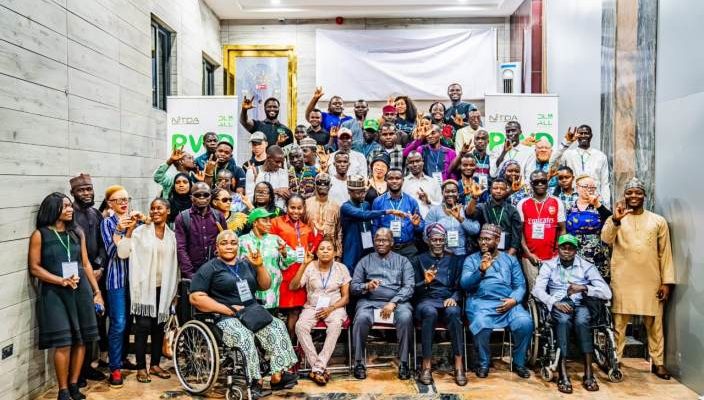
NITDA Advances Inclusive Digital Skills for Persons with Disabilities
The National Information Technology Development Agency (NITDA) has reaffirmed its commitment to building an inclusive digital economy. This followed the successful completion of a two-day digital literacy training programme for persons with disabilities (PWDs) in Abuja.
RELATED: Nigeria’s NITDA deepens U.S. alliance for data Privacy, AI, and cyber defense
The initiative, delivered under NITDA’s Digital Literacy for All (DL4ALL) programme, equipped 50 participants with practical digital skills. All of these designed to improve their participation and competitiveness in Nigeria’s rapidly expanding digital economy.
Accessibility at the Heart of Nigeria’s Digital Transformation
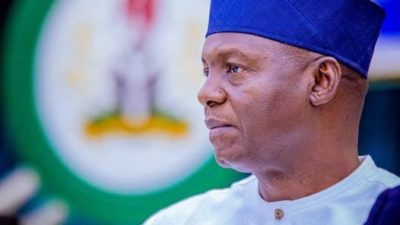
Speaking at the close of the programme, NITDA’s Director-General, Kashifu Inuwa Abdullahi, emphasised that accessibility remains a non-negotiable pillar of Nigeria’s national digital transformation agenda.
Meaningful digital progress is impossible without inclusive access to platforms, tools, and opportunities for persons with disabilities. He said true advancement requires digital ecosystems that are universally accessible and equitable particularly to persons with disabilities.
“In many cases, the challenge is not the absence of digital tools but the lack of accessibility. Platforms that do not support assistive technologies, captioned content, or accessible web design effectively shut people out and limit opportunities,” Abdullahi stated.
He noted that millions of Nigerians with disabilities remain constrained by digital environments that fail to accommodate their needs, thereby limiting economic participation and social inclusion.
Aligning with the Renewed Hope Agenda
Abdullahi explained that the training programme aligns with President Bola Ahmed Tinubu’s Renewed Hope Agenda, which prioritises inclusivity as a catalyst for national development.
He stressed that persons with disabilities should be recognised as productive contributors to economic growth rather than dependants on social welfare.
“When equipped with the right digital skills and technologies, persons with disabilities become innovators, entrepreneurs, and professionals who contribute meaningfully across multiple sectors,” he added.
Strategic Partnerships Driving Digital Inclusion
The NITDA Director-General acknowledged the role of Inclusive Friends Association (IFA) and SIMBED in delivering the training, describing the collaboration as a strong example of how partnerships between government and civil society can accelerate inclusive digital development.
DL4ALL Programme Targets 95% Digital Literacy by 2030
Highlighting NITDA’s broader digital literacy strategy, Abdullahi noted that the DL4ALL initiative is a core component of the agency’s Strategic Roadmap and Action Plan, which aims to achieve 70 per cent digital literacy by 2027 and 95 per cent by 2030.
He explained that the programme operates across three major tracks:

- Informal Sector Track: Over 480,000 Nigerians trained across 30 states and the Federal Capital Territory since September 2024.
- Education Sector Track: Focused on embedding digital skills into formal learning institutions.
- Workforce Readiness Track: Designed to strengthen digital competence across public and private sector organisations.
“This is not a pilot programme. It is proof that inclusive and intentional training delivers results, and that persons with disabilities can excel when given equal opportunities,” Abdullahi stated.
Stakeholders Commend NITDA’s Inclusive Leadership
Also speaking, Mr Daniel Onunkwo, Managing Director and Chief Executive Officer of SIMBED, described the training as a critical step towards bridging Nigeria’s digital inclusion gap for persons with disabilities.
He noted that the initiative sends a strong message about equity, opportunity, and national progress, reaffirming SIMBED’s commitment to expanding digital empowerment for PWDs.
Similarly, Grace Jerry, Executive Director of Inclusive Friends Association, represented by Tracy Agbamu, commended NITDA for demonstrating intentional leadership in advancing inclusion under the Renewed Hope Agenda.
She urged participants to continue applying the skills acquired and to serve as advocates for digital inclusion within their communities.
Building a Digitally Inclusive Nigeria
The training programme further reinforces NITDA’s vision of creating a digitally inclusive Nigeria. A country where access to digital opportunities is driven by empowerment, innovation, and skills, rather than limited by physical ability.