By
By 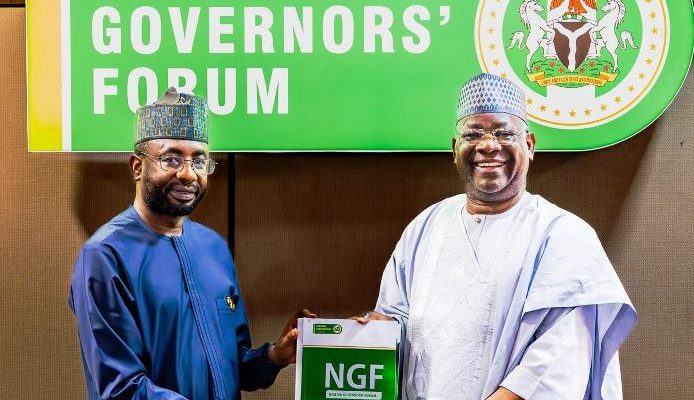
Forging a National Digital Alliance for Inclusive Growth
To unlock inclusive growth for all Nigerians, the Director General of the National Information Technology Development Agency (NITDA), Kashifu Inuwa Abdullahi, has called for a deeper digital alliance between federal, state, and local governments.
RELATED: Nigeria strengthening cybersecurity and AI readiness to safeguard digital future — NITDA DG
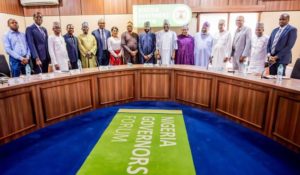
During a high-level visit to the Nigeria Governors’ Forum (NGF) Secretariat in Abuja, Abdullahi emphasized that digital transformation is a national vision that must involve every level of government to succeed.
“Our mandate isn’t just federal—it’s truly national, which means it must embrace state and local governments,” Abdullahi stated.
He urged states to strengthen collaboration frameworks that embed NITDA’s digital initiatives within their structures, ensuring that the benefits of technology reach communities nationwide.
Nigeria’s Digital Leap: From 0.5% to 17% of GDP
Abdullahi showcased Nigeria’s remarkable progress in the digital space. When NITDA began operations, fewer than 500,000 Nigerians used computers, and ICT contributed less than 0.5% to GDP. Today, the country boasts over 130 million internet users, with ICT contributing more than 17% to national GDP.

He attributed this transformation to strategic partnerships among government institutions, private sector organizations, and international development partners that have collectively powered Nigeria’s digital revolution.
Driving Literacy and Talent Through NITDA’s Strategic Roadmap
Reaffirming NITDA’s vision of a digitally empowered nation, Abdullahi explained that the agency’s Strategic Roadmap and Action Plan (SRAP) is anchored on eight pillars. The first—Fostering Digital Literacy and Cultivating Talent—remains a top priority.
NITDA aims to achieve 70% digital literacy by 2027 and 95% by 2030, through initiatives such as:
- The 3 Million Tech Talent (3MTT) Programme
- The National Digital Literacy Framework (NDLF)
The agency is also partnering with the Federal Ministry of Education, National Universities Commission (NUC), and National Board for Technical Education (NBTE) to integrate digital skills training into school curricula nationwide.
Building Human Capacity and Empowering Youth
Highlighting the importance of capacity building, Abdullahi announced ongoing partnerships with the Head of the Civil Service of the Federation and the National Youth Service Corps (NYSC) to train civil servants and corps members.
Through the NYSC Digital Literacy Champions Initiative, NITDA expects to reach over 10 million Nigerians annually, especially within the informal sector.

“No one succeeds in isolation. We must work as an ecosystem to create prosperity and inclusivity through technology,” he added.
Collaborative Pathways: ICEGOV and Digital Nigeria Conference
Abdullahi invited state governments to participate actively in NITDA’s upcoming International Conference on Electronic Governance (ICEGOV) and Digital Nigeria Conference, which aim to promote cross-state learning and collaboration in digital governance.
He reaffirmed NITDA’s commitment to leveraging partnerships to integrate technology into governance and enhance public service delivery across all levels of government.
NGF Reaffirms Commitment to Digital Transformation
In his response, Dr. Abdulateef Shittu, Director General of the Nigeria Governors’ Forum (NGF), commended NITDA’s leadership in advancing Nigeria’s digital economy, describing the visit as a milestone in intergovernmental collaboration.
“We deeply appreciate your leadership and the critical role NITDA continues to play in advancing Nigeria’s digital economy. In an era where technology defines competitiveness and opportunity, your work stands at the heart of our nation’s transformation,” Dr. Shittu stated.
Building the Foundations of Subnational Digital Reform
Dr. Shittu emphasized that digital transformation is a national imperative, capable of improving public service delivery, expanding opportunities, and uplifting millions of Nigerians.
He highlighted the NGF’s ongoing efforts, including the Digital Public Infrastructure (DPI) Readiness Report and the Intelligent Revenue Authority Readiness Report, which guide subnational digital reforms in:
- Digital identity
- Data exchange
- Payments and trust systems
“With strong partnership and shared accountability, we will unlock a future where every Nigerian, urban or rural, has access to the tools and opportunities of the digital age,” he affirmed.