By
By 
NITDA Reaffirms Commitment to Creative Economy Growth
In alignment with the Federal Government’s drive to diversify Nigeria’s economy through industrialisation, digitisation, manufacturing, and the creative arts, the National Information Technology Development Agency (NITDA) has reaffirmed its commitment to accelerating the growth of Nigeria’s creative and arts industry through targeted digital initiatives, enabling regulations, and strategic infrastructure development.
RELATED: Africa’s creative digital economy
The Agency says its interventions are designed to unlock the full economic potential of the creative sector, positioning it as a major contributor to national development and global competitiveness.
Building a Technology-Driven Ecosystem for Creators
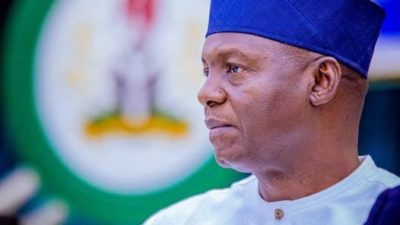
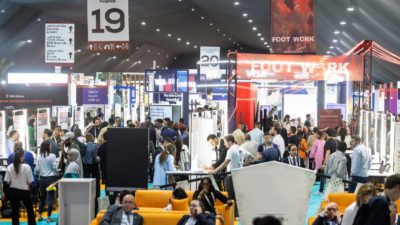
Speaking at Moment 2026, Africa’s largest convergence of creators, NITDA’s Director General, Kashifu Inuwa Abdullahi, emphasised that the Agency is focused on building a robust, technology-driven ecosystem where Nigerian creators can innovate, scale, and compete globally.

Dr Ayodeji Eniola
Represented at the event by the Director of the DG’s Office, Dr Ayodeji Eniola, Abdullahi highlighted the growing economic relevance of the sector, noting that Nigeria’s creative industry—currently valued at over $9 billion—could exceed $13 billion in the coming years if supported by the right digital and policy frameworks.

Creativity as an Economic Force
“Nigeria has always been a nation of storytellers, musicians, filmmakers, designers, and innovators. What is remarkable today is that this creativity has evolved beyond cultural expression to become a powerful economic force,” Abdullahi said.
He stressed that creativity and technology are now inseparable, with connectivity, computing power, digital platforms, and data forming the backbone of modern creative production and global distribution.
Digital Talent Development at the Core
At the heart of NITDA’s strategy is digital talent development. Abdullahi explained that through flagship programmes such as the 3 Million Technical Talent (3MTT) initiative, the Agency is equipping young Nigerians with in-demand skills in animation, visual effects, game development, and digital media—preparing them for opportunities in the fast-expanding global creator economy.
“A smartphone, a laptop, and access to the internet can enable a young Nigerian to reach millions of people around the world,” he noted.
Infrastructure, Regulation, and Emerging Technologies
To support this transformation, NITDA is driving the deployment of critical digital infrastructure, including the National Sovereign Cloud Initiative, which provides secure and scalable local computing resources for creators and digital entrepreneurs. The Agency is also supporting national broadband expansion efforts such as Project BRIDGE to improve connectivity and widen participation in the digital economy.
In parallel, Abdullahi said NITDA is strengthening regulatory frameworks around cybersecurity, data protection, and digital trust—key to safeguarding intellectual property and ensuring safe participation in online platforms.
He added that through the National Centre for Artificial Intelligence and Robotics (NCAIR), the Agency is advancing research and capacity building in artificial intelligence, enabling creators to integrate cutting-edge tools into content production, digital storytelling, and creative innovation.

Creativity as National Influence
Reinforcing the broader national vision, Abdullahi urged young creators to recognise the global and economic significance of their work.
“Your creativity is not just entertainment. It is innovation, intellectual property, economic opportunity, and national influence,” he said.
He reiterated that NITDA will continue to implement forward-looking policies, expand digital infrastructure, and foster innovation ecosystems that empower Nigeria’s creative sector to grow sustainably, create jobs, and contribute meaningfully to the country’s economic diversification agenda.