By
By 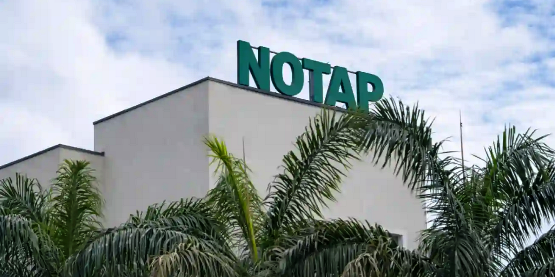
Nigerian Software Developers Record $1m in App Sales
The National Office for Technology Acquisition and Promotion (NOTAP) has disclosed that Nigerian software developers have achieved a major milestone, with locally developed applications generating over $1 million in sales across domestic and regional African markets.
RELATED: Nigeria to block harassing loan apps, says FCCPC
The Director-General of NOTAP, Dr Obiageli Amadiobi, made this known during an interview with the News Agency of Nigeria (NAN) on Thursday in Abuja, describing the achievement as evidence of the growing maturity of Nigeria’s digital innovation ecosystem.
NOTAP’s Targeted Interventions Drive Growth
Amadiobi attributed the milestone to deliberate policy interventions and capacity-building initiatives implemented by NOTAP to support local innovators.
According to her, these initiatives focus on strengthening technical skills, protecting intellectual property (IP), and linking Nigerian developers to viable market opportunities.
“This progress reflects how local innovation is increasingly powering Nigeria’s digital economy,” she said, adding that structured support has helped developers transition from ideas to commercially viable products.

Intellectual Property Protection as a Critical Enabler
The NOTAP boss stressed that a major turning point for many developers was understanding the importance of intellectual property rights, which she said many innovators previously overlooked.
“Whether it is a literary work, laboratory invention, or digital product, the process of transforming an idea into a usable solution requires time, skill, and dedication,” Amadiobi explained.
She warned that failure to protect IP exposes innovators to the risk of having their ideas copied, patented by others, and commercially exploited without recognition or compensation.
Digital Piracy Remains a Major Challenge
Amadiobi noted that digital piracy and counterfeiting continue to pose significant threats to Nigeria’s ICT and creative sectors.
“From copied software applications to duplicated content on platforms like TikTok, unauthorised replication has become a serious barrier to growth,” she said.

She observed that many digital creators and online personalities with unique styles often do not realise their work can be protected through formal IP registration.
Local Vendor Policy Unlocks Opportunities for Developers
To address these challenges, NOTAP introduced a multi-pronged strategy, with the Local Vendor Policy as a core component.
The policy requires foreign technology firms operating in Nigeria to partner with local companies and allocate a portion of their technical service fees to domestic vendors.
According to Amadiobi, this framework has helped local developers gain exposure, skills, and resources needed to build independent products.
Nigerian Apps Solving Local Problems at Scale
Amadiobi highlighted several high-impact Nigerian-developed applications already making a difference, including:
- A mobile health platform serving over 750,000 users across six states
- An agricultural marketplace linking smallholder farmers directly to buyers
- An education technology tool adopted by more than 200 schools to improve learning outcomes
She said these applications were built by teams that benefited directly from NOTAP’s support programmes.
Regional Expansion Fuels Revenue Growth
According to the NOTAP Director-General, over 60 per cent of the recorded app sales came from other African countries, underscoring the regional competitiveness of Nigerian software products.
“Three years ago, many of these developers were providing only support services to foreign firms,” she said. “Today, they are building products that compete across Africa.”
The $1 million milestone represents cumulative sales from more than 50 locally developed applications, with individual developers earning between $5,000 and $80,000 from their products.
NOTAP Targets Fintech, Climate, and Energy Innovation
Looking ahead, Amadiobi said NOTAP aims to double current sales figures by 2027, with plans to scale support for developers working in high-growth sectors.
“These include fintech, renewable energy management, and climate adaptation tools, which we have identified as critical areas for Nigeria’s future innovation,” she said.