By
By 
Nigeria Deploys Technology, Approves $54m Drug Procurement to Accelerate TB Eradication.
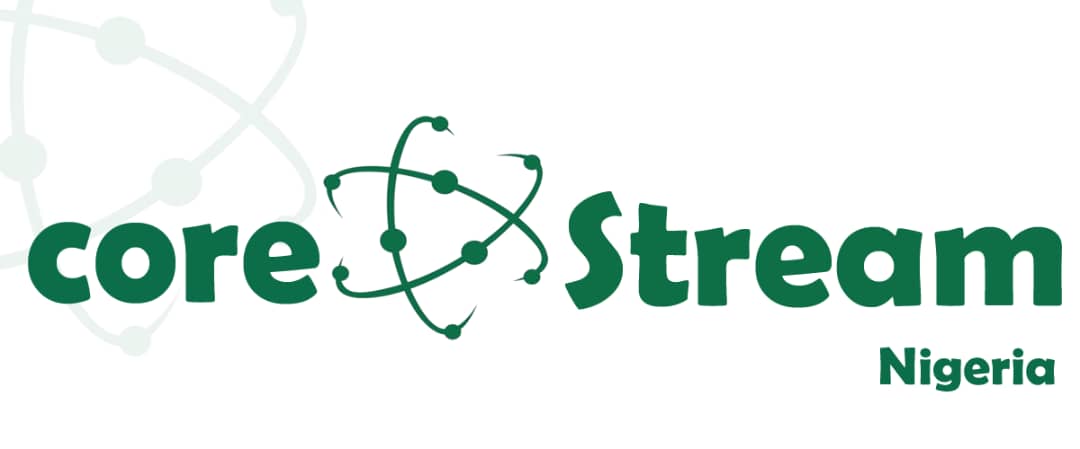
The Federal Government of Nigeria has intensified efforts to eradicate tuberculosis (TB) and other infectious diseases by adopting advanced technology and approving $54 million for the procurement of life-saving drugs, particularly for TB and HIV treatment.
RELATED: Lagos to fully digitalise public healthcare system within nine nonths — Abayomi
The move is aimed at strengthening diagnostics, improving data transparency, and preventing stock-outs of essential medicines across the country.
Government Prioritises TB as a National Health Agenda
Speaking at the 2026 Pre-World Tuberculosis Day briefing in Abuja, organised by Stop TB Partnership Nigeria, the Director of Public Health at the Federal Ministry of Health and Social Welfare, Charles Nzelu, said the government was making significant progress in tackling long-standing health sector challenges.
He noted that under the leadership of Muhammad Pate, tuberculosis has been prioritised as a major pillar of Nigeria’s national health agenda.
Technology Rollout to Close Diagnostic Gaps
As part of the National Strategic Plan for TB (2021–2026), Nzelu said the ministry is deploying innovative technologies to eliminate TB as a public health threat.
A key initiative is the nationwide rollout of the Pluslife Mini Dock diagnostic platform, led by the National Tuberculosis and Leprosy Control Programme (NTBLCP).
“This near point-of-care technology is a game-changer, allowing molecular-grade testing to reach even the most remote communities,” Nzelu said.
According to him, over 1,000 diagnostic devices are being deployed nationwide to ensure equitable access to TB testing regardless of geography.
Strengthening Data Systems and Medicine Supply Chains
Beyond diagnostics, the ministry is also upgrading its electronic reporting systems to enable real-time data flow from health facilities to national dashboards. This digital transparency, Nzelu explained, is critical for effective supply-chain management and preventing shortages of essential medicines.
The $54 million drug procurement approval is expected to stabilise supplies for TB and HIV treatment nationwide.

Advocacy and Domestic Financing Remain Critical
In her remarks, the Board Chair of Stop TB Partnership Nigeria, Queen Ogbuji-Ladipo, highlighted significant milestones achieved in Nigeria’s TB response.
These include the mobilisation of high-level TB champions, stronger collaboration with public and private sector actors, increased advocacy for domestic financing, and expanded public awareness on TB prevention and care.
However, she cautioned that declining donor support and changes in global health financing make domestic resource mobilisation more urgent than ever.
“Sustainable financing from government budgets, private sector contributions, and innovative financing mechanisms will be critical to sustaining TB programmes,” she said.
Global Fund Support Boosts Case Detection
Presenting programme outcomes, the TB Programme Lead at the Institute of Human Virology Nigeria and Global Fund Project, Temitope Adetiba, said Nigeria recorded over 300,000 TB case detections under the Global Fund Grant Cycle 7 for TB and HIV.
He added that more than 3,000 drug-resistant TB cases were identified and linked to care, while over 2.3 million pregnant women were screened for TB and HIV in 2024 and 2025.
Taking TB Services Closer to Communities
Nigeria is increasingly decentralising TB and HIV services to communities, households, and the private sector. According to the Executive Secretary of Stop TB Partnership Nigeria, Mayowa Joel, the 2026 theme, “Yes We Can End TB,” is deliberately action-oriented.
“It challenges all stakeholders to move beyond commitments to practical action—especially through Primary Health Care, where most Nigerians first access health services,” Joel said.
WHO Commends Progress, Flags Remaining Gaps
A representative of the World Health Organization Country Office in Nigeria, Mya Ngom, acknowledged Nigeria’s significant progress in TB response.
He disclosed that Nigeria reported 405,324 TB cases in 2024, up from 106,533 cases in 2018, while 335,003 cases were reported in the first three quarters of 2025.
Ngom projected that 80 percent of Nigeria’s estimated 510,000 TB cases would be detected and notified once the full 2025 report is released. However, he warned that an estimated 175,000 undetected cases remain a major transmission risk.
He also noted that the emergence of multi-drug-resistant TB (MDR-TB) and high HIV prevalence continue to complicate the country’s TB burden.