By
By 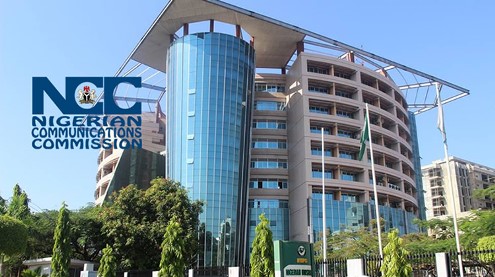
By Osasome C.O
NCC Warns Telecom Operators to Improve Quality of Service or Face Sanctions
The Nigerian Communications Commission (NCC) has issued a strong warning to telecommunications operators across the country. NCC is urging telcos to urgently improve service delivery or risk regulatory sanctions.This follows persistent complaints over poor network quality.
RELATED: Telecoms regulator says quality of service non-negotiable
The telecom regulator’s warning comes amid widespread subscriber dissatisfaction, particularly during and after the Yuletide season.It is the season when network congestion, dropped calls, and slow data speeds significantly worsened across major cities and business hubs.
Data-Driven Report Exposes Network Performance Gaps
To reinforce its position, the NCC released a data-driven network performance report developed in partnership with Ookla, a global leader in network intelligence and performance measurement. The report provides an independent assessment of telecom operators’ performance across Nigeria.
According to the NCC, the report reflects a strategic shift toward data-driven regulation, with quarterly analytics designed to promote transparency, accountability, and informed consumer choice.

Latency and Jitter Undermining User Experience
The report revealed that latency and jitter remain major quality-of-service challenges, particularly affecting real-time digital services such as video conferencing, online payments, streaming, and cloud-based applications.
Globacom was specifically identified as experiencing network performance issues related to high latency and jitter, resulting in degraded user experience for subscribers. Airtel, meanwhile, recorded a performance dip during the sector’s transition toward 5G, with latency identified as an area requiring improvement.
Overall, the report noted that Nigeria’s telecom landscape is becoming increasingly polarised, with some operators achieving measurable performance improvements while others continue to struggle with network consistency and reliability.
Rising Impact on Consumers and Businesses
Persistent poor telecom services continue to have far-reaching consequences for Nigerian consumers and businesses. Subscribers nationwide report frequent dropped calls, failed transactions, unstable internet connections, and prolonged outages—issues that directly affect productivity, commerce, financial services, and digital innovation.
Small and medium-sized enterprises, fintech platforms, remote workers, and online retailers are among the hardest hit, as unreliable connectivity disrupts operations and erodes customer trust.
Root Causes of Poor Telecom Services
Industry stakeholders attribute the ongoing quality challenges to several structural and operational issues, including:
Infrastructure Damage and Vandalism
Telecom operators report an average of over 1,100 fibre cuts weekly, caused mainly by road construction activities and vandalism. These disruptions affect multiple states simultaneously and require costly repairs.
Persistent Power Challenges
Base stations rely heavily on diesel generators due to inconsistent public power supply. Rising energy costs and diesel shortages contribute to frequent service outages and degraded performance.
High Operational Costs and Investment Constraints
Inflation, foreign exchange volatility, and high Right of Way (RoW) charges imposed by state governments continue to strain operators’ finances, limiting investment in network expansion and maintenance.
Network Congestion and Uneven Technology Transition
Heavy data usage in urban centres causes congestion during peak periods, while the ongoing transition to 5G has, in some areas, led to declining 4G performance as resources are reallocated.
Regulatory and Legal Bottlenecks
Operators also cite multiple taxation and poor inter-agency coordination as barriers to sustainable network improvement, despite NCC regulations mandating minimum quality-of-service standards.
Regulatory Response and Consumer Protection Measures
The NCC, in collaboration with the Federal Competition and Consumer Protection Commission (FCCPC), has reiterated its commitment to holding operators accountable. New regulatory measures require telecom companies to notify subscribers of major outages and may mandate compensation for prolonged service disruptions.
The NCC stressed that operators with performance deficits must prioritise investment in network stability, particularly in reducing latency and jitter, to meet Nigeria’s growing digital demands.
Consumers experiencing persistent poor service are encouraged to lodge complaints with their service providers and escalate unresolved issues to the NCC by dialing 622 or emailing [email protected].
Pressure Mounts on Telcos
As Nigeria’s economy becomes increasingly digital, reliable telecom services are no longer optional but essential. The NCC’s latest warning and Ookla-backed report signal growing regulatory pressure on operators to address quality-of-service gaps or face sanctions, as consumers and businesses demand dependable connectivity.