By
By 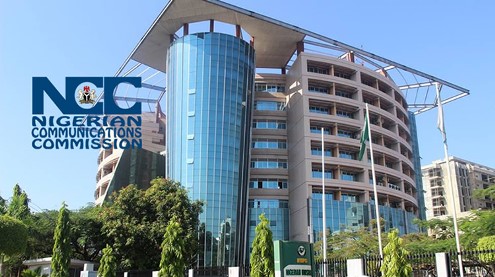
NCC Releases Draft Spectrum Roadmap for 2026–2030
The Nigerian Communications Commission (NCC) has released a draft National Spectrum Roadmap for 2026-2030 to guide strategic spectrum management. This roadmap is complemented by new guidelines that open the critical lower 6GHz and 60GHz spectrum bands for use. The dual initiative is designed to accelerate Nigeria’s broadband expansion, attract telecom investment, create jobs, and fortify the nation’s digital economy.
RELATED: MTN Nigeria secures 10-year renewal of 800MHz spectrum licence to strengthen 4G service delivery
The roadmap was presented this week at a stakeholders’ consultation forum in Abuja. Niegria’s telecoms regulator reaffirmed its commitment to transparent, predictable, and future-ready spectrum regulation.
Driving Transparency and Predictable Regulation
NCC’s Executive Vice Chairman, Dr. Aminu Maida, announced that the roadmap is designed to propel Nigeria’s digital future. The roadmap provides essential regulatory clarity and certainty to attract investors and guide industry stakeholders.
Represented by the Head of Spectrum Administration, Atiku Lawal, Maida explained explained that the new initiative integrates a strategic spectrum roadmap with guidelines to open the lower 6GHz and 60GHz licence-exempt bands. This combined approach aims to significantly enhance the quality of service for broadband across Nigeria.
“Our national ambitions are growing. We want faster speeds, wider coverage, better service quality, stronger innovation and greater inclusion. This roadmap creates a transparent and predictable regulatory environment that supports investment, encourages innovation, expands access and improves service quality for all Nigerians,” Maida said.
Unlocking Capacity for High-Speed Connectivity
According to the NCC, the opening of the lower 6GHz and 60GHz spectrum bands will unlock additional capacity for high-speed, affordable, and reliable broadband connectivity across the country.

Maida described spectrum as the invisible backbone of Nigeria’s digital ecosystem. It powers mobile services, broadband networks, satellite communications, emergency systems, and smart technologies.
“Every video call, online classroom, digital transaction and connected device in Nigeria relies on spectrum,” he noted
Adding that the roadmap is designed to prepare the country for future data demands across homes, campuses, businesses, healthcare facilities, and public spaces.
Ensuring Inclusive Broadband Access
Also speaking at the event, the Executive Commissioner, Technical Services, Abraham Oshadami, emphasized that spectrum resources must be managed to serve every community in Nigeria.
“Today’s engagement reaffirms our commitment to expanding wireless broadband through foresight, fairness and alignment with national development goals,” Oshadami said.
Earlier, Atiku Lawal described the spectrum roadmap as more than a technical document, calling it a strategic blueprint for shaping Nigeria’s digital future.
Industry Stakeholders React
Representing Huawei, Dr. Lola Fafore said the roadmap would stimulate innovation, and boost broadband penetration. It will ultimately make a significant contribution to Nigeria’s Gross Domestic Product (GDP).
The two-day stakeholders’ forum is expected to deliberate extensively on spectrum initiatives. All of which will define Nigeria’s digital trajectory over the next decade.