By
By 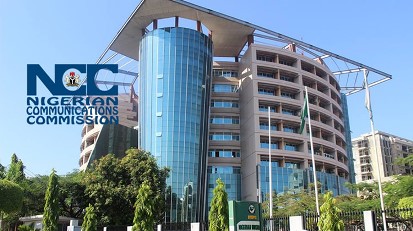
By Osasome C.O
Diesel shortage cripples telecoms in Abuja, threatens national network stability
Telecommunications services across Abuja and other parts of Nigeria have come under severe strain following widespread diesel supply disruptions, prompting regulatory intervention by the Nigerian Communications Commission (NCC) to stabilise network operations and protect service quality.
RELATED: ALTON warns of possible telecom service disruptions as diesel supply blockade threatens 16,000 cell sites in Nigeria
The disruptions, which have affected mobile and data services, are linked to challenges in diesel supply caused by ongoing actions of the National Oil and Gas Suppliers Association (NOGASA), impacting the ability of operators to power base stations nationwide.
Diesel Shortage Cripples Base Station Operations
Industry sources confirm that the diesel supply disruption has particularly affected facilities managed by IHS Nigeria Limited. IHS is a colocation infrastructure provider responsible for powering a significant number of MTN and Airtel base stations in Abuja and other locations.
With base stations largely dependent on diesel-powered generators due to grid instability, the shortage has resulted in intermittent outages, degraded service quality, and heightened risk of network downtime.

Power-related expenses already account for an estimated 20–40% of telecom operators’ operating costs, with diesel prices hovering around ₦1,000 per litre, further compounding financial pressures on operators.
NCC Takes Proactive Regulatory Action
In an official statement, the NCC confirmed it is actively engaging all affected stakeholders to resolve the crisis and restore normal service delivery.
According to the statement signed by Mrs. Nnenna Ukoha, Head, Public Affairs, NCC, the Commission is taking “proactive steps to facilitate dialogue between the impacted service providers and other stakeholders to promptly resolve the diesel supply concerns that have negatively impacted service quality.”
The NCC emphasised that it is working closely with operators, infrastructure providers, and relevant industry bodies to ensure a coordinated and sustainable resolution.
Festive Traffic Surge Worsens Network Pressure
The diesel supply challenge comes at a time of increased network traffic associated with the festive season. December is when voice and data usage traditionally spikes. Analysts warn that the combination of power shortages and traffic overload is stretching network capacity. All of these are contributing to deteriorating quality of service nationwide.
Telecom Infrastructure Classified as Critical National Asset
Operators have reiterated that telecommunications infrastructure is designated as a Critical National Asset, warning that prolonged disruptions could result in widespread service blackouts if power supply challenges persist.
Industry stakeholders caution that beyond consumer inconvenience, continued outages pose risks to:
- Emergency response services
- Business operations and digital commerce
- Financial services and national productivity
Subscribers Bear the Brunt
Subscribers, particularly in Abuja, have reported:
- Dropped calls
- Slow data speeds
- Unstable network connections
Businesses and essential services that rely on seamless connectivity have also been affected, raising concerns about broader economic and social implications.
Regulatory Balance and Long-Term Solutions
The NCC’s intervention underscores its mandate to balance consumer protection, industry sustainability, and infrastructure resilience. Analysts say the situation reinforces the need for:
- More reliable power alternatives for telecom sites
- Stronger coordination between energy and telecom regulators
- Long-term investment in hybrid and renewable energy solutions for critical digital infrastructure
The industry looks to the NCC’s leadership to ensure stability, prevent future disruptions, and safeguard Nigeria’s digital economy, one telecom said in Abuja.
“This crisis underscores the urgent need for sustainable power solutions for the telecoms sector, including accelerated adoption of hybrid power systems and renewable energy,” he added.