By
By 
By Nana Theresa Timothy and Anna Emmah
NCC Mandates Consumer Compensation for Service Failures
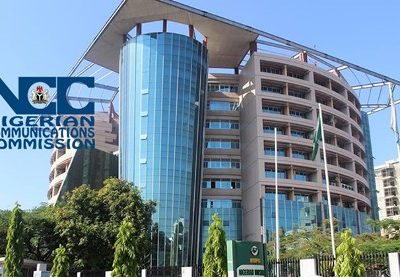
The Nigerian Communications Commission (NCC) has directed Mobile Network Operators (MNOs) to compensate subscribers who experience network quality below approved standards within specific locations. It emphasized that consumers should not bear the full impact of service disruptions when operators fail to meet prescribed Quality of Service (QoS) benchmarks.
RELATED: NCC warns telcos over poor quality of service as network failures disrupt businesses, consumers
This directive comes as telecom service quality remains a major concern in Nigeria in 2026. There are persistent complaints over dropped calls. slow internet speeds, and inconsistent network coverage across urban and rural areas.
Airtime Credits to Replace Traditional Penalties
Under the new consumer-centric framework, operators that breach QoS Key Performance Indicators (KPIs) will be required to compensate affected subscribers directly. Compensation will be issued as airtime credits, calculated based on users’ average spending patterns and their presence within Local Government Areas where service failures are recorded during specific timeframes.
The NCC noted that while financial penalties remain in place as a deterrent. The focus is shifting toward measures that deliver immediate relief and fairness to subscribers.

Up to ₦12.4bn in Fines as NCC Tightens Enforcement
In addition to consumer compensation, the Commission has imposed penalties estimated at up to ₦12.4 billion on major operators, including MTN and Airtel, over sustained service quality failures. Industry reports also indicate uneven performance across operators, with 9mobile lagging in national QoS indicators despite gradual improvements by others in 4G and 5G deployment.
Tower Companies Also Targeted for Infrastructure Investment
Beyond MNOs, the NCC is extending enforcement to Tower Companies that own critical telecom infrastructure such as masts. The Commission has directed that funds recovered from fines be reinvested into infrastructure upgrades with measurable performance outcomes, alongside additional financial sanctions where necessary.
This approach aims to strengthen the entire value chain responsible for service delivery and network resilience.
Why Telecom Quality of Service Remains a Challenge
Despite regulatory interventions, several structural issues continue to undermine service quality nationwide:
- Infrastructure and Power Deficits: Frequent power outages force reliance on diesel generators, increasing downtime at base stations.
- Vandalism and Security Risks: Destruction and theft of telecom equipment disrupt services in many regions.
- Network Congestion: High subscriber density in cities such as Lagos and Abuja strains existing capacity.
- Regulatory and Right-of-Way Delays: Approval bottlenecks and inconsistent policies slow infrastructure expansion.
NCC Reaffirms Commitment to Nigeria’s Digital Future
The Commission reiterated that telecommunications services underpin economic productivity, social interaction, and access to digital opportunities. Poor service quality, it warned, directly affects business efficiency, public confidence, and Nigeria’s broader digital transformation agenda.
Going forward, the NCC said it will intensify QoS monitoring, and enforce performance standards. The telecoms regulator will deploy regulatory tools that promote transparency, accountability, and sustained investment. This will ensure subscribers receive reliable service while supporting a resilient telecom industry capable of powering Nigeria’s digital future.