By
By 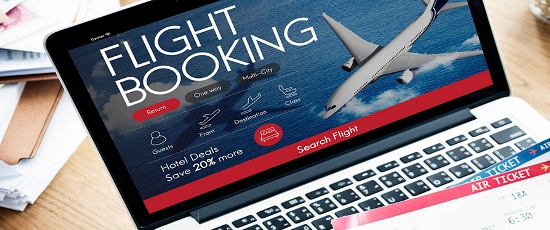
NCAA Reinforces Accessibility Rules for Air Travel
The Nigerian Civil Aviation Authority (NCAA) has directed all domestic airlines operating in Nigeria to incorporate mandatory special needs assistance options into their ticket reservation platforms, in a move aimed at strengthening inclusive and accessible air travel.
RELATED: Sightsavers partners DBI to empower 50 PWDs with ICT training in Kano, Lagos
The directive was disclosed in a statement issued in Abuja on Friday by Mr Michael Achimugu, Director of Public Affairs and Consumer Protection at the NCAA.
Mandatory Special Needs Feature on Booking Platforms
According to Achimugu, airlines are required to provide a dedicated field on their ticket reservation systems where passengers can request assistance or notify airlines of special needs before completing ticket purchases.
The NCAA recalled an earlier directive dated April 13, 2022 (Reference No. NCAA/CPD/585/1/22), which instructed domestic airlines to conspicuously display a mandatory box, field, or column on online ticketing platforms to cater to Persons with Reduced Mobility (PRMs) and other passengers requiring assistance.

Backed by Nigeria Civil Aviation Regulations 2023
The requirement is further reinforced by Nigeria Civil Aviation Regulations (Nig. CARs) 2023, Part 19.12.3.1, which mandate airlines, travel agents, and tour operators to:
- Provide travellers the opportunity to request assistance at the point of booking across all ticket sales channels, including online and telephone reservations;
- Include a mandatory designated field on ticket portals for passengers with disabilities or their assistants to request special needs support;
- Actively enquire whether any passenger within a booking party may require assistance at the airport or during flight operations.
Achimugu emphasised that passengers must be able to make such requests before finalising ticket purchases.
Seven-Day Compliance Deadline for Airlines
The NCAA has given airlines seven days from receipt of the directive to comply, warning that non-compliance will attract regulatory enforcement actions in line with existing aviation regulations.
“The NCAA remains committed to ensuring inclusive, accessible, and safe air travel for all passengers,” Achimugu stated.
Why Inclusive Air Travel Matters
According to the United Nations, over one billion people—about 15 per cent of the global population—live with a disability, a figure expected to rise due to ageing populations and increasing chronic health conditions.
The Airports Council International notes that identifying and removing barriers for Passengers with Reduced Mobility (PRMs) is essential for transport providers.

Inclusive air travel requires well-designed infrastructure and services, including barrier-free access, ramps, tactile paving, assisted boarding and disembarkation, high-visibility screens, trained personnel, and evacuation plans that fully accommodate people with disabilities.