By
By 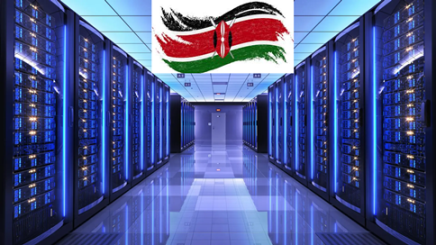
By John Syekei, Head of IP and Technology and Partner, Ariana Issaias, Director and Stephanie Mulului Associate, Bowmans Kenya
The Communications Authority of Kenya (Authority) has published its Revised Telecommunications Market Structure (Revised Structure), updating the Unified Licensing Framework that has been in force since October 2021.
RELATED: Kenya’s data‑centre dilemma: Makers, takers and the future of the Silicon Savannah
The Revised Structure introduces several notable refinements to Kenya’s telecommunications regulatory landscape. Of particular interest to the technology, infrastructure, and investment community is the formal recognition and regulation of commercial data centres within the telecommunications licensing ecosystem.
This development reflects the growing strategic importance of digital infrastructure in Kenya’s economy, including cloud services, colocation facilities, hyperscale investments, and regional data traffic hubs.
Background: The position under the 2021 market structure
Under the 2021 Telecommunications Market Structure, the Authority organised the licensing framework into broad market segments, including:

- National network facilities providers (across multiple tiers);
- International network facilities providers;
- Community networks and service providers; and
-
Terminal equipment providers.
While this framework supported a wide range of communications activities, it did not expressly address data centres. As a result, entities seeking to establish or operate commercial data centres were required to engage directly with the Authority on a case‑by‑case basis to determine how their activities aligned with the existing framework resulting in an uncertain operational climate.
Data centres under the revised market structure
The Revised Structure expressly incorporates data centres into the telecommunications market framework. This is a significant policy signal, confirming that commercial data centre operations are now viewed as part of Kenya’s regulated communications infrastructure landscape.
Rather than introducing an entirely new standalone category, the Authority has embedded data centres within the existing infrastructure framework, aligning them with network‑oriented activities.
The Revised Structure clarifies how data centre operations fit within the tiered infrastructure ecosystem and confirms, in express terms, how they are accommodated alongside traditional network deployment activities. The Revised Structure also draws a distinction for data centres intended for large-scale deployment and those intended for micro‑network deployment or community communications.
Why this matters
The express inclusion of data centres delivers several important outcomes for the sector:

- Regulatory certainty: Market participants now have clearer visibility on how data centre operations are treated within Kenya’s telecommunications framework.
- Policy alignment: The Revised Structure aligns licensing policy with Kenya’s broader digital economy ambitions, including cloud adoption, regional connectivity, fintech, and data‑driven services.
- Investment confidence: For investors and developers, the formal recognition of data centres reduces regulatory ambiguity and supports long‑term infrastructure planning.
-
Market expansion opportunities: Existing infrastructure players may find new opportunities to expand into data centre services as part of their broader network strategies.
Looking ahead
Kenya continues to position itself as a regional digital and connectivity hub. By formally recognising data centres within its telecommunications market structure, the Authority has taken an important step towards modernising its regulatory framework to reflect evolving technologies and commercial realities.
Market participants, technology companies and investors with an interest in data centre development or digital infrastructure should familiarise themselves with the Revised Structure and consider how these changes may affect operational models, partnerships, and future investments.