By
By 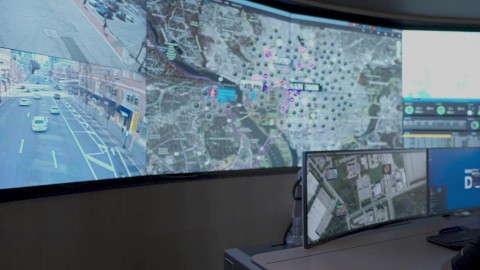
Africa Embraces Modern, Connected Security Infrastructure
Genetec Inc. a global leader in enterprise physical security software, has released new insights from its 2026 State of Physical Security survey, revealing a clear shift across Africa toward modern, connected, and unified security infrastructure.
RELATED: HID redefines physical and digital security integration with new service platform
The findings highlight rising demand for integrated platforms that deliver a single operational environment—bringing together video surveillance, access control, analytics, and cybersecurity within one cohesive system.
Growing Demand for Unified Security Platforms
Based on responses from more than 180 physical security professionals across Africa, the survey shows organisations are increasingly moving away from siloed technologies. Instead, they are prioritising unified security systems that improve visibility, streamline operations, and enhance decision-making.


Globally, more than 70% of organisations now operate unified or integrated security systems, reflecting a broader transformation toward consolidated platforms that support operational efficiency and resilience.
South Africa Leads the Shift to Data-Driven Security
In markets such as South Africa, where surveillance infrastructure is already widely deployed across sectors including retail, mining, financial services, and transportation, the focus is evolving beyond basic monitoring.
Organisations are increasingly adopting intelligent, data-driven security platforms that not only protect assets and people but also support broader operational and business decision-making.

Quintin Roberts
“Organizations across South Africa are rethinking how security systems fit into their broader digital environments. Unified platforms allow teams to move away from reactive monitoring and toward security operations that deliver real-time insight, stronger control, and closer alignment with IT,” said Quintin Roberts, Regional Sales Manager at Genetec Inc.
Integration and IT Alignment Drive System Upgrades
Modernisation is accelerating across Africa as organisations replace legacy security infrastructure. Around 60% of survey respondents cited the need to integrate new technologies as the primary driver for upgrading existing systems—underscoring the importance of interoperability and scalability.
Notably, 73% of African end users reported that IT departments now receive physical security data, significantly higher than the global average of 52%. This signals stronger alignment between IT and physical security teams as digital infrastructure expands.
However, many organisations still operate fragmented systems, creating challenges around real-time monitoring, integration, and scalability.

Connected Security Systems Heighten Cybersecurity Risks
As Africa rapidly adopts connected devices such as IP cameras and smart access control systems, cybersecurity has become a top priority. The expanding digital attack surface is driving closer collaboration between IT and security teams to manage risks effectively.
Interest in AI-driven analytics has more than doubled among African end users, with organisations increasingly leveraging automation to enhance monitoring, improve incident response, and generate actionable intelligence.
“Unified security systems are no longer just about consolidation. They are becoming a foundation for how organizations across Africa manage risk, resilience, and operational complexity as digital transformation accelerates,” Roberts added.
Skills Gaps and Deployment Challenges Persist
Despite clear progress, challenges remain across Africa’s emerging markets. Skills shortages in cybersecurity, cloud infrastructure, and data analytics continue to slow adoption, while supply chain constraints impact deployment timelines.
The report notes that 38% of respondents in Africa identified training and upskilling as a key challenge—nearly double the 21% EMEA average—highlighting a widening skills gap that organisations must address to fully realise the benefits of unified security systems.
Physical Security Evolves into a Strategic Business Function
Overall, the findings reinforce the evolution of physical security from a reactive function into a strategic business enabler—one that supports operational resilience, strengthens decision-making, and contributes to long-term growth across Africa’s rapidly digitising economies.
Survey Methodology
The 2026 State of Physical Security Report is based on insights from more than 7,300 physical security professionals worldwide, including end users, channel partners, consultants, and manufacturers.