By
By 
Key Insights
- AI and automation have made holiday scams smarter and harder to detect.
- Over 33,500 Christmas-themed phishing emails and over 10,000 holiday season-themed social media advertisements flagged in just 14 days.
- Fake retail sites and social media giveaways are surging globally.
- Learn practical tips to spot scams and protect your holiday shopping.
Why Christmas Scams Are More Dangerous in 2025
As the season of giving unfolds, cybercriminals are taking advantage of holiday stress and the rush. In 2025, scams are not only more common, they’re powered by AI and automation, making them harder to spot. Researchers at Check Point detected 33,502 Christmas-themed phishing emails in the past two weeks alone, along with more than 10,000 fake advertisements being created daily on social media channels. Many mimic festive promotions, while others push fake Walmart or Home Depot deals, fraudulent charity appeals, and urgent delivery notices.
Tip: Always verify deals on official retailer websites and avoid clicking on suspicious links.
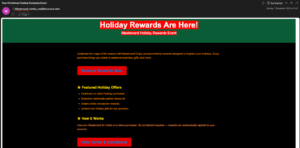
Image 1: Holiday reward lure using a spoofed display name to impersonate Mastercard. email example

The Top 3 Christmas Scams of 2025
- AI-Enhanced Delivery Phishing (SMS & WhatsApp)
This is the most successful holiday scam worldwide. AI-generated smishing messages mimic alerts from logistics giants like Royal Mail, FedEx, UPS, and DPD. Clicking the link leads to credential theft or payment fraud.
- AI-generated delivery scams doubled this season, with a 100% spike in November–December compared to last year.
- Victims receive realistic “missed parcel” texts with links to cloned sites.
- Fake Retail Sites with AI-Powered Chatbots
Threat actors now create entire e-commerce stores offering fake “Christmas mega deals.” These sites often include AI-driven chat assistants to simulate real customer service.
- Holiday-themed retail scam domains surged from Black Friday through December.
- Some fake stores feature working checkout carts, email confirmations, and bogus tracking pages.

Image 2: Fake pages impersonating worldwide brands, seemingly offering legitimate holiday season sales
- Social Media Giveaway & Holiday Promotion Scams
Fake giveaways flood Facebook, Instagram, and TikTok, cloning brand pages and claiming victims have “won a Christmas prize.” They then request a small “shipping fee.”
- Most giveaway scams originate from accounts created within the last 90 days.
- Platforms have issued multiple warnings as these scams spike during the holidays.

Image 3: Social Media promoting fake Home Depot websites for the holiday season
How to Spot the Red Flags
- Spoofed URLs: Look for typos or suspicious domains.
- Unusual payment requests: Gift cards, crypto, or bank transfers = scam.
- Missing customer support: No phone, no address, only generic email.
- New or inactive social accounts: Real giveaways don’t come from blank pages.
- Emotional triggers: Messages like “You’ve won a Christmas giveaway!” or “Your parcel is held, pay $xx to avoid delays” are designed to create urgency.
- Brand impersonation: Scammers misuse major retailers’ names (e.g., Walmart, Home Depot) to make fake holiday rewards seem legitimate.
- Name–address mismatch: If the display name shows a trusted brand but the sender address or link domain is unrelated, it’s almost certainly a scam.
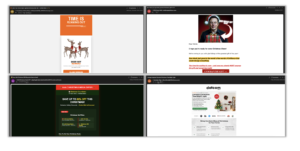
Image 4: Several examples of suspicious emails showing urgency as a scam tactic
Image 2: Email example Urgent brand name lure spoofing a Home Depot Christmas offershow urgency used as a scam tactic
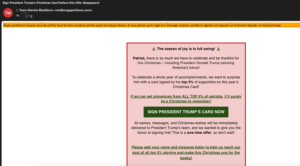
Image 5: Politics- based lure using patriotic messaging to solicit engagement. Email example show urgency used as a scam tactic
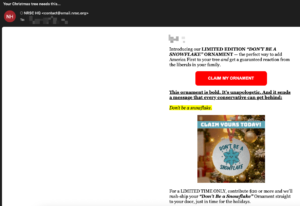
Image 6: Email example show urgency used as a scam tactic
How Scammers Are Targeting You This Christmas
Holiday scams are spreading across SMS, email, social media, and even search ads. The FBI recently reminded everyone to stay vigilant.
What’s Different This Year?
- AI-written phishing emails mimic real brands flawlessly.
- Entire fake e-commerce sites spun up with AI chatbots and checkout pages.
- Deepfake voices and AI-powered call scripts make phone scams emotional weapons.
- Automated infrastructure creates thousands of scam messages and domains at scale.
Check Point Recommendations: How to Stay Safe
- Go directly to official websites—avoid clicking unexpected links.
- Be cautious of urgent messages, prize claims, or unfamiliar calls.
- Never share personal or financial information unless you initiated the contact.
- If it sounds too good to be true, it probably is.