By
By 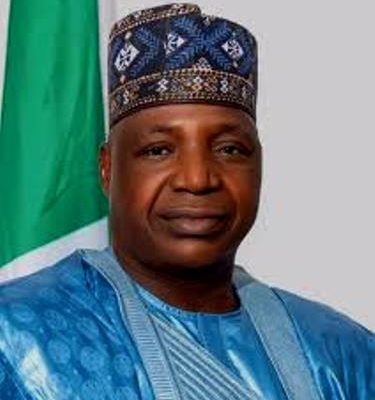
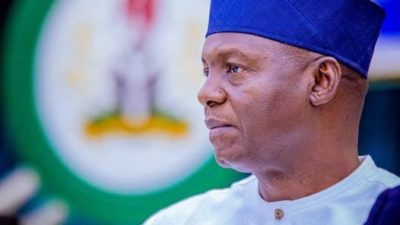
In an exclusive interview with Nana Theresa Timothy of ITEdgeNews Africa, Engineer Nadungu Gagare, Permanent Secretary of the Federal Ministry of Communications, Innovation and Digital Economy, shared deep insights on the ongoing National Council meeting, the Ministry’s strategic direction, and the broader national agenda for inclusive digital transformation. Speaking on behalf of the Minister of Communications, Dr. Bosun Tijani. Engineer Gagare reflected on the progress made so far, the significance of digital policies, and the responsibility government holds in extending ICT access to all Nigerians.
How would you describe this year’s Council meeting overall?
This year’s Council meeting has been very great. We began activities on Monday, and everything has proceeded smoothly and seamlessly. There have been no hitches at all. In fact, we have achieved everything we were expected to achieve up to today. The deliberations have been productive, and the level of cooperation among stakeholders has been encouraging. By the grace of God, we expect to conclude the Council successfully later today. Overall, it has been a very, very good meeting.
RELATED: Nigeria charts digital future at 13th NCCIDE in Jos, focusing on inclusion and infrastructure
This year’s theme places heavy emphasis on accelerating inclusive digital transformation. In that context, how important is policy in bridging digital gaps across the country?
Bridging the gaps is one of the most important priorities for us as a ministry. When we talk about gaps, we are referring to communities and regions that are underserved or completely unserved. These are areas where people do not yet have access to basic digital tools or ICT infrastructure. Policy plays a critical role in addressing this. Policies are what guide government decisions, resource allocation, and the implementation of programmes aimed at expanding digital access. When we draft policies, we ensure that they provide a framework that compels us to extend services to those who need them the most. So, for areas without ICT presence, we make policies that mandate inclusion, expansion, and equitable distribution of services. That is what bridging the digital gap truly means.

In practical terms, what does bridging the gap look like from the Ministry’s perspective?
From our perspective, bridging the gap is not just about the availability of ICT services but also about accessibility, affordability, and usability. It means people in rural and hard-to-reach communities should have the same opportunities as those in urban environments. It means a farmer in a remote village should be able to access digital platforms for weather information, market prices, or financial services. It means a student in an underserved region should be able to learn online, access digital libraries, and participate in the digital economy without limitations. So, our policies aim to expand broadband coverage, promote digital literacy, support innovation hubs, and encourage partnerships that extend digital infrastructure nationwide.
Has the Council provided useful insights toward improving these strategies?
Absolutely. The Council brings together commissioners, directors, agency heads, policymakers, and stakeholders from across the states. This diversity gives us a holistic perspective. Each participant brings knowledge about challenges and opportunities in their regions. When we discuss issues collectively, we identify areas where our policies need strengthening, updating, or realignment. This year’s discussions have been particularly rich. State governments have shared experiences on digital adoption, ICT education, and challenges relating to infrastructure. By the end of the Council, we usually adopt resolutions that guide our activities for the coming year. These resolutions help us shape national direction and ensure no region is left behind.
Looking at the enthusiasm and progress at the meeting, what message would you send to Nigerians who expect tangible outcomes from these discussions?
My message is that Nigerians should remain hopeful and expectant. This Council is not a mere gathering; it is a serious working platform where important national decisions are shaped. Everything we discuss here goes into improving the digital landscape of the country. Our commitment as a Ministry is to ensure implementation.
Nigerians will continue to see improved access, better ICT services, increased digital literacy programmes, and policies that support innovation, job creation, and digital inclusion. We are focused and dedicated.
I want to take this opportunity to extend our profound appreciation to the good people of Plateau State for hosting this Council meeting. We thank the Governor, His Excellency, the number one citizen of the state, for his support and commitment. We also appreciate the traditional council of the state for their hospitality and cooperation. The entire people of Plateau State have been exceptional hosts, and we are truly grateful for the warmth and support they have shown to all delegates throughout this period.