By
By 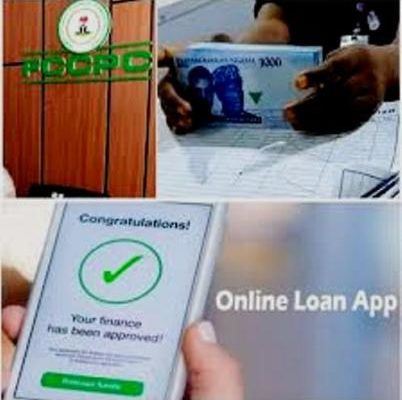
By Osasome C.O
FCCPC Begins Enforcement of New Digital Lending Rules
Nigeria’s digital lending ecosystem is entering a decisive phase as the Federal Competition and Consumer Protection Commission (FCCPC) begins phased enforcement actions against Digital Money Lending (DML) operators that failed to regularise their operations under the Digital, Electronic, Online and Non-Traditional Consumer Lending Regulations, 2025 (DEON Regulations).
RELATED: Nigeria cleans up digital lending space as FCCPC, CBN approve over 430 loan apps in 2026
The compliance deadline expired on January 5, 2026, and according to the FCCPC, operators that ignored the deadline now face sanctions designed to restore order and trust in a sector that has grown rapidly. But often recklessly.
In a statement issued on Wednesday, Ondaje Ijagwu, Director of Corporate Affairs at the FCCPC, said the enforcement exercise is aimed at providing regulatory certainty and rebuilding consumer confidence in Nigeria’s fast-expanding digital credit market.
Why Enforcement Matters for Consumers
For millions of Nigerians, loan apps have become a last resort in times of financial distress. But weak enforcement in the past allowed predatory lenders to flourish, exposing consumers to serious harm.
Without strict regulation, borrowers have faced:
- Public shaming and harassment, including defamatory messages sent to family, friends and employers
- Illegal access to personal data, such as contact lists and photo galleries
- Crippling interest rates and hidden fees, trapping users in cycles of debt
- Psychological distress, job losses and reputational damage
FCCPC’s latest enforcement push is intended to stop these abuses before they become further entrenched.
FCCPC: Why the Crackdown Is Necessary
Speaking on the enforcement action, FCCPC Executive Vice Chairman and CEO, Tunji Bello, said the measures are critical to giving full effect to the new regulations and protecting consumers from exploitative lending practices.
The Commission says non-enforcement would effectively reward bad actors, undermine compliant lenders, and normalise unethical behaviour in Nigeria’s financial services space.
Key Drivers Behind the FCCPC Crackdown
The FCCPC identified several systemic failures that made intervention unavoidable:

Failure to Regularise Operations
Many digital lenders failed to register or complete status regularisation as required under the DEON Regulations, 2025, even after multiple extensions.
Consumer Harassment and Defamation
Unregulated lenders routinely deployed “loan shark” tactics—threats, bullying, and defamatory messages—to recover debts, often over relatively small loan amounts.
Data Privacy Violations
Numerous loan apps unlawfully accessed sensitive personal data to intimidate borrowers. The Nigeria Data Protection Commission (NDPC) has reportedly investigated over 400 data-privacy breach cases linked to digital lenders.
Exploitative Loan Terms
Hidden charges, unclear repayment terms, and excessive interest rates lured borrowers into unsustainable financial obligations.
Unchecked App Proliferation
Some operators ran dozens of loan apps under different names to evade oversight. Under the new rules, each lender is now limited to a maximum of five apps.
Enforcement Tools and Sanctions
To clean up the sector, the FCCPC is deploying a range of penalties:
- Removal from the FCCPC Digital Lending Register, stripping defaulting lenders of approved status
- Administrative fines of up to ₦100 million or 1% of annual turnover
- Disqualification of company directors for up to five years
- Collaboration with Google and Apple to remove illegal or predatory loan apps from app stores
These measures are designed not just to punish offenders, but to deter future abuses.
The Cost of Non-Enforcement
Consumer advocates warn that failing to enforce the new regulations would leave Nigerians vulnerable to digital financial exploitation at scale.
Without action:
- Personal data abuse would continue unchecked
- Trust in digital finance would erode
- Legitimate fintech lenders would be crowded out by rogue operators
- Financial inclusion efforts could suffer long-term damage
The FCCPC’s intervention, therefore, is as much about consumer safety as it is about market integrity.
What Consumers Should Do
The FCCPC has advised Nigerians to:
- Use only lenders listed on the FCCPC Digital Lending Register
- Avoid loan apps that demand access to contacts, photos or messages
- Report harassment, threats or data abuse to [email protected]
A Turning Point for Digital Lending in Nigeria
The phased enforcement marks a critical turning point for Nigeria’s digital lending industry. If sustained, it could transform loan apps from instruments of exploitation into legitimate tools for financial inclusion. And at the same time, help in ensuring that consumer protection, not convenience, remains the foundation of digital credit.