By
By 
By Osasome C.O
AI and Energy: A Strategic Imperative for Nigeria’s Digital Economy
Industry experts have identified artificial intelligence (AI) as a critical tool for managing Nigeria’s fast-growing data centre ecosystem, particularly as operators grapple with persistent national grid collapses and rising energy costs.
RELATED: Kasi Cloud set to launch Nigeria’s first AI-ready hyperscale data centre in April 2026
Stakeholders across Nigeria’s energy and digital infrastructure sectors are increasingly calling for the adoption of AI-driven energy alternatives to stabilise power supply and support the country’s digital economy ambitions.
According to industry leaders, AI-enabled Distributed Energy Resources (DER) platforms offer round-the-clock reliability while delivering measurable social and economic impact. These solutions are seen as essential for balancing the energy-intensive workloads associated with modern data centres.
Nigeria’s 2026 push for AI-ready data centres hinges on local compute to drive digital growth. But industry executives warn: unreliable power and a talent shortage could sink the ambition.
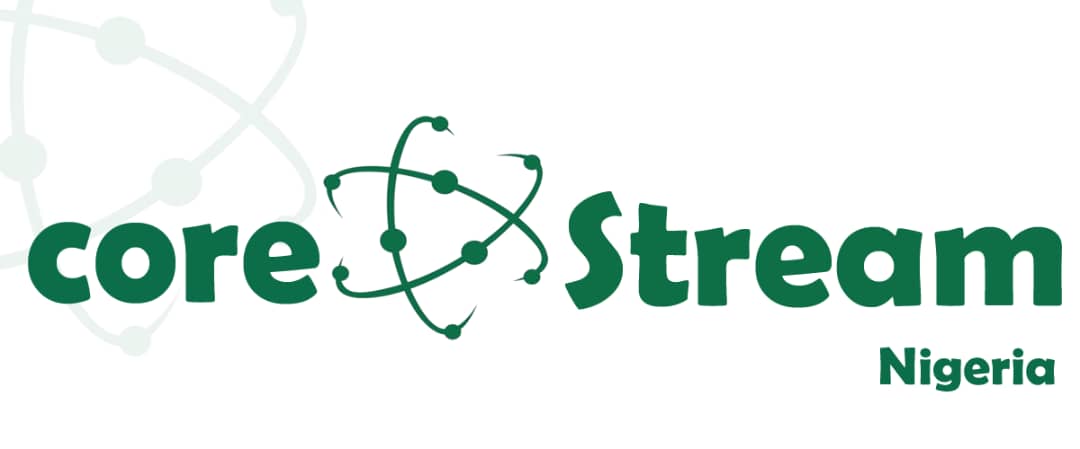
AI: Both Power Consumer and Energy Optimiser
Experts, including technology leaders from Schneider Electric, note that Nigeria’s data centres face a dual challenge: supporting the explosive growth of AI workloads while integrating renewable energy into daily operations.
AI-ready facilities are increasingly dominated by high-density GPU servers, which consume five to ten times more power than traditional systems. Training racks can draw between 100 and 140 kilowatts each, creating unpredictable and concentrated energy demand that existing grid infrastructure cannot reliably support.
Key Insights on AI and Data Centres in Nigeria
- AI as an Energy Manager: Integrated AI enables smart scheduling, allowing energy-intensive training tasks to run during off-peak periods or when renewable power is available, reducing grid stress.
- Persistent Grid Weakness: Frequent grid collapses continue to force data centres to rely heavily on diesel generators—an expensive and environmentally unsustainable option.
- Rising Power Density: Nigeria’s data centres are rapidly adopting AI-ready infrastructure, intensifying energy demand per rack.
- Shift to Independent Power: Experts advise operators to reduce dependence on the public grid by collocating near generation sources or integrating AI with gas, solar, and hybrid renewable solutions.
- Cooling Efficiency Urgency: AI is increasingly vital for managing advanced cooling systems, including liquid cooling, to prevent overheating during power fluctuations.
Digital Sovereignty and Global AI Growth
Industry stakeholders stress that AI adoption is no longer optional but a “fundamental step toward digital sovereignty” for Nigeria—enabling local data hosting, securing national data, and mitigating the risks of unreliable power infrastructure.
Global projections underscore the urgency. Bloomberg estimates the generative AI market could reach $1.3 trillion by 2032, while PwC projects AI could add $15.7 trillion to the global economy by 2030. In Nigeria, AI workloads are expected to consume a significant share of installed data centre capacity as the digital economy expands.
Renewable Energy and AI: Lessons from the Field
At the Future Energy Leaders Awards (FELAS) 2026, organised by Enersider Markets Media, HUSK Power Nigeria emerged as a strong example of how stable, technology-driven renewable energy can support digital infrastructure and local economies.

Speaking at the event, Country Director Olu Aruike, who also serves as Vice President, Business Development, West Africa, said dependable energy systems enable livelihoods, boost small businesses, and drive climate-positive development across Africa and Asia.
“As a tech-forward organisation leveraging AI, we remain committed to deploying solar and storage solutions that deliver round-the-clock power, scalability, and long-term value,” Aruike said.
He noted that such solutions are critical to addressing Africa’s estimated 600 million energy access deficit.
Smarter Energy Management Over More Power
Experts agree that simply increasing power supply is not a viable solution for Nigeria. Instead, intelligent energy management is emerging as the sustainable path forward. Predictive algorithms now allow data centre operators to forecast energy spikes, dynamically adjust loads, and protect grid stability.
Smart scheduling ensures AI workloads run when renewable energy is abundant, lowering operating costs and emissions. Cooling systems—traditionally among the most energy-intensive components—are also being transformed through AI-driven optimisation.
Advanced Cooling and Resilient Infrastructure
To address the thermal challenges of AI workloads, Schneider Electric has expanded its liquid cooling solutions, designed specifically for high-density, AI-driven environments. Closed-loop systems reduce water usage and improve operational continuity in resource-constrained regions.
“Building for AI in Nigeria requires resilience and scalability,” said Ajibola Akindele, Country President, Schneider Electric Anglophone Africa. “By integrating liquid cooling and collaborative reference designs, data centres can support next-generation processors while contributing to a greener ecosystem.”
The Road Ahead: AI for Energy, Energy for AI
Integrating grid supply with on-site renewable generation and battery storage is increasingly seen as essential for resilience. Schneider Electric’s Looming Power Crunch report highlights the need for closer collaboration between data centres and utilities, aligning new facilities with microgrids that balance sustainability and reliability.
As Nigeria’s digital infrastructure expands, AI-ready data centres are expected to evolve into partners of the power grid, using flexible operations to balance demand. Circular thinking—prioritising efficiency, reuse, and adaptability—will define the next generation of infrastructure, aligning energy for AI with AI for energy.