By

By IT Edge News.Africa
The Federal Government has announced plans to provide Nigerian students with 100 megabytes (MB) of free internet data every day from October 1, 2026, in a major initiative aimed at reducing the cost of digital education and expanding access to online learning.
RELATED: Why schools are prime targets: New data confirms education as the #1 most breached industry
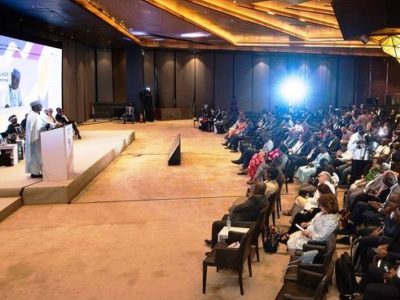
Minister of Education, Dr. Tunji Alausa, announced the commencement date on Thursday in Abuja during the unveiling of the Initiative for Zero-Rated Access to Educational Platforms and Content in Nigeria.
The programme, known as the Zero-Rated Access Initiative, is being implemented by the Nigerian Communications Commission (NCC) in partnership with the Federal Ministry of Education and major telecommunications operators.
“Let me let out the secret. This will be made available to Nigerian students from October 1st, 2026,” Alausa said.
The initiative will initially target students in public senior secondary schools and public tertiary institutions, with the government planning to extend the scheme to other categories of learners as implementation expands.
Free 100MB Data Targeted at Educational Content
Under the programme, eligible students will receive a daily 100MB data allowance to access government-approved educational websites, learning platforms and digital content without paying the normal data charges.
The allowance, however, will not constitute unrestricted free internet access.
Instead, the zero-rated data will apply only to educational platforms and websites that have been reviewed and placed on an approved digital allowlist.
According to NCC Director of Policy, Competition and Economic Analysis, Ayuba Shuaibu, eligible platforms could include learning management systems, digital libraries, educational repositories, teacher-development platforms, as well as technical and vocational training resources.
The model is designed to ensure that the benefit is directed specifically towards learning while creating a more affordable pathway for students to use smartphones, tablets and computers as digital classrooms.
MTN, Airtel, Globacom Support Rollout
Major telecommunications operators, including MTN Nigeria, Airtel Nigeria and Globacom, are expected to participate in the implementation of the programme.
NCC Executive Commissioner for Technical Services, Abraham Oshadami, identified the three operators among the major companies supporting the initiative.
Participating operators will provide the daily zero-rated access to eligible learners connecting to approved educational platforms.
The framework also requires participating telecommunications companies and digital platforms to comply with applicable regulations covering cybersecurity, consumer protection, child protection and data protection.
The NCC said the initiative would also incorporate safeguards around net neutrality, fair competition and inclusivity.
Telecom Operators Face Significant Financial Commitment
The scale of the programme could represent a substantial financial commitment for participating telecommunications companies.
Early reports indicate that the initiative could cost operators an estimated ₦180 billion annually, underscoring the potentially significant role of the private sector in financing Nigeria’s digital education ambitions.
The programme therefore represents not only an education policy intervention but also a major public-private partnership around digital access.
FG Links High Data Costs to Digital Education Gap
The Federal Government said the initiative is being introduced against the backdrop of persistent affordability and connectivity challenges that prevent many Nigerian students from fully participating in digital learning.
Alausa said the cost of internet access remains a significant barrier, particularly for learners from low-income households.
He argued that eliminating data charges for approved educational platforms could transform existing consumer devices into accessible learning tools.
“Our ambition must be that, ultimately, no Nigerian learner should be denied access to quality educational content simply because they cannot afford data,” the minister said.
NCC Executive Commissioner for Stakeholder Management, Rimini Makama, similarly highlighted the affordability challenge confronting millions of students.
She said the initiative is intended to narrow the digital divide between learners who can afford online educational resources and those whose household incomes prevent them from accessing such services consistently.
Zero-Rating Could Expand Nigeria’s Digital Learning Ecosystem
Beyond providing students with free access, the initiative could create a stronger market for Nigeria’s digital education ecosystem by encouraging the development and adoption of locally relevant learning platforms.
The proposed allowlist could bring together digital libraries, learning management systems, educational repositories, vocational training platforms and teacher-development resources within a more accessible national digital education framework.
For education technology providers, inclusion in the approved ecosystem could also increase the reach and usage of their platforms among millions of Nigerian learners.
Government Moves to Strengthen Online Child Protection
Alongside the free-data initiative, Alausa disclosed that the Federal Government is working on measures to regulate internet access for children below the age of 16.
The minister did not provide details of the proposed regulatory framework but said further announcements would be made.
He stressed that digital educational content accessible to children must be appropriate, credible and safe, while remaining aligned with Nigeria’s curriculum and broader educational objectives.
The proposed measures point to a broader government effort to balance increased digital access with concerns around online safety, child protection and the quality of information available to young learners.
Digital Education Infrastructure Gets Wider Push
The 100MB daily data programme forms part of a broader government digital education agenda that includes the Nigeria Education Data Infrastructure, Digital Nigeria Education Management Information System (NDEMIS) and the Learner Identification Number.
Alausa said more than 240,000 schools across Nigeria have already been geo-mapped and geolocated.
The government is also digitising the Annual School Census, which is expected to improve the collection and management of information on school enrolment, teachers, classrooms, laboratories, libraries, internet connectivity and school safety.
These initiatives are intended to provide government with more reliable education-sector data while supporting evidence-based planning and digital transformation.
Communications Ministry Backs Free Education Data Initiative
The Minister of Communications, Innovation and Digital Economy, Bosun Tijani, represented at the event by the Director of the National Frequency Management Council Secretariat, Adetunji Adeyemo, described the programme as an important step towards expanding affordable digital access.
The Federal Government’s approach effectively places telecommunications infrastructure and digital connectivity at the centre of its education strategy.
With implementation scheduled to begin on October 1, 2026, the success of the initiative will depend on effective student eligibility mechanisms, broad participation by telecom operators, a sufficiently useful range of approved educational platforms and sustained regulatory oversight.
If successfully implemented, the Zero-Rated Access Initiative could become a significant component of Nigeria’s digital inclusion strategy by reducing one of the most persistent barriers to online education: the cost of accessing the internet.