By

By IT Edge News.Africa
The Association of Licensed Telecommunications Operators of Nigeria (ALTON) has thrown its weight behind the Federal Government’s Zero-Rated Access to Educational Platforms and Content Programme, describing the initiative as a significant step towards expanding digital learning opportunities and strengthening Nigeria’s knowledge-driven digital economy.
RELATED: Nigeria to give students 100MB free daily data from October 1
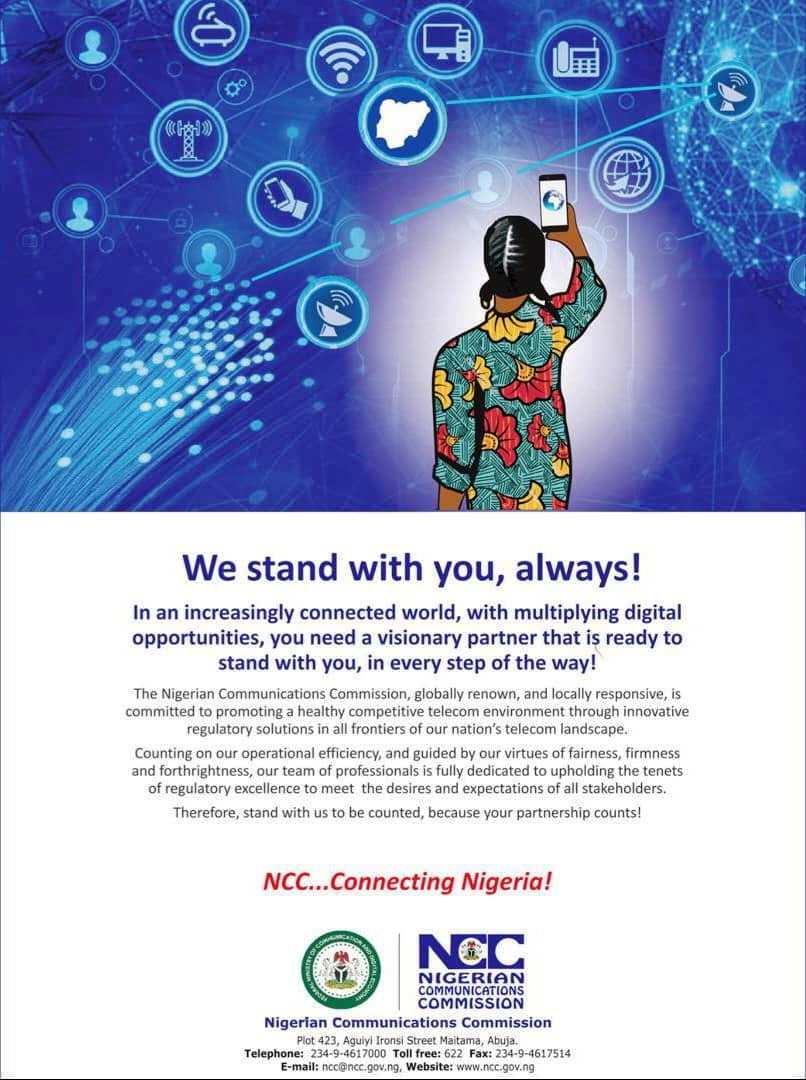
The programme is being implemented through collaboration among the Federal Government, the Nigerian Communications Commission (NCC), the Federal Ministry of Education and participating telecommunications operators.


ALSO READ: Free internet access should be a basic human right – study
ALTON said the initiative demonstrates what can be achieved when government, regulators and the telecommunications industry work together to address national development challenges through digital infrastructure.
ALTON: Education Must Become More Accessible Online
In a joint statement, ALTON Chairman Gbenga Adebayo and Publicity Secretary Damian Udeh said affordable access to educational content has become increasingly important as learning, research and skills development move deeper into digital platforms.
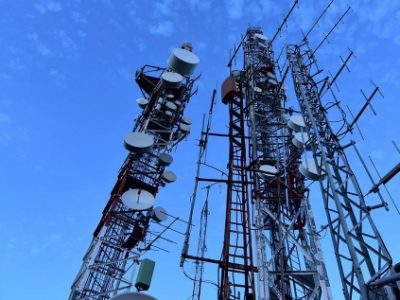
The association noted that telecommunications networks now serve a purpose far beyond basic communication, providing the infrastructure through which Nigerians can access education, healthcare, entrepreneurship, innovation and other economic opportunities.
“As education increasingly moves into digital spaces, ensuring affordable access to educational resources becomes critical to national development,” the ALTON leaders said.
They argued that reducing the cost of accessing educational resources could help address some of the barriers preventing students, teachers and other learners from participating fully in the digital learning ecosystem.
100MB Daily Allocation to Support Educational Access
Under the Zero-Rated Educational Access Programme, subscribers will be able to access approved educational platforms without incurring data charges, supported by an initial daily allocation of 100MB for educational use.
The initiative is expected to support a range of activities, including teaching, learning, examination preparation and research.
For students and other learners who depend heavily on mobile connectivity, the programme could provide an important opportunity to access digital educational resources without the additional burden of regular data costs.

ALTON said the intervention is particularly relevant to the broader national objectives of human capital development, digital literacy and inclusive access to opportunities.
ALTON Wants Success Measured by Learning Outcomes
While welcoming the programme, ALTON stressed that its success should not be judged simply by the amount of data consumed by subscribers.
“We believe the ultimate success of the initiative should be measured not merely by the volume of data consumed, but by its impact on learning outcomes, educational participation, digital literacy and the opportunities it creates for Nigerians to acquire knowledge and skills,” Adebayo and Udeh said.
The position shifts the focus from connectivity itself to what connectivity enables.
For the telecommunications industry, this distinction is important because the long-term value of digital infrastructure ultimately depends on how effectively it translates into improved opportunities and measurable social and economic outcomes.
From Free Data to Human Capital Development
The programme is positioned as part of a broader effort to use telecommunications infrastructure to strengthen Nigeria’s human capital.
By lowering the cost of accessing educational content, the initiative could enable more students, teachers and learners to participate in digital education regardless of their location or socioeconomic circumstances.
ALTON said investments that expand educational access can ultimately contribute to the development of a more skilled and productive workforce.
“A more skilled, productive and competitive workforce” would, in turn, strengthen Nigeria’s long-term economic prospects, the association argued.
Telecom Infrastructure as an Engine of Social Development
ALTON said the educational access initiative demonstrates how telecommunications infrastructure can be deployed to create social value beyond conventional connectivity.
Digital networks increasingly underpin learning, commerce, innovation, healthcare delivery and other forms of economic participation.
The association therefore sees the partnership between government, regulators and operators as a model that could be applied to other national development priorities.
“Investing in education is investing in Nigeria’s future, and we are proud to support an initiative that helps make that future more accessible to all,” the ALTON leaders said.
Industry Pledges Support for Implementation
ALTON said it remains committed to supporting the successful implementation of the programme and working with stakeholders to expand access to quality educational resources.
The association specifically commended the Federal Government, NCC, Federal Ministry of Education, Federal Ministry of Communications, Innovation and Digital Economy, participating telecommunications operators and other stakeholders involved in delivering the initiative.
According to ALTON, the programme demonstrates the potential of a partnership-based approach to addressing national development challenges.
Nigeria’s Digital Education Push
The Zero-Rated Access to Educational Platforms and Content Programme comes against the backdrop of Nigeria’s increasing reliance on digital technologies for education, skills acquisition and knowledge sharing.
For millions of learners, mobile connectivity is increasingly becoming an essential gateway to educational materials and opportunities. However, the cost of data remains an important consideration for sustained digital participation.
By removing data charges from approved educational platforms and providing an initial daily educational data allocation, the programme seeks to reduce one of those barriers.
Its longer-term significance, however, will depend on whether increased digital access translates into stronger participation, better learning outcomes, higher digital literacy and greater acquisition of skills.
For ALTON, that is the real measure of success—and potentially one of the clearest ways telecommunications infrastructure can contribute to Nigeria’s future economic competitiveness.